
Venezuela To Ship Up To 50 Million Barrels To The US
Venezuela is set to export crude oil worth up to $2 billion to the United States under a new arrangement with Washington, signalling a shift in energy trade flows after years of sanctions. The move could modestly raise Venezuelan output and alter global oil supply dynamics, though structural challenges remain.
- Republic Business
- 2 min read

;'%3e%3cpath%20d='m8,15.99c4.41,0,7.99-3.58,7.99-7.99S12.41,0,8,0,0,3.59,0,8s3.58,7.99,7.99,7.99Z'%20style='stroke:%23fff;%20stroke-miterlimit:10;%20stroke-width:.02px;'/%3e%3cpath%20d='m3.08,3.37l3.82,5.11-3.84,4.15h.87l3.37-3.64,2.72,3.64h2.94l-4.04-5.39,3.58-3.87h-.86l-3.1,3.35-2.5-3.35h-2.94Zm1.27.64h1.35l5.97,7.99h-1.35l-5.97-7.99Z'%20style='fill:%23fff;'/%3e%3c/g%3e%3c/svg%3e)


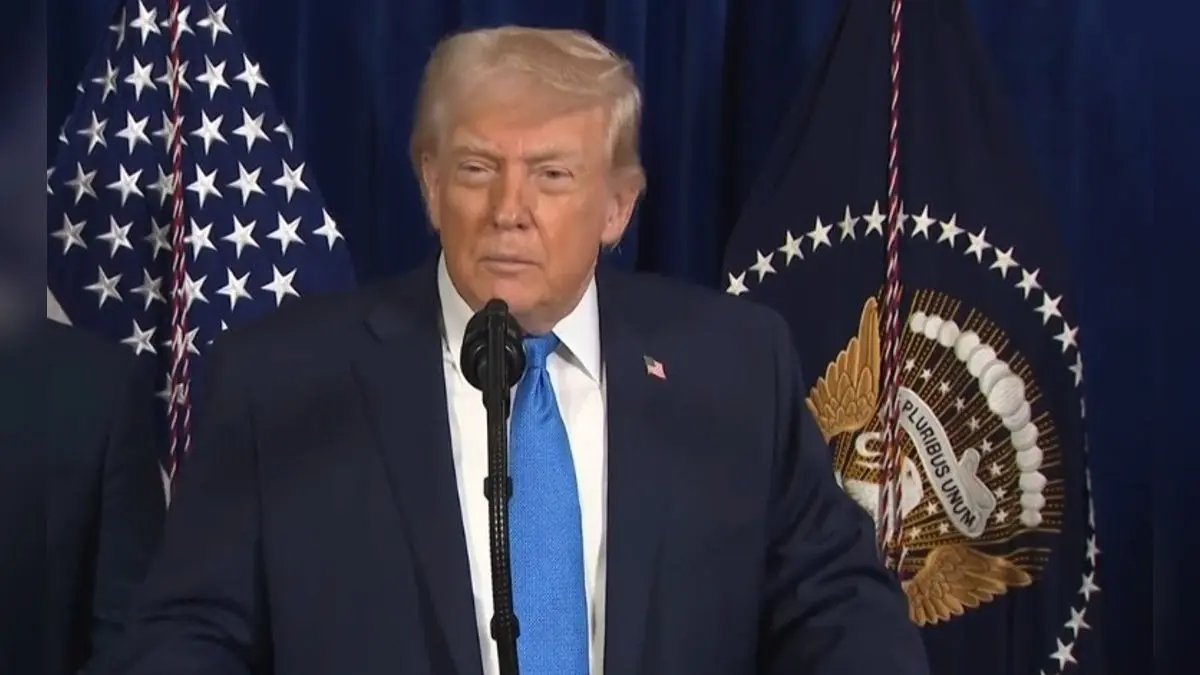
Venezuela will export crude oil valued up to $2 billion to the United States following a new agreement with Washington. This marks a notable reset in bilateral energy ties after years of strained relations and trade restrictions.
The arrangement allows Venezuelan crude, estimated at 30 to 50 million barrels, to be supplied to US buyers at market-linked prices. The exports are expected to take place over the coming months, under Energy Secretary Chris Wright.
U.S. Interior Secretary Doug Burgum said on Tuesday that an increased flow of Venezuelan heavy oil to the U.S. Gulf would be "great news" for job security, future gasoline prices in the U.S. and for Venezuela.
"Venezuela has an opportunity now to actually have capital come in and rebuild their economy and take advantage," he told Fox News, when asked about talks between the governments on oil exports. “With American technology, American partnership, Venezuela can be transformed.”
Advertisement
Chevron Expected to Play Key Role
US energy major Chevron, which operates in Venezuela under a special licence, is expected to facilitate shipments under the deal. The company has maintained limited operations in the country despite sanctions, allowing it to ramp up exports more quickly than other players.
Revenue generated from the oil sales will be subject to oversight mechanisms, reflecting Washington’s continued monitoring of Venezuela’s oil income amid political uncertainty.
Advertisement
Impact on Global Oil Markets Likely Limited
While the deal could incrementally increase Venezuelan supply, Julian Popov, an energy and policy expert and former minister of Bulgaria, noted in an interview with ANI that the country’s oil infrastructure remains severely underinvested, limiting any rapid production surge. Global crude markets are currently well supplied, which has kept prices relatively stable despite geopolitical developments.
Venezuela’s exports have largely been directed to China in recent years. The US deal may redirect some cargoes, reshaping trade routes without materially tightening or loosening global supply in the near term.
Long-Term Questions Remain
Despite holding the world’s largest proven oil reserves, Venezuela continues to face operational, financial, and political hurdles. Any sustained recovery in production will depend on capital inflows, infrastructure repairs, and clarity on future governance.
For now, the agreement represents a tactical step rather than a full normalisation of Venezuela’s oil trade.
-With inputs from Reuters