
What Are E22, E25, E27 And E30 Fuels That Centre Just Exempted From Excise duty
The centre zeroed out on central excise duty, special additional excise duty, Road and Infrastructure Cess, and Agriculture Infrastructure and Development Cess on petrol blended with 22%, 25%, 27%, and 30% ethanol, respectively.
- Republic Business
- 2 min read

;'%3e%3cpath%20d='m8,15.99c4.41,0,7.99-3.58,7.99-7.99S12.41,0,8,0,0,3.59,0,8s3.58,7.99,7.99,7.99Z'%20style='stroke:%23fff;%20stroke-miterlimit:10;%20stroke-width:.02px;'/%3e%3cpath%20d='m3.08,3.37l3.82,5.11-3.84,4.15h.87l3.37-3.64,2.72,3.64h2.94l-4.04-5.39,3.58-3.87h-.86l-3.1,3.35-2.5-3.35h-2.94Zm1.27.64h1.35l5.97,7.99h-1.35l-5.97-7.99Z'%20style='fill:%23fff;'/%3e%3c/g%3e%3c/svg%3e)


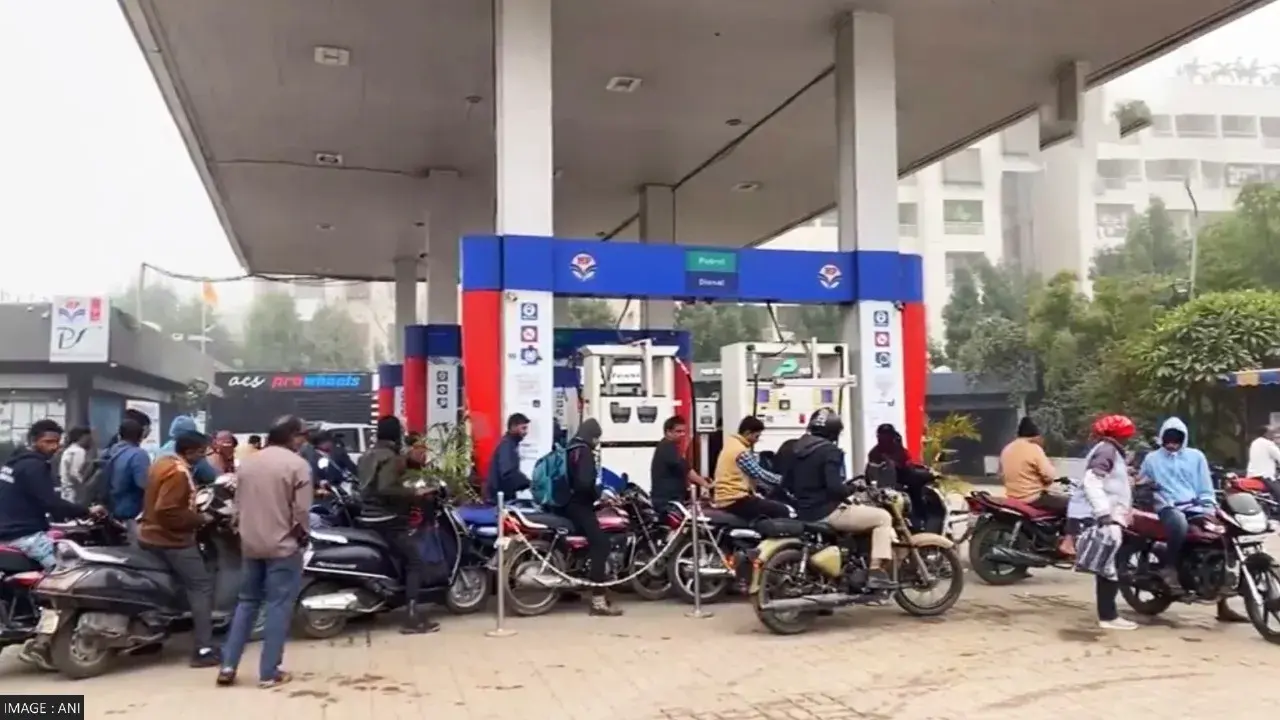
In a push to reduce the burden of rising crude oil prices, the central government has exempted ethanol blended petrol from the entire excise duty leviable on it, according to notifications issued by the Ministry of Finance's Department of Revenue.
The centre zeroed out on central excise duty, special additional excise duty, Road and Infrastructure Cess, and Agriculture Infrastructure and Development Cess on petrol blended with 22%, 25%, 27%, and 30% ethanol, respectively.
This excise duty free move was earlier only applicable to lower-blend fuels, however their amendment allows OMCs to improve the economics of high-blend ethanol fuel, while allowing India to meet its goal of 30% ethanol blending in petrol.
All You Need To Know About High Ethanol Blended Petrol Fuels
As per the notification under the Ministry of Finance. E22 will contain 78 per cent motor spirit and 22 per cent ethanol, E25 will consist of 75 per cent motor spirit and 25 per cent ethanol, E27 will have 73 per cent petrol and 27 per cent ethanol, while E30 will contain 70 per cent petrol blended with 30 per cent ethanol.
Advertisement
Moreover, Ethanol-blended petrol is considered a cleaner, renewable fuel option that reduces emissions also supports better engine performance when used correctly, according to Nayara Energy's official site.
A key consideration is ethanol-blended petrol mileage. Ethanol has slightly lower energy content than petrol, so vehicles not built specifically for higher ethanol blends may see a small drop in mileage — usually around over 4% for E22. However, its higher octane level, ethanol can reduce knocking and improve combustion efficiency.
Advertisement
Sugar Stocks In Focus
This fuel price update is expected to bring sugar companies such as Balrampur Chini Mills, Shree Renuka Sugars, Dhampur Sugar Mills and Triveni Engineering into focus.
All these companies have invested heavily in distillery capacity and stand to benefit from ethanol offtake demand, especially now that oil marketing companies have a better incentive to push higher-blend fuels.
India has been targeting 30% ethanol blending in petrol as part of its energy transition roadmap, however, actual blending levels have remained well below that threshold.