
ICC Unveils Post-Pregnancy Return-to-Play Framework for Women Cricketers, Backed by New “6 Rs” Roadmap
ICC unveils six‑stage post‑pregnancy return‑to‑play guidelines for women cricketers, adding childcare support and flexible training to protect player welfare.

;'%3e%3cpath%20d='m8,15.99c4.41,0,7.99-3.58,7.99-7.99S12.41,0,8,0,0,3.59,0,8s3.58,7.99,7.99,7.99Z'%20style='stroke:%23fff;%20stroke-miterlimit:10;%20stroke-width:.02px;'/%3e%3cpath%20d='m3.08,3.37l3.82,5.11-3.84,4.15h.87l3.37-3.64,2.72,3.64h2.94l-4.04-5.39,3.58-3.87h-.86l-3.1,3.35-2.5-3.35h-2.94Zm1.27.64h1.35l5.97,7.99h-1.35l-5.97-7.99Z'%20style='fill:%23fff;'/%3e%3c/g%3e%3c/svg%3e)


The International Cricket Council (ICC) has introduced comprehensive post-pregnancy return-to-play guidelines for women cricketers, creating a formal framework designed to help players safely resume international cricket after childbirth while balancing the demands of motherhood.
The new policy marks one of the ICC’s most significant steps toward strengthening player welfare in the rapidly evolving women’s game, where growing professionalism, central contracts and longer careers are leading more athletes to start families while remaining active competitors.
At the heart of the framework is a six-stage pathway- Ready, Review, Restore, Recondition, Return and Refine - aimed at guiding players from the immediate postpartum period through to full competitive readiness.
The early “Ready” phase focuses on recovery during the first six weeks after childbirth, including pelvic floor rehabilitation and psychological adjustment. This is followed by the “Review” stage, typically conducted six to eight weeks postpartum, where players undergo comprehensive assessments involving obstetricians, women’s health physiotherapists, team doctors, strength and conditioning specialists, dieticians and psychologists.
Advertisement
The subsequent “Restore” and “Recondition” phases gradually reintroduce physical training and cricket-specific workloads before players progress to the “Return” stage and eventually the long-term “Refine” phase, which monitors fatigue, injury risk, musculoskeletal health and overall wellbeing.
The guidelines were developed under the guidance of Dr Philippa Inge, Australian team doctor and member of the ICC Medical Advisory Committee. Beyond medical recommendations, the framework also encourages boards to adopt practical support measures, including flexible training schedules, access to childcare, designated nursing and feeding areas at venues, and travel assistance for players touring with infants and caregivers.
Advertisement
“The ICC’s Return to Play Post-Pregnancy Guidelines are designed to show players that having a baby doesn’t need to be the end of their career,” Dr Inge said. She noted that many cricket boards previously lacked formal pregnancy policies and stressed that return-to-play decisions should be tailored to individual players and their families rather than applied through a rigid template.
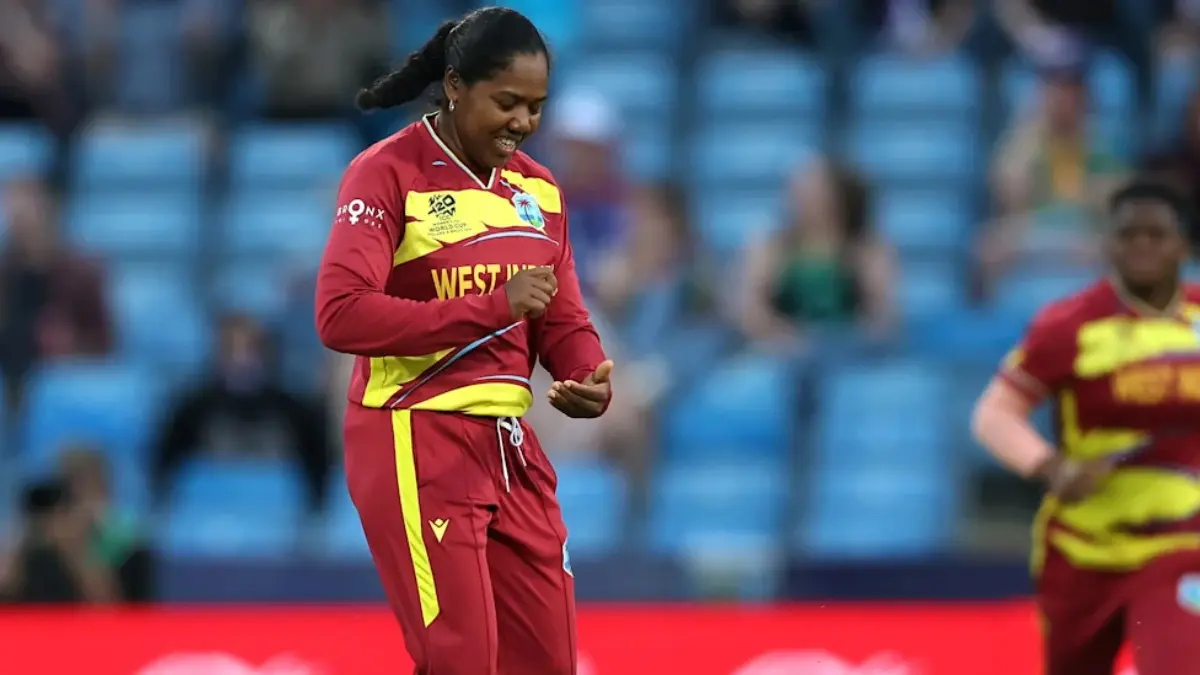
The initiative has been welcomed by players who have navigated motherhood while maintaining international careers. Afy Fletcher, currently representing the West Indies at the ICC Women’s World Cup 2026, described her own return after giving birth in 2021 as both physically and emotionally challenging.
Fletcher said the most difficult aspect was being separated from her child during cricket commitments, adding that the new guidelines provide women with a clearer pathway to pursue motherhood without sacrificing their international ambitions.
ICC Chairman Jay Shah said the framework reflects cricket’s commitment to ensuring that no player is forced to choose between motherhood and representing her country.
He said the guidelines are intended to create a more informed and supportive environment across the sport, helping protect player welfare, retain experienced talent and strengthen pathways for future generations of women cricketers.
The document also recommends a structured governance model for member boards. Under the proposal, each player would be assigned a dedicated case manager, typically a doctor or physiotherapist to coordinate support throughout pregnancy and recovery. Regular check-ins are recommended at key milestones, including pregnancy disclosure, the third trimester, six to eight weeks postpartum and throughout the player’s reintegration into training.
Importantly, the guidelines emphasise that decisions regarding pregnancy announcements and timelines for returning to cricket should remain with the player, in consultation with her medical team, rather than being dictated by cricket boards.
On the medical front, the ICC acknowledges that research on elite athletes training during pregnancy remains limited. However, the document states that exercise during pregnancy is generally safe and beneficial while highlighting cricket-specific considerations, including the risk of abdominal trauma from balls or on-field collisions as pregnancy progresses.
The framework also draws attention to travel-related challenges such as infectious disease exposure, blood-clot risks and access to medical care while touring. While not imposing a mandatory cut-off, it recommends that players consider stepping away from competitive cricket by the end of the first trimester, with final decisions left to the athlete and her healthcare providers.
The ICC described the guidelines as a foundational model that can be adapted by individual boards according to local laws and player needs, underscoring the governing body’s broader effort to ensure the continued growth and sustainability of women’s cricket worldwide.