
Dos And Don'ts Posters, First Aid Kits, Proper Hydration: UP Govt Outlines Strict Heatwave Safety Measures For Schools
Teachers will integrate heatwave safety education into the daily school experience, utilizing morning assemblies, classroom instruction, and co-curricular activities to teach students essential protective measures.
- Education News
- 4 min read

;'%3e%3cpath%20d='m8,15.99c4.41,0,7.99-3.58,7.99-7.99S12.41,0,8,0,0,3.59,0,8s3.58,7.99,7.99,7.99Z'%20style='stroke:%23fff;%20stroke-miterlimit:10;%20stroke-width:.02px;'/%3e%3cpath%20d='m3.08,3.37l3.82,5.11-3.84,4.15h.87l3.37-3.64,2.72,3.64h2.94l-4.04-5.39,3.58-3.87h-.86l-3.1,3.35-2.5-3.35h-2.94Zm1.27.64h1.35l5.97,7.99h-1.35l-5.97-7.99Z'%20style='fill:%23fff;'/%3e%3c/g%3e%3c/svg%3e)


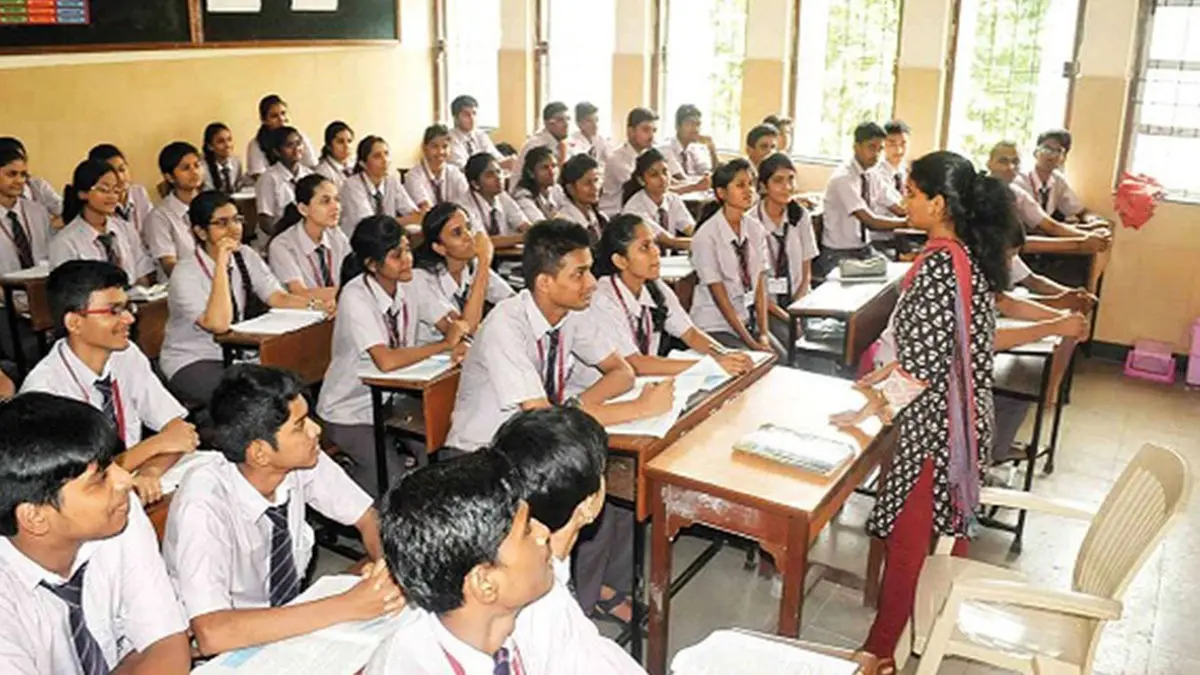
New Delhi: To mitigate the impact of heatwaves, the Uttar Pradesh government has introduced the ‘Teachers’ Guideline-2026.’
This directive mandates that educators educate students on heat-related risks, recognise early symptoms of heat stress, administer basic first aid, and execute comprehensive heat action plans within their schools to ensure student safety.
Notably, the Basic Education Department issued the ‘Teachers’ Guideline-2026 for Sensitising Students Towards Heat-related Illnesses’.
Dos and don'ts' posters
Developed under the guidance of Additional Chief Secretary for Basic and Secondary Education, Parth Sarathi Sen Sharma, these guidelines aim to empower teachers with the expertise to recognize heat-related emergencies- such as heat exhaustion and stroke- while providing them with the practical skills needed to administer first aid and effectively safeguard students from extreme temperatures.
Advertisement
Furthermore, the UP government stated that it will display 'dos and don'ts' posters throughout schools to educate students, parents, and the broader school community, ensuring that extreme heat does not compromise children’s health, education, or daily campus life.
The guideline clearly states that teachers will be the most important link in ensuring students’ safety from heat waves.
Advertisement
Heatwave safety education
Teachers will integrate heatwave safety education into the daily school experience, utilizing morning assemblies, classroom instruction, and co-curricular activities to teach students essential protective measures.
Students will be instructed on key safety practices, such as maintaining proper hydration, staying out of direct sunlight, wearing lightweight cotton clothing, and eating water-rich fruits. They will also be taught how to identify the early warning signs of heat stroke and the importance of immediately alerting a teacher if a classmate begins to feel unwell.
School Heat Action Plan
Under the directives of the Yogi Adityanath government, every school must now establish a dedicated Heat Action Plan and appoint a health nodal teacher to oversee heat-related safety.
The policy mandates orientation programs for the entire school community, while essential emergency information and helplines will be displayed prominently on campus.
Schools are required to maintain fully equipped first aid kits, including ORS and digital thermometers, and must have clear protocols for contacting emergency services like the 108 ambulance.
Furthermore, school hours will adhere to government mandates, with all outdoor activities- such as assemblies and sports- restricted to before 10 a.m. During periods of orange or red heatwave alerts, all strenuous physical activities will be strictly suspended.
Constant water supply
Schools must ensure a constant supply of clean and safe drinking water, while actively encouraging students to stay hydrated by drinking water every 20 to 30 minutes.
Schools are also directed to improve infrastructure by ensuring functional fans, proper ventilation, and access to shaded, well-planted areas, alongside encouraging the use of cool roofs and reflective paint.
Students are advised to wear light-coloured cotton clothing, use hats or umbrellas, and consume seasonal, water-rich produce like watermelon, muskmelon, and cucumber. Conversely, they should avoid caffeinated, sugary, or carbonated drinks, and enjoy mid-day meals in clean, shaded environments.
Contacting Ambulance
In the event of symptoms such as intense thirst, dizziness, muscle cramps, vomiting, or confusion, staff must immediately move the student to a cool, shaded area, provide first aid and cold compresses, and contact the 108 ambulance or local health services if necessary.
Extra vigilance is required for students with pre-existing conditions like asthma, diabetes, heart disease, obesity, or recent illnesses. Finally, parents are urged to ensure their children are well-hydrated before leaving for school, keep unwell children at home, and reinforce these heat-safety measures within the household.
Schools are also required to maintain detailed records of any heat-related incidents and conduct periodic reviews of their safety protocols. They must remain vigilant by monitoring official alerts from the India Meteorological Department and hold regular mock drills to ensure preparedness, according to the official statement.