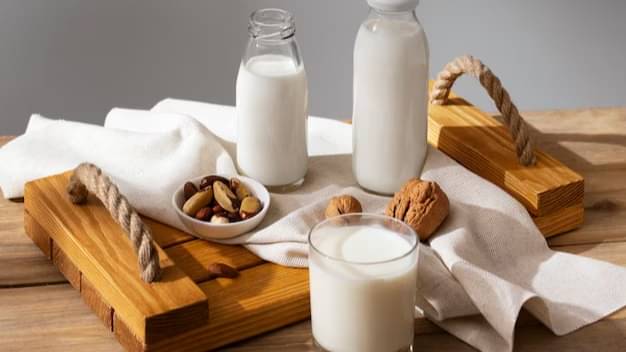
Lactose, a sugar found in milk and milk products, is typically broken down by lactase in the small intestine, but many lack this enzyme. Image: Freepik
2/7
|
|
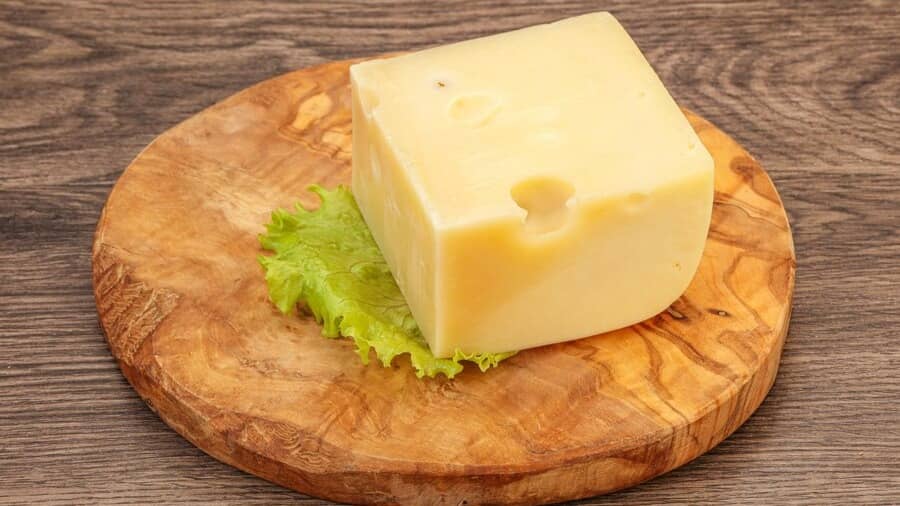
Cheese, like fresh, soft, and processed types, has high lactose content, making it a food to avoid or limit for those with lactose intolerance Image: Freepik
Advertisement
3/7
|
|
Ice cream typically contains 3-6% lactose, making it a complicated food for individuals with lactose intolerance. Image: Freepik
4/7
|
|
Buttermilk's acidic nature may aid digestion for some with lactose intolerance, but many still experience upset stomach, diarrhoea, and gas due to its lactose content. Image: cookieandkate
Advertisement
5/7
|
|
Chocolate milk contains lactose, potentially causing symptoms in those with lactose intolerance, but lactose-free or non-dairy alternatives can be suitable substitutes. Image: Freepik
6/7
|
|
Pancakes typically contain lactose from milk or buttermilk, making them a high-risk food for those with lactose intolerance, but lactose-free or non-dairy alternatives are available. Image: Freepik
7/7
|
|
Some potato mixes may contain lactose due to added ingredients like milk powder, butter, or cheese, making them a potential issue for those with lactose intolerance.
Image: Freepik



;'%3e%3cpath%20d='m8,15.99c4.41,0,7.99-3.58,7.99-7.99S12.41,0,8,0,0,3.59,0,8s3.58,7.99,7.99,7.99Z'%20style='stroke:%23fff;%20stroke-miterlimit:10;%20stroke-width:.02px;'/%3e%3cpath%20d='m3.08,3.37l3.82,5.11-3.84,4.15h.87l3.37-3.64,2.72,3.64h2.94l-4.04-5.39,3.58-3.87h-.86l-3.1,3.35-2.5-3.35h-2.94Zm1.27.64h1.35l5.97,7.99h-1.35l-5.97-7.99Z'%20style='fill:%23fff;'/%3e%3c/g%3e%3c/svg%3e)