
3 Children Gone In Days: Gujarat's Brain-Eating Chandipura Virus Scare Explained
Gujarat is battling a Chandipura virus outbreak after three children died in Panchmahal and Sabarkantha districts. Health teams are spraying homes, screening families, and urging prevention as the rare brain virus spreads through sand fly bites.
- Health News
- 4 min read

;'%3e%3cpath%20d='m8,15.99c4.41,0,7.99-3.58,7.99-7.99S12.41,0,8,0,0,3.59,0,8s3.58,7.99,7.99,7.99Z'%20style='stroke:%23fff;%20stroke-miterlimit:10;%20stroke-width:.02px;'/%3e%3cpath%20d='m3.08,3.37l3.82,5.11-3.84,4.15h.87l3.37-3.64,2.72,3.64h2.94l-4.04-5.39,3.58-3.87h-.86l-3.1,3.35-2.5-3.35h-2.94Zm1.27.64h1.35l5.97,7.99h-1.35l-5.97-7.99Z'%20style='fill:%23fff;'/%3e%3c/g%3e%3c/svg%3e)


Gujarat is dealing with a heartbreaking health emergency right now. Three young children have lost their lives within days of each other after catching a rare virus that attacks the brain, and local health teams are moving fast to stop it from spreading any further.
What's actually going on
It started in Panchmahal district. A three-year-old boy from Vinjol village and a four-year-old from a nearby village both died while being treated in hospital. Then, just a day or two later, a six-year-old passed away too, this time in neighbouring Sabarkantha district. All three deaths trace back to the same suspect: a virus called Chandipura.
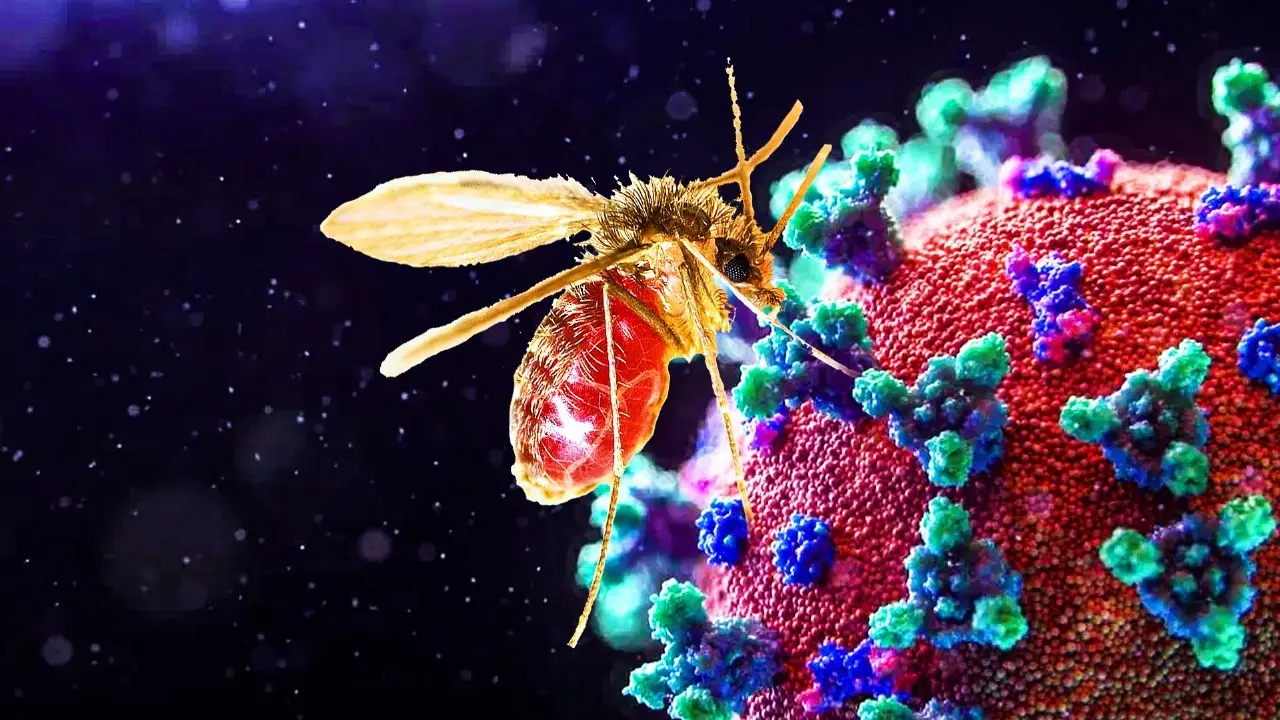
Once doctors confirmed what they were dealing with, the state government moved quickly. Health Minister Praful Pansheriya publicly called the situation heartbreaking and said his department wasn't taking any chances with it. Teams sent to investigate the villages found something telling - sand flies, tiny insects known to carry this exact virus, were breeding in cracks in the mud walls of local homes.
So now, spray teams are going house to house dousing homes with insecticide. Doctors from two medical colleges have been rushed into the affected villages, and health workers are literally knocking on doors to screen families and check for more possible cases. According to local reports, hundreds of health workers, close to 700, have been mobilised across the district, with a chunk of them focused entirely on the two hardest-hit villages.
Advertisement
The minister has also tried to keep things calm, pointing out that so far, no infections have shown up outside these two villages. His advice to residents? Patch up cracks in your walls, keep your surroundings tidy, and don't let kids get bitten by insects.
What is this virus?
Here's the simple version: Chandipura is a rare virus that can cause dangerous swelling in the brain. It's technically a cousin of the rabies virus, believe it or not, and it gets its name from the Maharashtra village where doctors first discovered it back in the 1960s.
Advertisement
It doesn't spread from person to person like a cold or flu would. Instead, it hitches a ride through insect bites - mainly from tiny sand flies, though some mosquitoes can carry it too. Once someone gets bitten, the virus can move shockingly fast, sometimes causing severe brain inflammation in under two days.
That's what makes it so scary. It often starts off looking like nothing serious- just a fever, a headache, some body aches. But in the worst cases, it escalates almost overnight into seizures, loss of consciousness, and in tragic cases, death.
Unfortunately, there's no specific cure or vaccine for it yet. Doctors can only try to manage the symptoms and control brain swelling as fast as possible which is exactly why catching it early matters so much.
Gujarat has seen this before
Sadly, this isn't the first time this virus has hit the region. Back in 2024, Panchmahal alone recorded 16 cases and lost seven children to the disease. And if you go back further, there's a grim history here - a major 2003 outbreak in Andhra Pradesh and Maharashtra killed over 180 kids, and just last year, a bigger outbreak in Gujarat's Sabarkantha district led to dozens more deaths.
Why kids seem to bear the worst of it
Interestingly, most people who actually catch this virus don't get seriously ill, many carry antibodies without ever realising they were infected. But young children, especially those under five, appear to have much weaker natural immunity against it, which experts believe is why the disease hits kids the hardest, particularly in rural and monsoon-hit areas where sand flies tend to thrive.
With no vaccine on the horizon and treatment options limited to symptom management, prevention really is the only real weapon available right now. Spraying for insects, sealing up homes, and rushing children to a hospital the moment a fever seems off are some of the means to tackle this for now.