
Diwali Crackers Can Harm Your Child's Lungs: Here's How To Protect Them
The burst of colours and sounds that light up the sky this festive season, however, come with a hidden cost, and that is a sharp rise in air pollution, which can seriously affect your child's delicate lungs.
- Health News
- 2 min read

;'%3e%3cpath%20d='m8,15.99c4.41,0,7.99-3.58,7.99-7.99S12.41,0,8,0,0,3.59,0,8s3.58,7.99,7.99,7.99Z'%20style='stroke:%23fff;%20stroke-miterlimit:10;%20stroke-width:.02px;'/%3e%3cpath%20d='m3.08,3.37l3.82,5.11-3.84,4.15h.87l3.37-3.64,2.72,3.64h2.94l-4.04-5.39,3.58-3.87h-.86l-3.1,3.35-2.5-3.35h-2.94Zm1.27.64h1.35l5.97,7.99h-1.35l-5.97-7.99Z'%20style='fill:%23fff;'/%3e%3c/g%3e%3c/svg%3e)


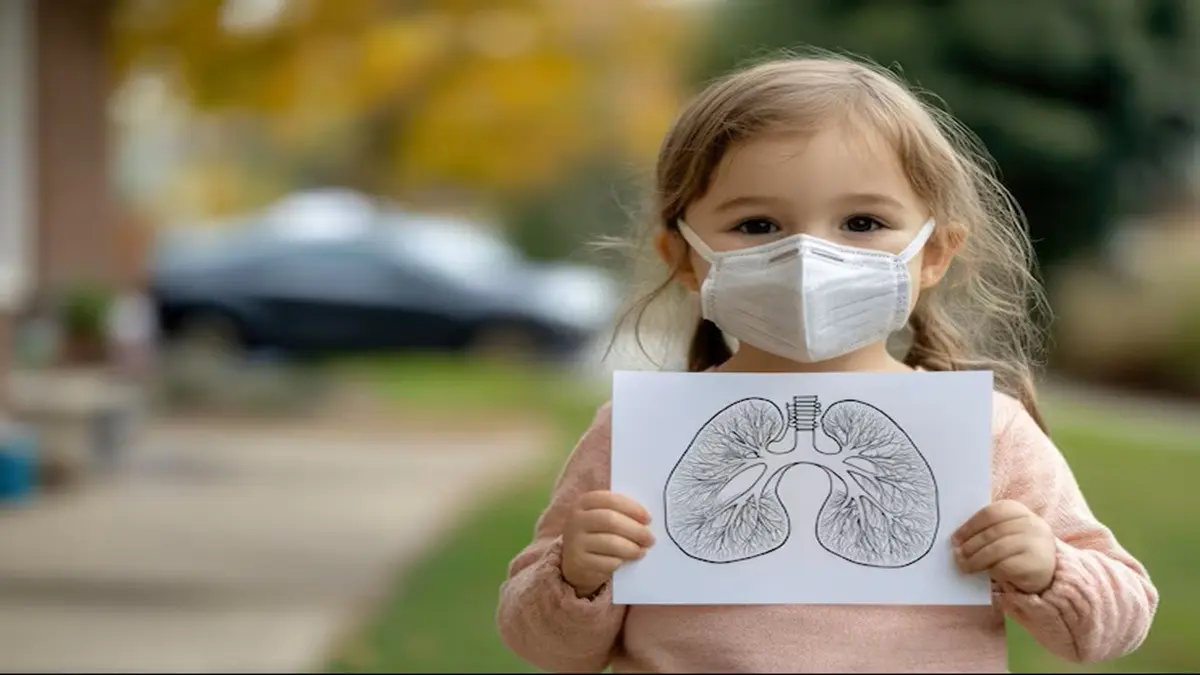
Diwali, the festival of lights, is one of the most celebrated festivals in India. This year, it will be observed on October 20. The burst of colours and sounds that light up the sky this festive season, however, come with a hidden cost, and that is a sharp rise in air pollution, which can seriously affect your child's delicate lungs.
Therefore, understanding the risks and taking preventive steps can make all the difference in keeping your little one healthy this festive season.
Causes of air pollution
Firecrackers: According to the publication of MaxHealthCare, crackers emit huge amounts of toxic gases and fine particulate matter (PM2.5) pollutants that linger in the air, which ultimately enter your lungs.
Increased traffic: The presence of vehicles on the road results in higher exhaust emissions.
Advertisement
Industrial and household emissions: Including extra energy usage and waste burning, also contribute to air pollution.
Health effects on the lungs
Exposure to the Diwali smoke and air pollution leads to multiple health issues, such as:
Advertisement
1. Irritation in the eyes, nose and throat
2. Breathing problems, coughing, and wheezing.
3. Exacerbation of asthma or other chronic diseases.
4. Increased risk of respiratory infections.
5. Problem in proper lung functioning due to repeated exposure.
Here are some tips to protect your child's lungs this Diwali:
Tip 1: Use proper masks when stepping out during heavy smoke.
Tip 2: Stay indoors during the peak hours of firecracker activity.
Tip 3: Keep your windows and doors closed to reduce indoor smoke entry.
Tip 4: Plan your outdoor activities for early morning or late evening when pollution levels are lower.
Tip 5: Use air purifiers/ filters to remove smoke particles.
Tip 6: You can also keep indoor plants that will help to filter air naturally, such as spider plants, snake plants or aloe vera.
Tip 7: Avoid burning candles or any other smoke-emitting materials indoors.
Tip 8: Children and people with lung conditions should remain indoors during heavy smog.
Tip 9: Maintain proper hydration to help the lungs flush out pollutants.
Tip 11: Avoid directly inhaling smoke when lighting diyas or candles.
Additional Tip!
Prefer eco-friendly celebrations, i.e. plantable seed crackers, or by burning fewer firecrackers.