
Feeling Sleepy All Day? Sleep Apnea Could Be The Reason: Know Strategies To Beat Fatigue And Risk Involved
This daytime fatigue is particularly dangerous for shift workers whose schedules can already contribute to sleep deprivation, making it harder to get restorative sleep and increasing the risk of workplace accidents.
- Health News
- 2 min read

;'%3e%3cpath%20d='m8,15.99c4.41,0,7.99-3.58,7.99-7.99S12.41,0,8,0,0,3.59,0,8s3.58,7.99,7.99,7.99Z'%20style='stroke:%23fff;%20stroke-miterlimit:10;%20stroke-width:.02px;'/%3e%3cpath%20d='m3.08,3.37l3.82,5.11-3.84,4.15h.87l3.37-3.64,2.72,3.64h2.94l-4.04-5.39,3.58-3.87h-.86l-3.1,3.35-2.5-3.35h-2.94Zm1.27.64h1.35l5.97,7.99h-1.35l-5.97-7.99Z'%20style='fill:%23fff;'/%3e%3c/g%3e%3c/svg%3e)


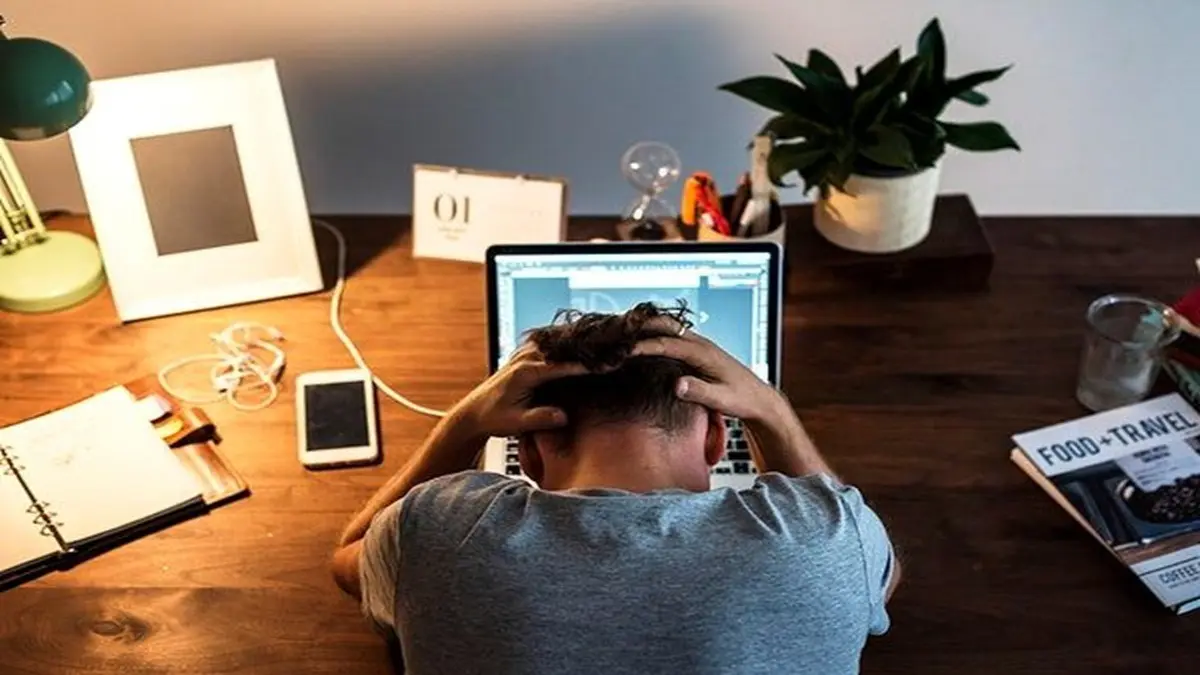
Sleep apnea refers to experiencing excessive daytime sleepiness, poor concentration and falling asleep at work due to poor sleep caused by sleep apnea. This daytime fatigue is particularly dangerous for shift workers whose schedules can already contribute to sleep deprivation, making it harder to get restorative sleep and increasing the risk of workplace accidents and serious health conditions like heart problems.
What is sleep apnea?

According to the NIH publication, sleep apnea is a common condition that occurs when your breathing stops and restarts many times while you sleep. This can prevent your body from getting enough oxygen.
What are the symptoms of sleep apnea?
1. Waking up repeatedly in the middle of the night.
2. Breathing pauses while asleep.
Advertisement
3. Unusual breathing patterns (fast breathing that gets deeper, then shallower again until breathing stops before starting again)
4. Snoring.
Advertisement
5. Waking up feeling short of breath or like you're choking
6. Daytime fatigue, sleepiness or exhaustion when waking up.
How to prevent sleep apnea?
1. Maintain a healthy weight: Maintaining a healthy weight can keep your airways clear and reduce sleep apnea symptoms.
2. Yoga/Exercise: Regular yoga or exercise increases your energy level, strengthens your heart, and improves sleep apnea.
3. Alter sleep cycle: For some adults, sleeping on the side can help breathing return to normal. It is recommended to discuss your body positioning and your sleep apnea symptoms with an expert to evaluate your options.
4. Humidifier: Dry air can irritate the body and the respiratory system; using a humidifier can help to open your airways, decrease congestion and encourage clearer breathing.
5. Avoid alcohol and smoking: Consumption of alcohol can lead to snoring, which interrupts your sleep and contributes to inflammation and swelling in your airways. Therefore, consider quitting smoking and alcohol to reduce apnea complications.