
How to Handle Medical Emergencies: 5 Key Steps To Adhere
Medical emergencies can strike unexpectedly, making it essential to know how to respond effectively. Being prepared can significantly impact the outcome.
- Health News
- 2 min read

;'%3e%3cpath%20d='m8,15.99c4.41,0,7.99-3.58,7.99-7.99S12.41,0,8,0,0,3.59,0,8s3.58,7.99,7.99,7.99Z'%20style='stroke:%23fff;%20stroke-miterlimit:10;%20stroke-width:.02px;'/%3e%3cpath%20d='m3.08,3.37l3.82,5.11-3.84,4.15h.87l3.37-3.64,2.72,3.64h2.94l-4.04-5.39,3.58-3.87h-.86l-3.1,3.35-2.5-3.35h-2.94Zm1.27.64h1.35l5.97,7.99h-1.35l-5.97-7.99Z'%20style='fill:%23fff;'/%3e%3c/g%3e%3c/svg%3e)


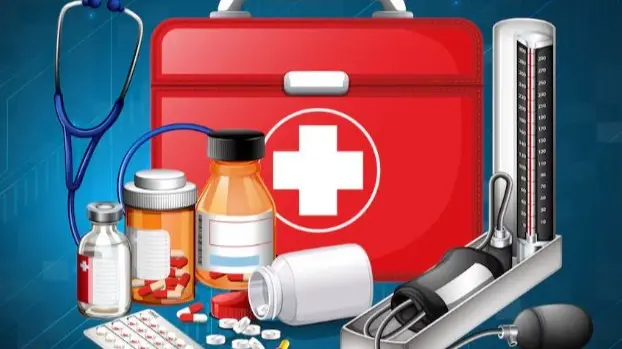
Medical emergencies can strike unexpectedly, making it essential to know how to respond effectively. Being prepared can significantly impact the outcome during critical situations.

Five crucial steps to follow
Evaluate the situation: First and foremost, stay calm and assess the condition of the person needing help. Check their level of consciousness, breathing, and the presence of any severe wounds or significant bleeding. This initial evaluation will help you understand the severity of the situation and guide your next actions.
Call for professional help: Once you’ve assessed the individual’s condition, promptly call your local emergency number. Provide the operator with a clear and concise description of the location and the nature of the emergency. Include details about the person’s condition to ensure that appropriate emergency services are dispatched quickly.
Administer basic first aid: While waiting for emergency personnel, provide basic first aid based on the person’s needs. If the individual is not breathing or lacks a pulse, perform Cardiopulmonary Resuscitation (CPR). Apply direct pressure to wounds to control bleeding and use cool water for burn injuries. Basic first aid knowledge is crucial and can stabilize a victim until professional help arrives.
Advertisement
Prevent further harm: It is vital to avoid exacerbating the person’s injuries. Do not move them unless absolutely necessary, such as in the case of imminent danger like fire or structural collapse. Excessive movement, especially if spinal injuries are suspected, can cause further harm. Ensure the surroundings are safe and keep the person as comfortable as possible.
Gather important Information: While awaiting emergency services, collect as much relevant information as you can about the individual. This includes their current medications, known allergies, medical history, and details about the incident. This information will be valuable for the medical professionals who arrive, helping them to provide appropriate treatment promptly.
Advertisement
Being prepared for medical emergencies involves knowing how to assess the situation, seek professional help, provide first aid, prevent further injury, and gather crucial information. By following these steps, you can make a significant difference in critical moments and potentially save lives.