
What Is Premature Menopause? How It Affects A Woman's Body Beyond Fertility
The ideal age of menopause is in the late 40s, but if it happens before 40, then it is called Premature Menopause. It happens when the body suddenly loses vital reproductive hormones.
- Health News
- 3 min read

;'%3e%3cpath%20d='m8,15.99c4.41,0,7.99-3.58,7.99-7.99S12.41,0,8,0,0,3.59,0,8s3.58,7.99,7.99,7.99Z'%20style='stroke:%23fff;%20stroke-miterlimit:10;%20stroke-width:.02px;'/%3e%3cpath%20d='m3.08,3.37l3.82,5.11-3.84,4.15h.87l3.37-3.64,2.72,3.64h2.94l-4.04-5.39,3.58-3.87h-.86l-3.1,3.35-2.5-3.35h-2.94Zm1.27.64h1.35l5.97,7.99h-1.35l-5.97-7.99Z'%20style='fill:%23fff;'/%3e%3c/g%3e%3c/svg%3e)


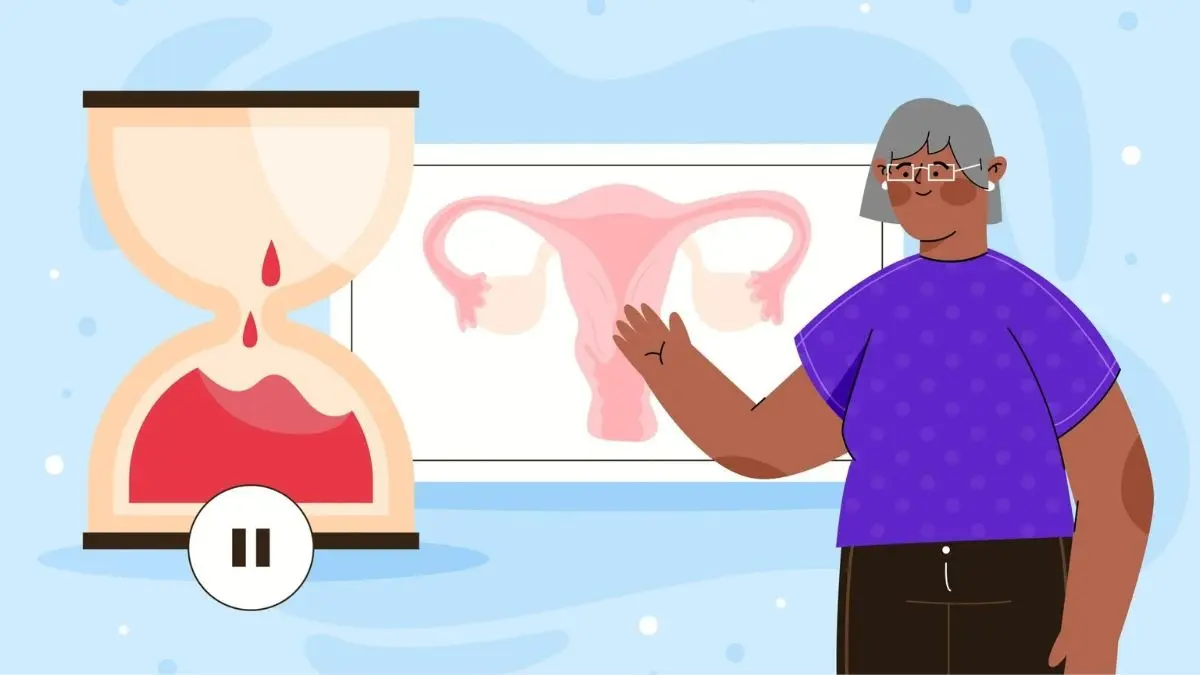
Early or premature menopause is when a woman's periods and ovarian function stop before the age of 40. There can be several reasons, such as genetics, medical treatments (chemotherapy) or autoimmune disorders, as per the National Institutes of Health. So if you or your loved one is going through the same, then this article will help you understand in depth and how it is not a good sign to have menopause before the age of 40.
What is early or premature menopause?
The ideal age of menopause is in the late 40s, but if it happens before 40, then it is called premature menopause. It happens when the body suddenly loses vital reproductive hormones like estrogen, triggering early menopause and increasing the long-term risk of severe health conditions, as per the National Institutes of Health.
Genetics: Women with a family history of premature menopause are more prone to have early menopause.

Chemotherapy: The radiation received during this treatment can damage the ovaries and cause your periods to stop.
Advertisement
Autoimmune Diseases: Thyroid and rheumatoid arthritis are among the autoimmune diseases that can cause your early menopause. It happens when the body's immune system fights off diseases, mistakenly attacking the ovaries.
Smoking: Women who smoke often may reach menopause two years before nonsmokers. There are chances of getting severe menopause symptoms.
Advertisement
Symptoms of premature menopause
Some women may not experience any symptoms, except for regular menopause. Other women may experience infertility or other adverse effects. Symptoms include Irregular periods, hot flashes and night sweats, painful intercourse, vaginal dryness, mood swings, anxiety, memory issues, low sexual drive and sleep issues.
How does premature menopause affect the body?
According to the National Institutes of Health, the sharp decline in estrogen and progesterone affects multiple bodily systems, leading to both immediate and long-term consequences.
Reproductive system
Infertility: According to the Cleveland Clinic, early menopause causes infertility as it stops releasing eggs, reducing the ability to conceive naturally.
Urinary and Vaginal Changes: When you have early menopause, estrogen declines, causing vaginal tissues to thin and lose elasticity, leading to vaginal dryness, painful intercourse and risk of urinary tract infections.
Mental and Cognitive Health
It also affects the mood and cognitive function owing to fluctuating hormones. Many women have also experienced "brain fog", memory lapses and difficulty concentrating.
Physical symptoms
Vasomotor Symptoms: Early menopause causes sudden drops in hormones, triggering hot flashes and night sweats. This leads to severe sleep disturbances and fatigue.
General Discomfort: Women having early menopause experience dry skin, dry eyes, dry mouth, and even breast tenderness.
Long-term health risks
Heart health: The decline in estrogen can negatively impact cholesterol levels and blood vessels, increasing the long-term risk of cardiovascular disease.
Bone health: Estrogen maintains bone density, and if it drops, women face the risk of developing Osteoporosis.
To Note: If you or any of your loved ones is experiencing early menopause symptoms, consult a healthcare professional for an evaluation.