
4 Cubs Born In Kuno: Botswana Cheetah KOMG 3 Gives Birth In The Wild, Pushing India's Count To 62
Botswana-origin cheetah KOMG 3 gave birth to four healthy cubs in the wild after four months of free living, taking India's cheetah population to 62 in only the second wild birth since Project Cheetah began in 2022 Kuno.
- India News
- 4 min read


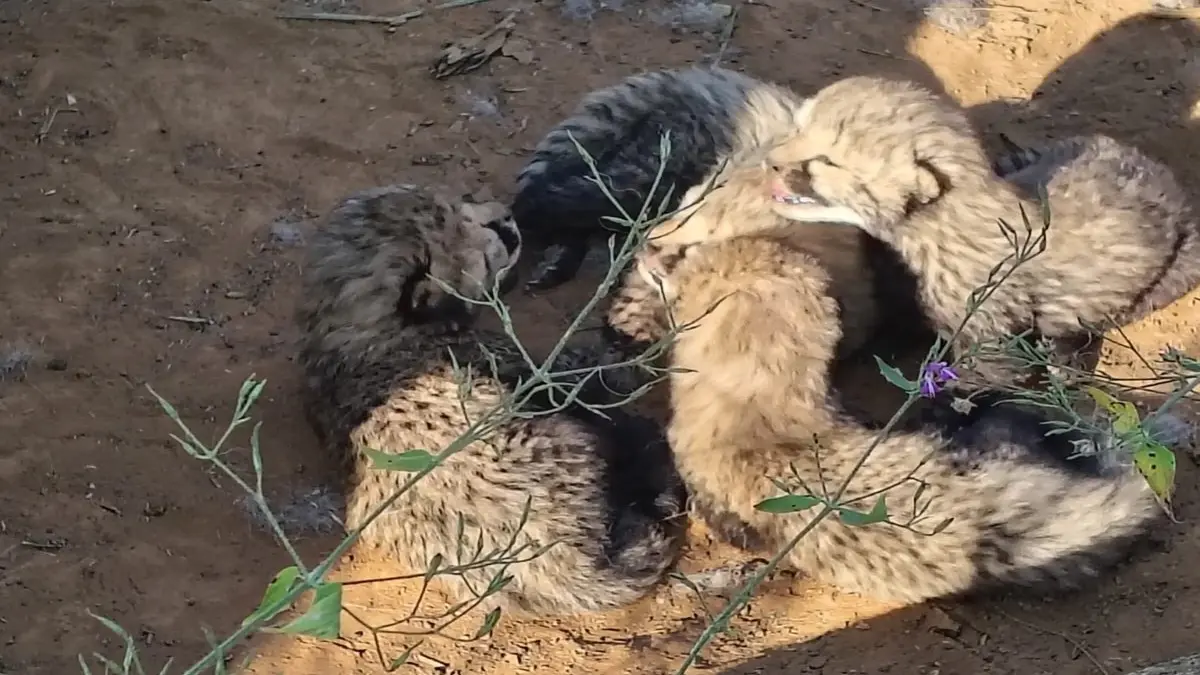
Kuno: Four cubs have arrived in the open grasslands of Kuno, born to a Botswana-origin female cheetah who had already learnt to live wild in India. Now, the birth of 4 cubs has pushed the country's cheetah count to 62.
The litter was confirmed on Friday by Union Minister of Environment, Forest and Climate Change Bhupender Yadav, who informed that the 4 newborns are healthy and were born under natural conditions. A programme that began with animals flown in from another continent, the recent wild litter is being seen as proof that the cheetahs are no longer just guests in enclosures, but are beginning to settle, survive and raise families in Indian forests.
The mother is KOMG 3, a 2.5-year-old female cheetah who has now become the first female from Botswana to give birth in India. She had spent over 4 months roaming free before she delivered, which means she gave birth only after she had already adapted to the wild. Notably, this is also only the second time a cheetah has given birth in the wild since Project Cheetah began in 2022, and with 43 of the 62 cheetahs in India now born in the country, the officials see the birth as a sign that the population is moving towards one that can sustain itself without constant new arrivals.
Different Kind Of Milestone
As per officials, the wild births are treated differently from enclosure births, because they show the mother can cope without help. In this case, KOMG 3 had already proved she could live in the wild for over 4 months before her cubs were born.
Advertisement
The particular history is why this litter is being read as more than just a number. It suggested that the animals are learning to hunt, move and protect their young in open habitat.
The only other wild birth on record happened on April 11, when KGP12, a female cheetah born in India to South African cheetah Gamini, gave birth to 4 cubs at the Kuno National Park in Madhya Pradesh. The event marked the first time a second-generation cheetah, born in India, had successfully reproduced in the wild.
Advertisement
Between 1952 To 62
It was in the year 1952 that cheetahs were declared extinct in India. The effort to bring them back, Project Cheetah, was launched in the year 2022, on September 17, and became the world's first intercontinental transfer of a large carnivore, bringing the world's fastest land animal back to Indian soil.
The first 8 cheetahs arrived from Namibia in September 2022, followed by 12 from South Africa in February 2023. Later, 9 more cheetahs were subsequently brought from Botswana in 2026, and KOMG 3 was part of that latest group.
The Kuno National Park in Madhya Pradesh serves as the programme's primary home, with efforts also underway to expand the population to other suitable habitats. The latest birth added another generation to India's growing cheetah population, bringing the country closer to the goal of restoring a viable population of the species.
Now, as newborns come from both Indian-born mothers like KGP12 and Botswana-origin mothers like KOMG 3, the next test will be keeping the cubs alive through their most fragile weeks. The coming months will decide whether this wild-born litter grows into the foundation of a self-sustaining population.
Get Current Updates on India News, Entertainment News, Cricket News along with Latest News and Web Stories from India and around the world.