
40 Days of Water Left in Mumbai: Delayed Monsoon Pushes BMC to Deploy Strict Conservation Measures
The main issue is the lack of rain where it matters most. While the lakes usually start refilling by now, catchment areas have been mostly dry. Modak Sagar and Tansa have received only minor showers, while the other five lakes have recorded no rainfall at all.
- India News
- 2 min read

;'%3e%3cpath%20d='m8,15.99c4.41,0,7.99-3.58,7.99-7.99S12.41,0,8,0,0,3.59,0,8s3.58,7.99,7.99,7.99Z'%20style='stroke:%23fff;%20stroke-miterlimit:10;%20stroke-width:.02px;'/%3e%3cpath%20d='m3.08,3.37l3.82,5.11-3.84,4.15h.87l3.37-3.64,2.72,3.64h2.94l-4.04-5.39,3.58-3.87h-.86l-3.1,3.35-2.5-3.35h-2.94Zm1.27.64h1.35l5.97,7.99h-1.35l-5.97-7.99Z'%20style='fill:%23fff;'/%3e%3c/g%3e%3c/svg%3e)


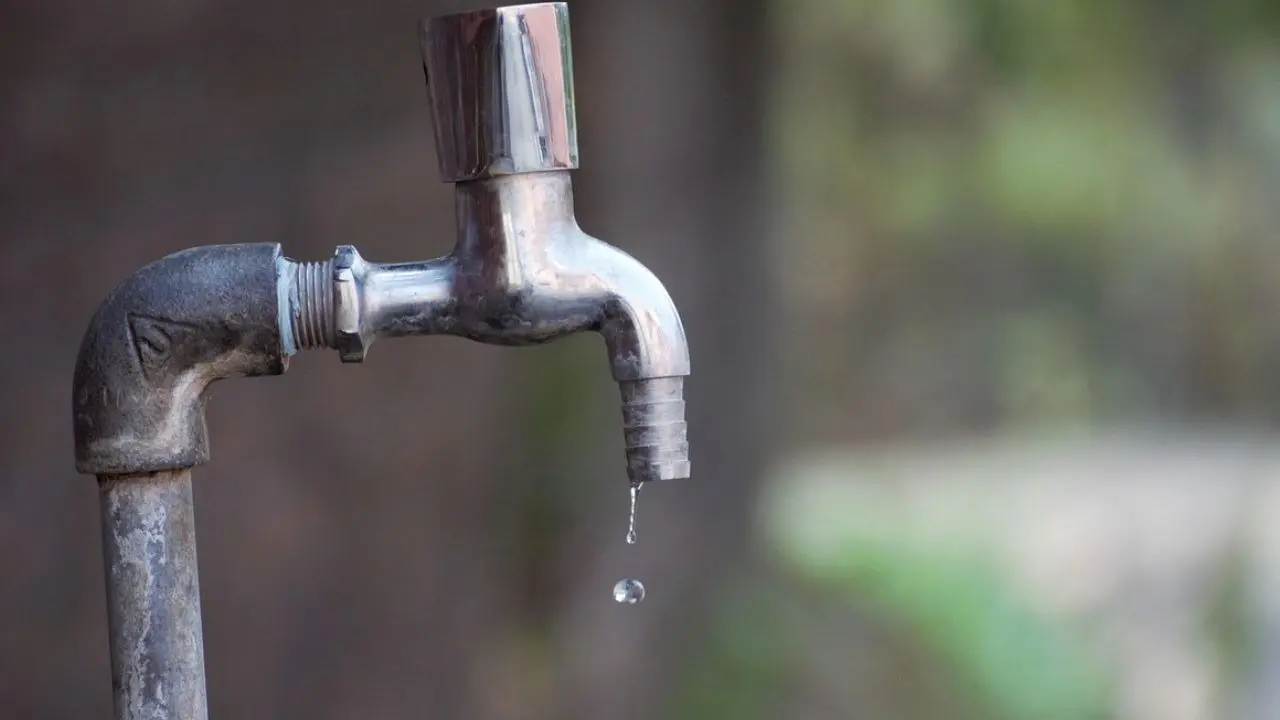
Mumbai is running low on water as the monsoon continues to delay its arrival. The Brihanmumbai Municipal Corporation (BMC) announced that the seven lakes supplying the city’s drinking water are down to roughly 40 days of stock, forcing officials to step up conservation measures across the city.
Delayed Monsoon, Dry Reservoirs
The delay in seasonal rains has caused the city's reservoirs—Tansa, Vihar, Tulsi, Bhatsa, Upper Vaitarna, Modak Sagar, and Middle Vaitarna—to drop rapidly. On the bright side, current levels are still slightly better than they were at this time last year and well ahead of the record lows seen in 2024. However, with the India Meteorological Department (IMD) predicting a weaker monsoon this year due to El Nino, city engineers are handling the situation with caution.
The main issue is the lack of rain where it matters most. While the lakes usually start refilling by now, catchment areas have been mostly dry. Modak Sagar and Tansa have received only minor showers, while the other five lakes have recorded no rainfall at all.
BMC Deploys ‘Rationing Strategy’
To make the remaining stock last until the heavy rains arrive, the BMC is expanding its rationing strategy. Building on the 10% citywide water cut introduced on May 15, the civic body has now cut off municipal water supply to all swimming pools and construction sites. Industrial units, commercial businesses, and sports clubs are facing a steep 20% supply cut.
Advertisement
The BMC has also told soft drink and bottled water plants to limit their use of city water strictly to what their staff needs to drink. Additionally, major consumers like the railways, oil refineries, and defense sector have been asked to stop using fresh water for cleaning and operations, switching to treated wastewater instead. Residents have also been urged to save drinking water by using borewells or tankers for chores like washing cars or watering gardens.
Civic officials say they are monitoring the situation closely and will penalize anyone found wasting water. For a city that relies on 2,300 mm of rain every year to get by, the next few weeks will be a tense wait for the monsoon to finally hit.
Advertisement
Get Current Updates on India News, Entertainment News, Cricket News along with Latest News and Web Stories from India and around the world.