
As Toxic Smog Blankets Delhi, HC Demands Explanation From Centre Over GST Cut On Air Purifiers
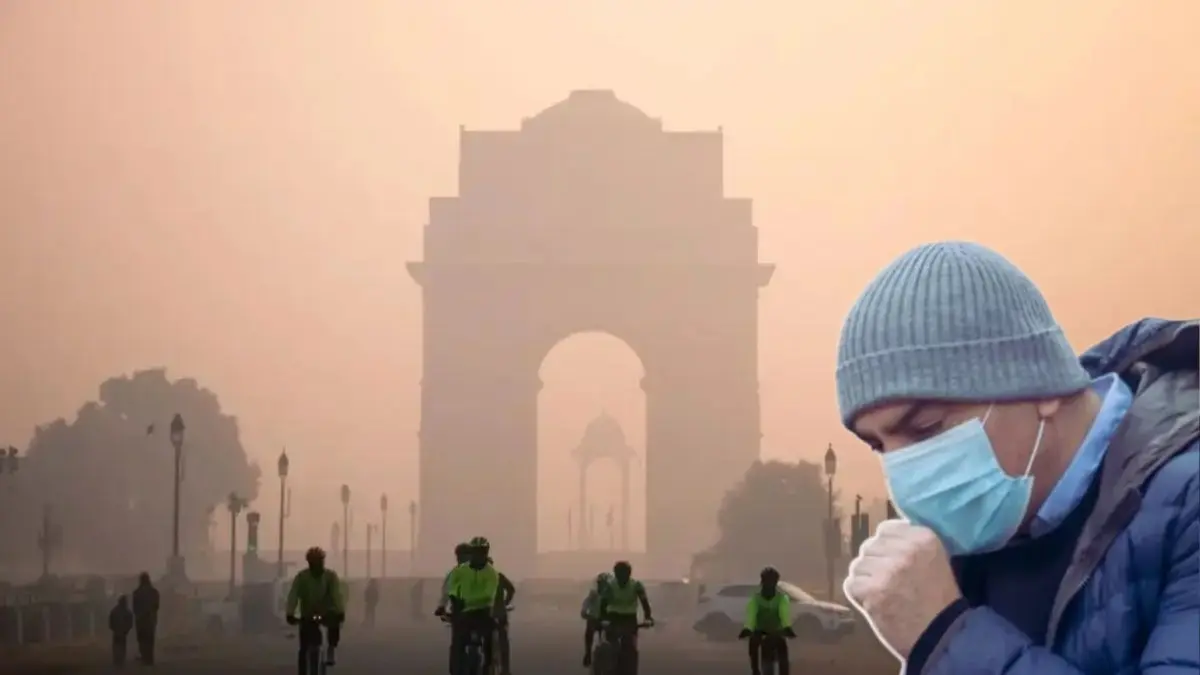
Referring to the prevailing air quality in Delhi and the surrounding regions, the Court observed that an air purifier today costs between ₹10,000 and ₹15,000 and questioned why GST could not be reduced to a level that would make it affordable for the common man.
- India News
- 7 min read

;'%3e%3cpath%20d='m8,15.99c4.41,0,7.99-3.58,7.99-7.99S12.41,0,8,0,0,3.59,0,8s3.58,7.99,7.99,7.99Z'%20style='stroke:%23fff;%20stroke-miterlimit:10;%20stroke-width:.02px;'/%3e%3cpath%20d='m3.08,3.37l3.82,5.11-3.84,4.15h.87l3.37-3.64,2.72,3.64h2.94l-4.04-5.39,3.58-3.87h-.86l-3.1,3.35-2.5-3.35h-2.94Zm1.27.64h1.35l5.97,7.99h-1.35l-5.97-7.99Z'%20style='fill:%23fff;'/%3e%3c/g%3e%3c/svg%3e)


New Delhi: The Delhi High Court on Thursday held a fresh hearing in the public interest litigation seeking a reduction of Goods and Services Tax (GST) on air purifiers and deferred any interim directions, granting time to the Union government to file a detailed counter affidavit.
A Division Bench of Justices Vikas Mahajan and Vinod Kumar commenced the hearing, with Additional Solicitor General (ASG) N. Venkataraman appearing for the Centre. At the outset, the ASG questioned the very maintainability of the petition, contending that it was "not a PIL at all" and suggesting that the Court should first ascertain who was behind the writ petition.
He submitted that the issue had already been deliberated "at the highest level, including by the Finance Minister," and that the government had serious concerns about the prayers sought. The ASG argued that the petition sought directions beyond the scope of the writ of habeas corpus, noting that the Health Department was not a party. Yet the petitioner sought the Court's declaration that air purifiers are medical devices.
Classification of goods and fixation of GST rates fall exclusively within the domain of the GST Council, a constitutional and federal body comprising the Union and all States. Any decision, he said, must follow a detailed statutory process involving licensing, regulation and deliberation by all stakeholders, and could not be "scuttled" through a writ petition.
Advertisement
Raising further objections, the ASG submitted that the prayers in the petition, particularly those seeking directions to the GST Council, were impermissible. He maintained that if a meeting of the Council were to be convened, it could only be done physically, and warned that entertaining such petitions could open a "Pandora's box," with similar demands being raised across sectors. Seeking time, he requested that the Court permit the filing of a comprehensive counter-affidavit, stating that the government could not be expected to respond substantively within two days.
The Bench, however, repeatedly underscored the public health context. Referring to the prevailing air quality in Delhi and the surrounding regions, the Court observed that an air purifier today costs between ₹10,000 and ₹15,000 and questioned why GST could not be reduced to a level that would make it affordable for the common man. "Do whatever you have to do," the Court remarked, adding that the concern was rooted in the grave pollution situation. The petitioner, appearing in person, Advocate Kapil Madan, maintained that the petition was not adversarial. He argued that even a bare reading of the relevant GST notifications would show that air purifiers were being taxed under an incorrect category. Drawing the Court's attention to Schedule I of the notification, Madan submitted that all medical devices fall under that schedule. In contrast, air purifiers were misclassified under Schedule II, resulting in a higher tax rate.
Advertisement
The Bench noted the Union's stand that air purifiers are not medical devices, and clarified that the "sum and substance" of the earlier order was only that a call needed to be taken by the GST Council, given its pan-India character. Madan responded that he was not pressing for the abolition of tax, but only for correct classification and rationalisation.
When the Court asked the ASG what the difficulty was in the GST Council taking a call, the ASG reiterated that there was a defined process and that a Parliamentary Standing Committee recommendation on the issue was already under consideration. He stressed that the Centre was not expressing any final view at this stage.
Observing that the issue concerns everyone and has broad public ramifications, the Bench concluded that, without a counter affidavit, no final or interim relief could be granted at this stage. Accepting the submissions of both sides, the Court directed the Union government to file its detailed counter-affidavit within 10 days, with liberty to the petitioner to file a rejoinder thereafter.
Recording the ASG's submission that any meeting of the GST Council, if convened, would have to be held physically, the Court ordered that the matter be listed for further hearing on January 9, and requested that it be taken up expeditiously after the court vacation. The Delhi High Court on Thursday held a fresh hearing in the public interest litigation seeking a reduction of Goods and Services Tax (GST) on air purifiers and deferred any interim directions, granting time to the Union government to file a detailed counter affidavit.
A Division Bench of Justices Vikas Mahajan and Vinod Kumar commenced the hearing, with Additional Solicitor General (ASG) N. Venkataraman appearing for the Centre. At the outset, the ASG questioned the very maintainability of the petition, contending that it was "not a PIL at all" and suggesting that the Court should first ascertain who was behind the writ petition.
He submitted that the issue had already been deliberated "at the highest level, including by the Finance Minister," and that the government had serious concerns about the prayers sought. The ASG argued that the petition sought directions beyond the scope of the writ of habeas corpus, noting that the Health Department was not a party. Yet the petitioner sought the Court's declaration that air purifiers are medical devices.
Classification of goods and fixation of GST rates fall exclusively within the domain of the GST Council, a constitutional and federal body comprising the Union and all States. Any decision, he said, must follow a detailed statutory process involving licensing, regulation and deliberation by all stakeholders, and could not be "scuttled" through a writ petition.
Raising further objections, the ASG submitted that the prayers in the petition, particularly those seeking directions to the GST Council, were impermissible. He maintained that if a meeting of the Council were to be convened, it could only be done physically, and warned that entertaining such petitions could open a "Pandora's box," with similar demands being raised across sectors. Seeking time, he requested that the Court permit the filing of a comprehensive counter-affidavit, stating that the government could not be expected to respond substantively within two days.
The Bench, however, repeatedly underscored the public health context. Referring to the prevailing air quality in Delhi and the surrounding regions, the Court observed that an air purifier today costs between ₹10,000 and ₹15,000 and questioned why GST could not be reduced to a level that would make it affordable for the common man. "Do whatever you have to do," the Court remarked, adding that the concern was rooted in the grave pollution situation. The petitioner, appearing in person, Advocate Kapil Madan, maintained that the petition was not adversarial. He argued that even a bare reading of the relevant GST notifications would show that air purifiers were being taxed under an incorrect category. Drawing the Court's attention to Schedule I of the notification, Madan submitted that all medical devices fall under that schedule. In contrast, air purifiers were misclassified under Schedule II, resulting in a higher tax rate.
The Bench noted the Union's stand that air purifiers are not medical devices, and clarified that the "sum and substance" of the earlier order was only that a call needed to be taken by the GST Council, given its pan-India character. Madan responded that he was not pressing for the abolition of tax, but only for correct classification and rationalisation.
When the Court asked the ASG what the difficulty was in the GST Council taking a call, the ASG reiterated that there was a defined process and that a Parliamentary Standing Committee recommendation on the issue was already under consideration. He stressed that the Centre was not expressing any final view at this stage.
Observing that the issue concerns everyone and has broad public ramifications, the Bench concluded that, without a counter affidavit, no final or interim relief could be granted at this stage. Accepting the submissions of both sides, the Court directed the Union government to file its detailed counter-affidavit within 10 days, with liberty to the petitioner to file a rejoinder thereafter.
Recording the ASG's submission that any meeting of the GST Council, if convened, would have to be held physically, the Court ordered that the matter be listed for further hearing on January 9, and requested that it be taken up expeditiously after the court vacation.
Get Current Updates on India News, Entertainment News, Cricket News along with Latest News and Web Stories from India and around the world.