
GRAP 1 Restrictions Enforced Across Delhi-NCR Amid Intense Heatwave
Forecasting models by the India Meteorological Department (IMD) and the Indian Institute of Tropical Meteorology (IITM) indicate that the air quality is likely to remain locked in the 'Poor' range over the coming days.
- India News
- 3 min read

;'%3e%3cpath%20d='m8,15.99c4.41,0,7.99-3.58,7.99-7.99S12.41,0,8,0,0,3.59,0,8s3.58,7.99,7.99,7.99Z'%20style='stroke:%23fff;%20stroke-miterlimit:10;%20stroke-width:.02px;'/%3e%3cpath%20d='m3.08,3.37l3.82,5.11-3.84,4.15h.87l3.37-3.64,2.72,3.64h2.94l-4.04-5.39,3.58-3.87h-.86l-3.1,3.35-2.5-3.35h-2.94Zm1.27.64h1.35l5.97,7.99h-1.35l-5.97-7.99Z'%20style='fill:%23fff;'/%3e%3c/g%3e%3c/svg%3e)


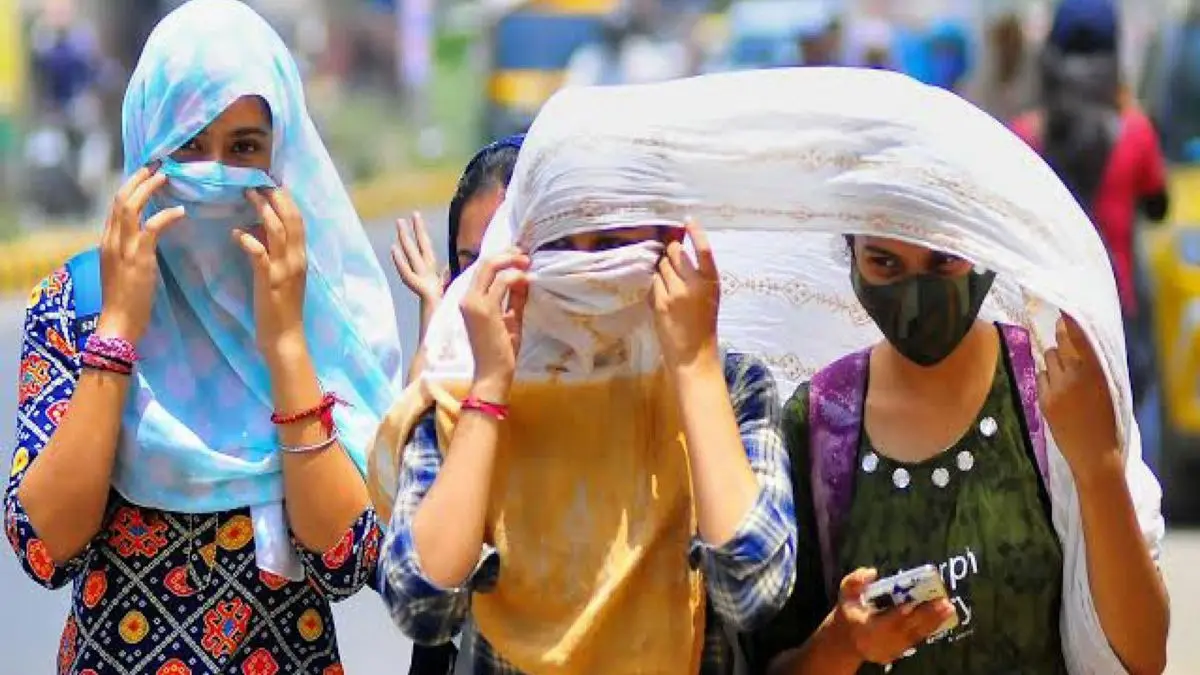
In a highly unusual move for peak summer, the Commission for Air Quality Management (CAQM) has invoked Stage-I of the Graded Response Action Plan (GRAP) across Delhi-NCR with immediate effect. The emergency anti-pollution measures were activated on Tuesday after the national capital's daily average Air Quality Index (AQI) climbed to 208, crossing the threshold into the 'Poor' category.
The enforcement of GRAP-I—a 31-point action plan traditionally associated with winter smog—comes as the region battles a punishing heatwave, with temperatures hovering near 45°C.
According to meteorologists, the extreme summer heat and stagnant atmospheric conditions are directly contributing to the sudden spike in pollution. Intense dryness and lack of wind have allowed heavy dust, vehicular emissions, and industrial smoke to become trapped close to the ground rather than dispersing. Additionally, strong summer sunlight is triggering chemical reactions with existing pollutants, causing an increase in harmful ground-level ozone.
Forecasting models by the India Meteorological Department (IMD) and the Indian Institute of Tropical Meteorology (IITM) indicate that the air quality is likely to remain locked in the 'Poor' range over the coming days, leaving the CAQM sub-committee with little choice but to step in.
Advertisement
Under the activated GRAP-I mandate, a wave of preventive restrictions has been deployed across the entire National Capital Region:
- Dust Management: Authorities must heavily step up mechanized road sweeping and water sprinkling to keep dry dust settled. Construction sites face strict monitoring, and projects larger than 500 square meters must halt work if they are not registered on state web portals for remote dust monitoring.
- Fuel & Emission Bans: There is a complete ban on using coal and firewood in tandoors at hotels, restaurants, and open eateries. Industries must stick strictly to approved clean fuels, and diesel generator sets are barred from operating except for emergency or essential services.
- Waste & Traffic Vigilance: Open burning of municipal solid waste, biomass, and hazardous materials is strictly prohibited. Traffic police and transport departments have been directed to intensify checks on vehicle emissions and heavily fine or impound visibly polluting vehicles.
To assist with the sudden dust emergency, the Municipal Corporation of Delhi (MCD) launched eight new truck-mounted mechanical road-sweeping machines on Tuesday. Delhi Mayor Pravesh Wahi stated that expanding the fleet will increase the frequency of dust cleaning on major busy roads while keeping manual sanitation workers safe from the intense heatwaves.
Advertisement
Get Current Updates on India News, Entertainment News, Cricket News along with Latest News and Web Stories from India and around the world.