
India And China Take Major Step Towards Border Peace: 10 Key Points Explained By Chinese Ambassador
India and China agree to maintain peace and tranquillity along the LAC, set up an expert group for boundary delimitation, and resume direct flights, border trade.
- India News
- 4 min read

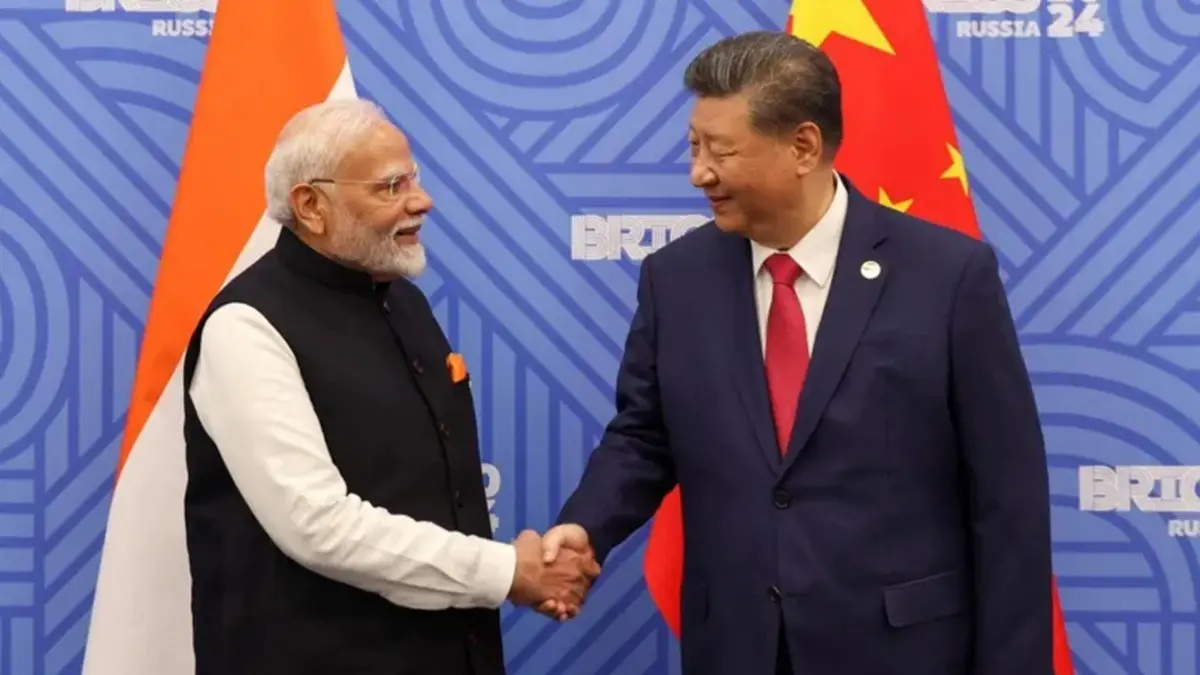
New Delhi: India and China have taken major steps to improve their bilateral relations, particularly in the areas of border management and trade. Following the 24th Round of Talks Between the Special Representatives (SRs) of China and India on the boundary question, China's Ambassador to India, Xu Feihong, explained ten key points of consensus.
According to the Chinese Ambassador, the two sides emphasised the importance of maintaining peace and tranquillity in the border areas, stressing the need to handle the issue through friendly consultations to promote the overall development of the bilateral relationship. They agreed to take a political perspective on the overall bilateral relationship while seeking a fair, reasonable, and mutually acceptable framework for settlement of the boundary question, in accordance with the Agreement on Political Parameters and Guiding Principles for Settlement of the China-India Boundary Question signed in 2005.
To achieve this, India and China have agreed to establish several new mechanisms. An expert group will be set up under the Working Mechanism for Consultation and Coordination (WMCC) on the China-India border affairs framework to explore the early harvest of boundary delimitation on appropriate sectors. A working group will also be established under the WMCC framework to advance effective border management and maintain peace and tranquillity in the border areas.
India-China To Use Border Management Mechanisms To Discuss De-Escalation
The two sides also agreed to create general-level mechanisms in the eastern and middle sectors, in addition to the existing general-level mechanism in the western sector. They will use border management mechanisms at diplomatic and military levels to carry forward the process of border management and discuss de-escalation.
Advertisement
In terms of economic cooperation, India and China have agreed to reopen three traditional border trading markets - Renqinggang-Changgu, Pulan-Gunji, and Jiuba-Namgya. They also exchanged views on trans-border rivers cooperation and agreed to give full play to the role of the China-India expert-level mechanism on trans-border rivers. The Chinese side has agreed to share hydrological information during emergency situations based on humanitarian considerations.
The 25th Round of SR Talks will be held in China in 2026. During Chinese Foreign Minister Wang Yi's recent visit to India, he co-chaired the 24th round of the Special Representatives' dialogue on the Boundary Question with National Security Advisor Ajit Doval and held bilateral talks with External Affairs Minister S Jaishankar. Wang also called on Prime Minister Narendra Modi, who welcomed the steady progress in bilateral ties since their meeting in Kazan last year.
Advertisement
The two sides have also agreed to resume direct flights, facilitate trade and investment flows, and enhance people-to-people exchanges. These developments signal a positive trend in India-China relations, with both countries working towards rebuilding ties after a tense border standoff that began in 2020. By maintaining peace and tranquillity along the border and promoting cooperation in various areas, India and China aim to strengthen their bilateral relationship and contribute to regional stability.
Here are the 10 key points of consensus between India and China:
- Maintaining Peace and Tranquillity: Both sides emphasised the importance of maintaining peace and tranquillity in the border areas and handling the issue properly through friendly consultations to promote the overall development of the bilateral relationship.
- Fair and Reasonable Boundary Settlement: The two sides agreed to take a political perspective of the overall bilateral relationship while seeking a fair, reasonable, and mutually acceptable framework for settlement of the boundary question, in accordance with the 2005 Agreement on Political Parameters and Guiding Principles.
- Expert Group for Boundary Delimitation: An expert group will be set up under the WMCC framework to explore the early harvest of boundary delimitation on appropriate sectors.
- Working Group for Border Management: A Working Group will be established under the WMCC framework to advance effective border management and maintain peace and tranquillity in the border areas.
- General-Level Mechanisms: General-Level Mechanisms will be created in the Eastern and Middle Sectors, in addition to the existing mechanism in the Western Sector, and the next round of General-Level Mechanism meetings will be held in the Western Sector.
- Border Management Mechanisms: The two sides agreed to use border management mechanisms at diplomatic and military levels to carry forward the process of border management and discuss de-escalation.
- Trans-Border Rivers Cooperation: Both sides will give full play to the role of the China-India Expert Level Mechanism on Trans-border Rivers, keep communication on the renewal of relevant MoUs, and share hydrological information during emergency situations based on humanitarian considerations.
- Re-opening Border Trading Markets: The three traditional border trading markets, namely Renqinggang-Changgu, Pulan-Gunji, and Jiuba-Namgya, will be reopened.
- Next Round of SR Talks: The 25th Round of Special Representatives' Talks will be held in China in 2026.
- Progress and Peace: Both sides spoke positively of the progress made in implementing the important leader-level consensus in Kazan and shared the view that peace and tranquillity have been maintained in the China-India border areas since the 23rd Round of SR Talks.
Get Current Updates on India News, Entertainment News, Cricket News along with Latest News and Web Stories from India and around the world.