
No Big Hotels in Bungus Valley: J&K Govt Focuses on Eco-Tourism, Locals Divided
Bungus Valley, located in north Kashmir’s Kupwara district, is one of the most scenic and unexplored valleys in the region.
- India News
- 3 min read

;'%3e%3cpath%20d='m8,15.99c4.41,0,7.99-3.58,7.99-7.99S12.41,0,8,0,0,3.59,0,8s3.58,7.99,7.99,7.99Z'%20style='stroke:%23fff;%20stroke-miterlimit:10;%20stroke-width:.02px;'/%3e%3cpath%20d='m3.08,3.37l3.82,5.11-3.84,4.15h.87l3.37-3.64,2.72,3.64h2.94l-4.04-5.39,3.58-3.87h-.86l-3.1,3.35-2.5-3.35h-2.94Zm1.27.64h1.35l5.97,7.99h-1.35l-5.97-7.99Z'%20style='fill:%23fff;'/%3e%3c/g%3e%3c/svg%3e)


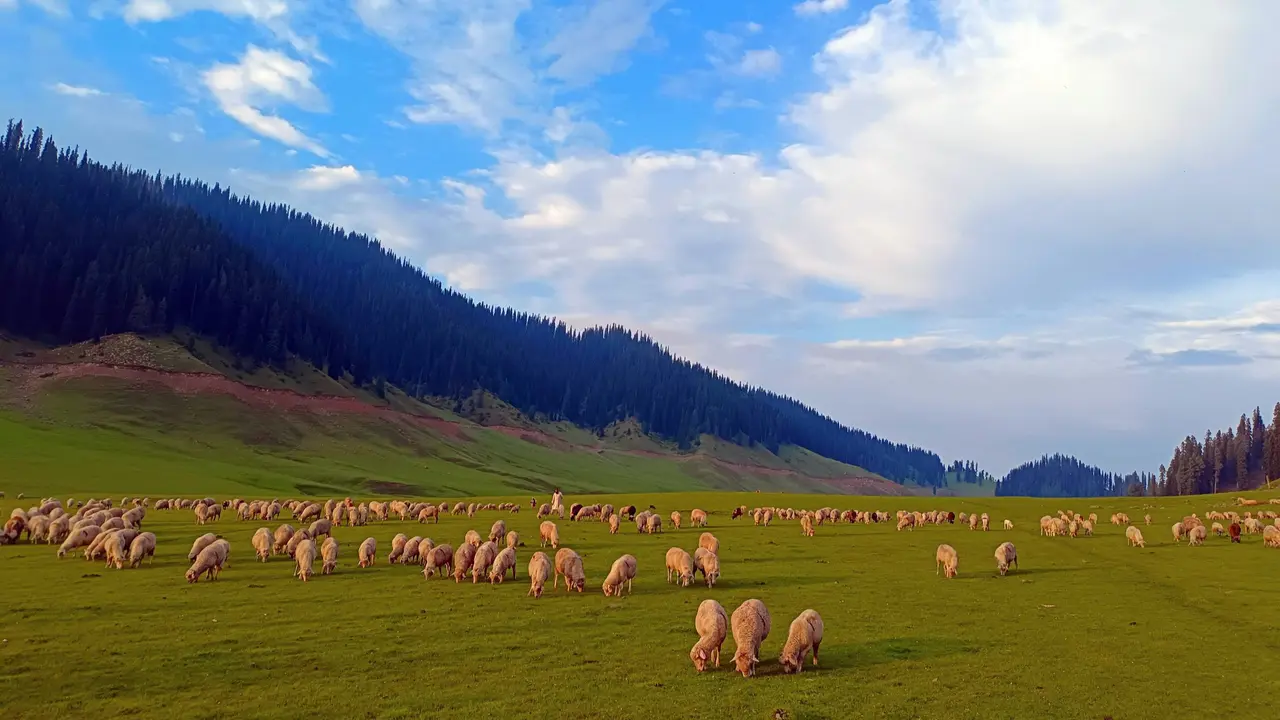
Jammu: The Jammu and Kashmir government has ruled out the construction of large hotels and commercial buildings in Bungus Valley, opting instead for an eco-tourism model to preserve the region’s pristine environment. While environmentalists applaud the move, many locals fear they may be left behind in the absence of large-scale tourism-driven development.
Bungus Valley, located in north Kashmir’s Kupwara district, is one of the most scenic and unexplored valleys in the region. Surrounded by lush meadows, dense forests, and snow-capped peaks, the valley is known for its diverse flora and fauna, including rare species such as the Hangul deer and the Himalayan brown bear. Due to its untouched beauty, Bungus has immense potential as a tourist destination, but limited accessibility and a lack of infrastructure have kept it off the mainstream tourism radar.
Tourism Shouldn't Disturb Valley's Ecosystem
Responding to a question from Langate MLA Sheikh Khursheed, the Minister in charge of Tourism during the ongoing assembly session stated that the government is committed to keeping Bungus Valley free from large-scale construction. “The area is being developed as an eco-tourism destination, ensuring that tourism activities do not disturb the valley’s fragile ecosystem,” he said.
ALSO READ: Sonamarg Tunnel Inauguration Pays Off, Region Sees Record Tourism In January | Republic World
Advertisement
Instead of hotels and commercial resorts, the administration is working on setting up basic tourism infrastructure, including recreation spots, rain shelters, public conveniences, proper signage, lighting, and waste disposal facilities. The government has also launched an initiative to register paying guest houses in nearby villages, allowing locals to benefit from tourism without harming the environment.
“This move not only supports the local economy but also preserves and promotes the unique culture, traditions, and cuisine of the region” the minister added.
Advertisement
So far, 19 paying guest houses have been registered with the tourism department.
While some residents appreciate the government's eco-friendly approach, others feel that the decision to prevent large-scale development could hinder economic opportunities.
Ghulam Nabi, a local shopkeeper from the nearby village of Nowgam, expressed his concerns, “We want development, but in a way that benefits the local people. Paying guest houses is a good idea, but they won’t bring the kind of jobs and investment that hotels would,”.
Abdul Rashid, a young man hoping to work in the tourism industry, worries about the limited job prospects. “Other places like Gulmarg and Pahalgam have big hotels, restaurants, and adventure tourism. Why should Bungus be left behind? We need roads, we need infrastructure, and we need more tourists,” he said.
However, environmental activists argue that unregulated tourism could harm Bungus Valley’s fragile ecosystem. “We have seen how mass tourism has affected places like Sonamarg and Pahalgam. Bungus should be protected before it’s too late,” said Dr. Shabir Ahmad, an environmental researcher from Kashmir University.
Get Current Updates on India News, Entertainment News, Cricket News along with Latest News and Web Stories from India and around the world.