
No More Queues: Delhi Gets Its First Barrier-Free Toll Plaza, Here's How It Will Benefit Commuters
This launch marks Delhi as the second city in India to adopt the technology, following the successful implementation of a similar system at the Choryasi toll plaza in Gujarat earlier this month.
- India News
- 2 min read

;'%3e%3cpath%20d='m8,15.99c4.41,0,7.99-3.58,7.99-7.99S12.41,0,8,0,0,3.59,0,8s3.58,7.99,7.99,7.99Z'%20style='stroke:%23fff;%20stroke-miterlimit:10;%20stroke-width:.02px;'/%3e%3cpath%20d='m3.08,3.37l3.82,5.11-3.84,4.15h.87l3.37-3.64,2.72,3.64h2.94l-4.04-5.39,3.58-3.87h-.86l-3.1,3.35-2.5-3.35h-2.94Zm1.27.64h1.35l5.97,7.99h-1.35l-5.97-7.99Z'%20style='fill:%23fff;'/%3e%3c/g%3e%3c/svg%3e)


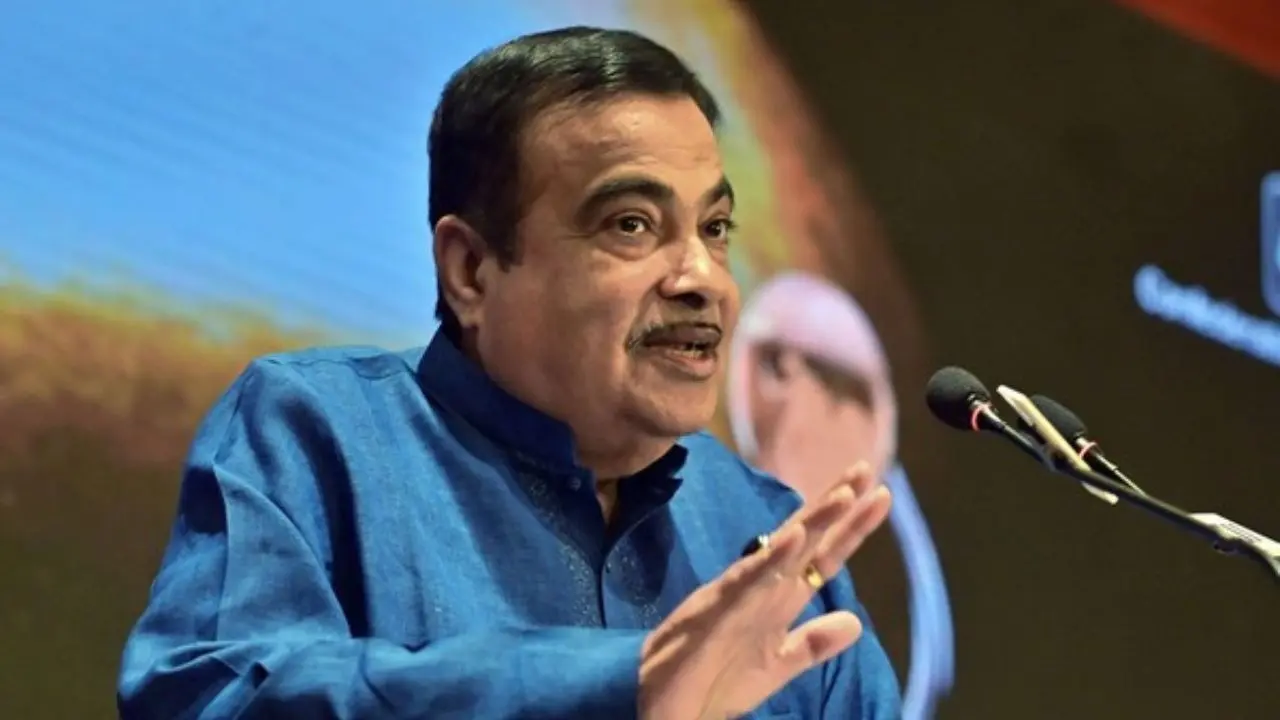
New Delhi – In a move to eliminate traffic bottlenecks in the national capital, Union Minister for Road Transport and Highways Nitin Gadkari today inaugurated the city’s first barrier-less tolling system. Located at the Mundka-Bakkarwala plaza on the Urban Extension Road-II (UER-II), the new Multi-Lane Free Flow (MLFF) system allows vehicles to pass through at highway speeds without the need to stop for physical toll booths.
This launch marks Delhi as the second city in India to adopt the technology, following the successful implementation of a similar system at the Choryasi toll plaza in Gujarat earlier this month.
Technology and benefits
The MLFF system replaces traditional barriers with high-speed Automatic Number Plate Recognition (ANPR) cameras and advanced FASTag readers.
This combination ensures that toll fees are deducted electronically while vehicles maintain speeds of up to 80 kmph. The primary objectives of the barrier-less initiative include:
Reduction in Congestion: Eliminating the stop-and-go delays that typically occur at toll plazas, particularly during peak hours.
Fuel and Time Efficiency: The Ministry estimates that stop-free travel will save approximately ₹1,500 crore annually in fuel costs across the country once fully implemented.
Environmental Impact: Lowering vehicular emissions by reducing idling time at toll points.
National rollout and future plans
Speaking at the inauguration, Minister Gadkari emphasized that this is an important step toward the government's vision of a "zero-wait" highway network. The National Highways Authority of India (NHAI) has already identified 17 fee plazas across nine states—including Haryana, Rajasthan, Maharashtra, and Tamil Nadu—to be upgraded to the MLFF system by September 2026. "Our goal is to make the entire national highway network barrier-free by the end of 2026," Gadkari said. The second phase of the rollout is expected to cover an additional 108 plazas by March 2027.
Advertisement
Get Current Updates on India News, Entertainment News, Cricket News along with Latest News and Web Stories from India and around the world.