
PM Modi Inaugurates Ganga Expressway: 5 Big Things to Know About UP’s Longest Highway
Prime Minister Narendra Modi has inaugurated the 594 km Ganga Expressway, one of India’s longest highways, connecting Meerut to Prayagraj. The project slashes travel time from 12 hours to just 6–7 hours, introduces smart tolling, modern facilities, and even an emergency airstrip.
- India News
- 2 min read

;'%3e%3cpath%20d='m8,15.99c4.41,0,7.99-3.58,7.99-7.99S12.41,0,8,0,0,3.59,0,8s3.58,7.99,7.99,7.99Z'%20style='stroke:%23fff;%20stroke-miterlimit:10;%20stroke-width:.02px;'/%3e%3cpath%20d='m3.08,3.37l3.82,5.11-3.84,4.15h.87l3.37-3.64,2.72,3.64h2.94l-4.04-5.39,3.58-3.87h-.86l-3.1,3.35-2.5-3.35h-2.94Zm1.27.64h1.35l5.97,7.99h-1.35l-5.97-7.99Z'%20style='fill:%23fff;'/%3e%3c/g%3e%3c/svg%3e)


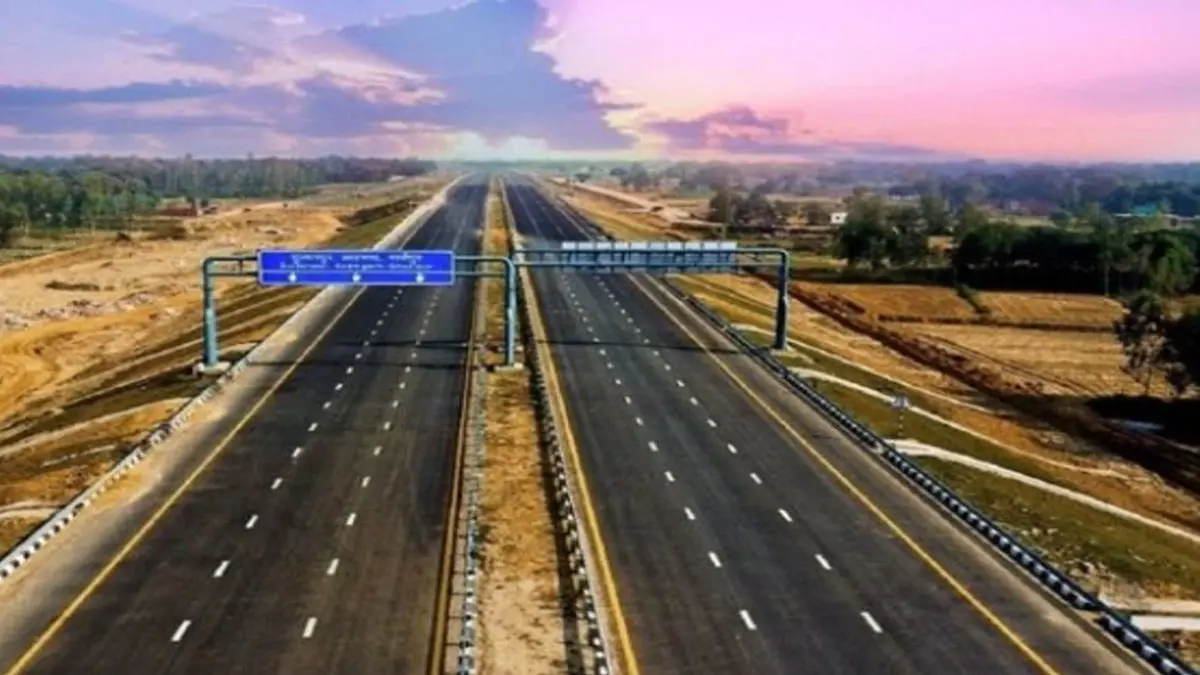
Ganga Expressway: Prime Minister Narendra Modi has inaugurated the long-awaited Ganga Expressway, a massive road project aimed at cutting travel time across Uttar Pradesh and boosting connectivity between its western and eastern regions.
Stretching close to 600 km, the expressway links Meerut to Prayagraj, turning what used to be a long, tiring road journey into a much faster corridor. Built by the Uttar Pradesh Expressways Industrial Development Authority, the project has been in the works for several years and is now one of the state’s biggest infrastructure upgrades.
Here are five key takeaways from the project:
1. One of India’s longest expressways
At nearly 594 km, the Ganga Expressway is among the longest access-controlled highways in India. It runs through 12 districts, connecting major regions across the state in a single uninterrupted stretch.
Advertisement
2. Travel time drops sharply
The biggest impact will be on travel time. A journey between Meerut and Prayagraj that earlier took 10–12 hours is now expected to take around 6–7 hours, thanks to smoother traffic flow and fewer interruptions.
Advertisement
3. Built for speed and future expansion
The highway is currently six lanes wide but has been designed to expand to eight lanes as traffic increases. With a top speed limit of 120 km/h, it is built for high-speed travel, similar to other modern expressways in the country.
4. Smart tolling and multiple entry points
The expressway uses a closed toll system, meaning drivers pay based on the exact distance travelled instead of fixed points. There are two main toll plazas and several entry and exit nodes across the route, helping reduce congestion and unnecessary stops.
5. Facilities beyond just roads
This isn’t just a stretch of asphalt. The project includes dedicated wayside amenities with fuel stations, food courts, restrooms, and rest areas planned at multiple points. These stops are expected to make long-distance travel more comfortable, especially for families and commercial drivers.
Built at an estimated cost of over Rs 36,000 crore, the expressway also includes major bridges, interchanges, and even an emergency airstrip near Shahjahanpur for defence use.
Beyond convenience, the bigger goal is economic. By connecting smaller towns and rural belts to major urban centres, the corridor is expected to improve logistics, support local businesses, and open up new development zones.
Get Current Updates on India News, Entertainment News, Cricket News along with Latest News and Web Stories from India and around the world.