
PM Modi’s ‘Wed In India’ And ‘Meet In India’ Push Powers 12–14% Growth In MICE And Wedding Tourism, Targets Rs 35 Trillion Market Amid Global Uncertainty
India’s travel sector eyes 12–14% growth in MICE and weddings, with domestic tourism hitting 3 billion visits and Rs 35 trillion by 2029 as TTF Mumbai 2026 opens, while Rajasthan records 9.6% rise in arrivals.
- India News
- 6 min read

;'%3e%3cpath%20d='m8,15.99c4.41,0,7.99-3.58,7.99-7.99S12.41,0,8,0,0,3.59,0,8s3.58,7.99,7.99,7.99Z'%20style='stroke:%23fff;%20stroke-miterlimit:10;%20stroke-width:.02px;'/%3e%3cpath%20d='m3.08,3.37l3.82,5.11-3.84,4.15h.87l3.37-3.64,2.72,3.64h2.94l-4.04-5.39,3.58-3.87h-.86l-3.1,3.35-2.5-3.35h-2.94Zm1.27.64h1.35l5.97,7.99h-1.35l-5.97-7.99Z'%20style='fill:%23fff;'/%3e%3c/g%3e%3c/svg%3e)


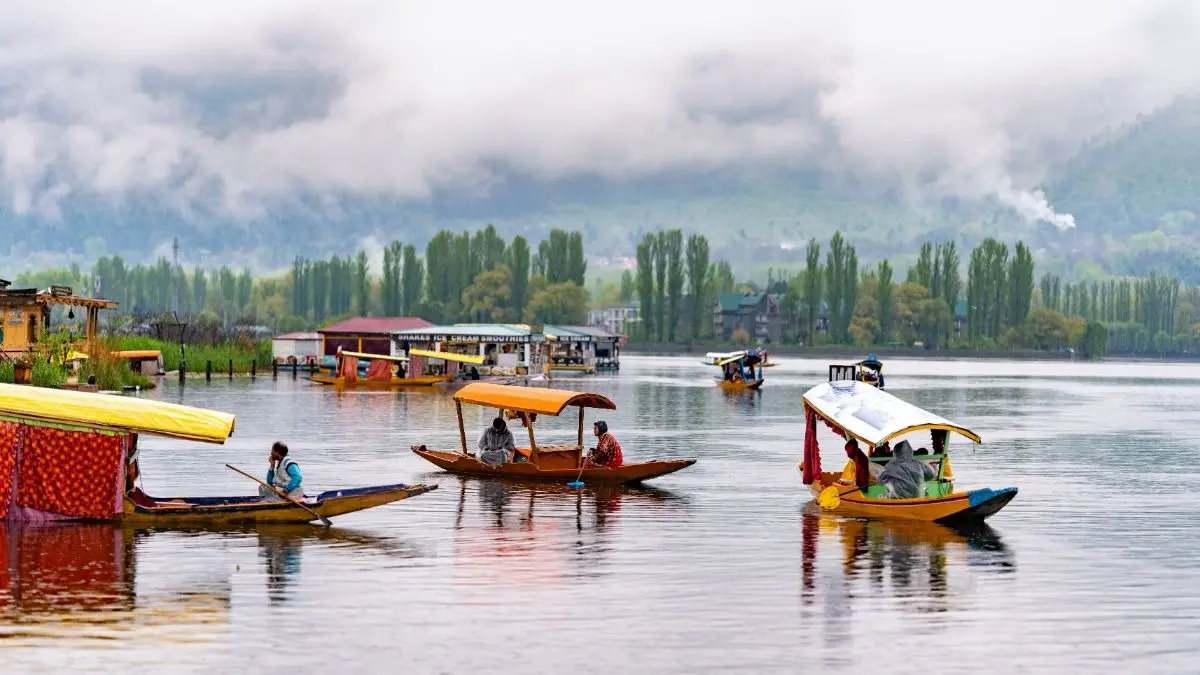
Mumbai: India’s MICE and destination wedding market has emerged as one of the most dynamic engines of the country’s hospitality and tourism economy under the Prime Minister Narendra Modi government. Over the last decade, targeted policy support, infrastructure upgrades and global branding campaigns have repositioned India not just as a leisure destination, but as a preferred hub for business gatherings and large-scale celebrations. India’s offering now ranges from heritage forts in Rajasthan and coastal properties in Goa to mountain retreats in the Himalayas and state-of-the-art convention centres in Greater Noida, Delhi and Mumbai, enabling the nation to host both small board meetings and grand 500-person weddings back-to-back.
Importantly, the growth has been accelerated by PM Modi's ‘Wed in India’ and ‘Meet in India’ initiatives, which were launched to capture a larger share of outbound Indian weddings and global corporate events. The push has been complemented by major investments in air connectivity, the expansion of regional airports under the UDAN scheme, new expressways, and the development of convention infrastructure, making destinations from Udaipur and Jaipur to Kochi, Varanasi and Greater Noida far more accessible to both domestic corporates and international planners. As a result, state tourism boards are reporting record enquiries, with planners citing India’s blend of cultural richness, modern amenities and competitive pricing as key draws.
The impact is being felt across the tourism economy, with MICE and weddings generating high-value, year-round footfall that supports hotels, aviation, local artisans, logistics and the creative industry, turning a 3-day event into a multiplier for jobs and state revenues. The Modi government is aiming to convert India's demographic and cultural advantage into economic outcomes, which include driving domestic consumption, attracting foreign exchange and moving the country closer to its goal of becoming one of the world's top 4 tourism economies in the next decade, by positioning various segments at the centre of the tourism strategy.
The MICE segment is being driven by corporates, global capability centres and industry associations that are choosing Indian cities for conferences, incentives and leadership offsites. Tier-1 cities like Delhi, Mumbai, Bengaluru and Hyderabad provide large-scale convention infrastructure, while emerging hubs are pitching themselves for mid-size incentive trips with cultural experiences built in. At the same time, the destination wedding sector continues to draw high-value bookings, particularly from the Indian diaspora in the US, UK, Middle East and Southeast Asia. Venues are now offering end-to-end packages that include design, entertainment, logistics and livestreaming, turning a three-day celebration into a full tourism cycle that benefits local vendors, artisans and hotels.
Advertisement
Role Of Festivity In Travel Industry
India’s travel industry is heading into the festive and winter season with strong domestic momentum, even as global uncertainties weigh on outbound traffic. The industry leaders gathered at TTF Mumbai 2026 emphasised that rising disposable incomes, shifting visa rules and growing appetite for experiential travel are fuelling demand, particularly in MICE and destination weddings. They noted that while higher aviation fuel costs and the West Asia crisis are creating pressure for international trips, India’s own market is acting as a powerful buffer.
The optimism was evident on the opening day of the 3-day trade show, held from August 20 to 22 at the Jio World Convention Centre in Mumbai and organised by Fairfest Media Limited. The latest edition has brought together over 500 exhibitors, 20 States and Union Territories (UTs) and participants from 5 countries, with over 10,000 trade visitors expected.
Advertisement
The show was inaugurated in the presence of senior officials from state tourism boards and leading travel trade associations. This year Rajasthan, Kerala, Jammu & Kashmir, Madhya Pradesh and Karnataka are anchoring the showcase as Partner States, while West Bengal, Delhi and Sikkim feature as feature states.
MICE And Weddings Lead Next Phase Of Growth
Dr Nitin Mittal, National Coordinator of the Network of Indian MICE Association, said that the segment is seeing major traction. “India’s MICE and destination-wedding industry is witnessing strong momentum, with corporate MICE growing by 10–15% year-on-year and destination weddings expanding at an even faster 15–20%, taking the combined segment to around 12–15% growth over the previous year,” he said, adding that while Delhi NCR, Mumbai, Bengaluru, Hyderabad and Chennai remain dominant, Tier-2 and Tier-3 cities such as Goa, Udaipur, Jaipur, Kochi, Varanasi and Indore are gaining ground due to better infrastructure, cultural appeal and cost benefits.
Looking ahead, Dr Mittal projected annual growth of 12–14% for the next 3–5 years, stressing that improving connectivity, simplifying visas, setting up city-level convention bureaus and offering incentives for global events will be key to establishing India as a top MICE and wedding destination.
Rajasthan Reports 9.6% Rise, Expands Beyond Traditional Hubs
Joint Director at the Department of Tourism (Rajasthan) Seema Yadav shared fresh state data. “Rajasthan’s tourism sector continues to demonstrate strong growth, with total tourist visits rising from 2321.57 lakh in 2024 to 2544.49 lakh in 2025, registering 9.6% growth,” she said. Domestic visits were the main driver, up 9.74% to 2525.03 lakh.
She added that the state is now pushing beyond the established circuits, with new focus areas including rural, eco, adventure, water sports at Kota Barrage and heritage tourism, with destinations like Ramgarh Crater, Sambhar Lake, Jhamarkotra and Zawar being developed along with several rural tourism circuits. Rajasthan expects domestic arrivals to grow by around 10% annually over the next five years, and foreign arrivals by 6–8% annually.
Domestic Market Remains The Strongest Story
Sanjiv Agarwal, Fairfest Media Limited chairman, summed up the mood, saying, “The world’s travel headlines may look uncertain, but India’s answer has been to travel at home and to travel more than ever…..Domestic tourism is the strongest story in world travel today, and Mumbai is where that market concentrates: the country’s financial capital, its biggest aviation gateway, and its highest-value source of travellers. The three days ahead are the trade’s last big marketplace before the festive and winter season, and the energy on the floor this morning says the season will be a strong one. My thanks to the exhibitors, Partner and Feature States, buyers and association partners who have made this edition our biggest in Mumbai yet.”
The industry data backs the sentiment, as India recorded close to 3 billion domestic tourist visits in 2024, with domestic spending leading post-pandemic recovery according to the World Travel & Tourism Council. The projections now place the domestic tourism market at around Rs 35 trillion by 2029, as most Indian travellers plan to increase their travel budgets. With global conditions nudging people to explore closer to home, stakeholders expect the upcoming festive and winter season to be among the strongest, with Western India led by Mumbai continuing to be the most important source market.
Get Current Updates on India News, Entertainment News, Cricket News along with Latest News and Web Stories from India and around the world.