
Spiralling Inflation and Global Conflict Leave Kashmir’s Eid Markets in Distress
The festive anticipation of Eid in Kashmir has been overshadowed by unease, as spiralling inflation and the shadow of the Iran–US conflict mute celebrations across the Valley. Once-bustling bazaars now stand subdued, reflecting both economic strain and consumer anxiety.
- India News
- 2 min read

;'%3e%3cpath%20d='m8,15.99c4.41,0,7.99-3.58,7.99-7.99S12.41,0,8,0,0,3.59,0,8s3.58,7.99,7.99,7.99Z'%20style='stroke:%23fff;%20stroke-miterlimit:10;%20stroke-width:.02px;'/%3e%3cpath%20d='m3.08,3.37l3.82,5.11-3.84,4.15h.87l3.37-3.64,2.72,3.64h2.94l-4.04-5.39,3.58-3.87h-.86l-3.1,3.35-2.5-3.35h-2.94Zm1.27.64h1.35l5.97,7.99h-1.35l-5.97-7.99Z'%20style='fill:%23fff;'/%3e%3c/g%3e%3c/svg%3e)


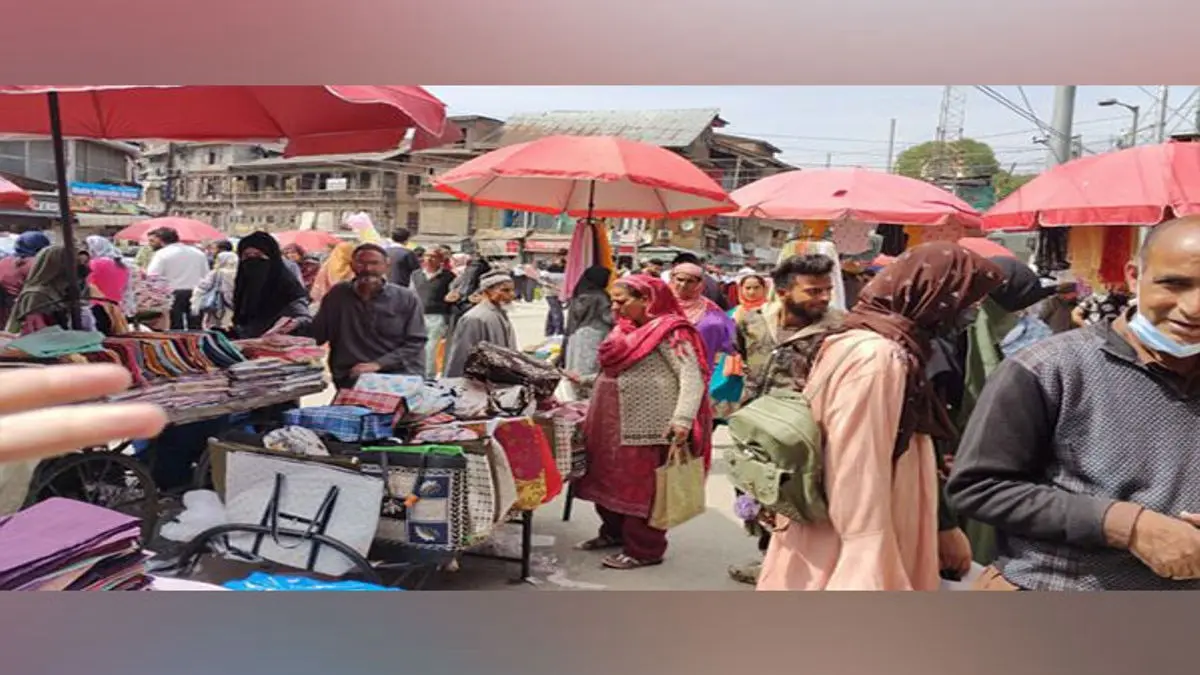
Srinagar: The festive anticipation of Eid in Kashmir has been overshadowed by unease, as spiralling inflation and the shadow of the Iran–US conflict mute celebrations across the Valley. Once-bustling bazaars now stand subdued, reflecting both economic strain and consumer anxiety.
At Srinagar’s Eidgah grounds, the Valley’s largest marketplace for sacrificial animals, traders wait anxiously for buyers who rarely appear.
“For years, this ground would be overflowing with customers weeks before Eid. Today, we sit idle,” said livestock seller Shabir Dar.
Rising fuel costs have sharply increased transportation expenses, pushing animal prices beyond the reach of ordinary families.
Advertisement
“We are struggling to negotiate even a single sale. Still, we hold on to hope that in the final days before Eid, people will come forward, Insha Allah,” he added.
“Every year, I would buy two goats without thinking twice. This time, each animal costs at least Rs 5,000 more than last year. Sacrifice is a religious obligation, but families are cutting down on other expenses just to fulfil this duty,” Mohammad Yousuf, a resident of downtown Srinagar.
Advertisement
However, the strain extends beyond livestock. Bakery shops and textile outlets report similar declines.
“In earlier years, people would buy boxes of cakes and bread in bulk. This season, customers come in, ask prices, and leave empty-handed. Parents are even hesitant to buy new clothes for their children,” said Zahoor Ahmad, a bakery owner.
Meanwhile, Kashmir’s export-driven handicraft sector has suffered cancellations of overseas orders, leaving thousands of artisans without work. Trade associations estimate a 50–70% decline in sales compared to previous years.
Kashmir Chamber of Commerce and Industry has appealed for government intervention, citing inflation, disrupted supply chains, and shrinking consumer confidence.
“Even when there are crowds, the actual buying is minimal. People are afraid to spend, and the markets reflect that fear,” a shopper Irfan Malik.
“Families who once spent freely on garments are now diverting money to charity or keeping it aside for emergencies. Luxury purchases have almost disappeared,” said textile trader Abdul Rashid.
Get Current Updates on India News, Entertainment News, Cricket News along with Latest News and Web Stories from India and around the world.