
Strait of Hormuz Remains Shut, But Indian Vessels Continue Transit Amid Tight Monitoring | Here's Why
Despite disruptions in the Strait of Hormuz, Indian vessels are navigating through it under strict safety assessments. While maritime traffic has declined due to regional conflict, Indian authorities affirm that international navigation norms apply.
- India News
- 2 min read

;'%3e%3cpath%20d='m8,15.99c4.41,0,7.99-3.58,7.99-7.99S12.41,0,8,0,0,3.59,0,8s3.58,7.99,7.99,7.99Z'%20style='stroke:%23fff;%20stroke-miterlimit:10;%20stroke-width:.02px;'/%3e%3cpath%20d='m3.08,3.37l3.82,5.11-3.84,4.15h.87l3.37-3.64,2.72,3.64h2.94l-4.04-5.39,3.58-3.87h-.86l-3.1,3.35-2.5-3.35h-2.94Zm1.27.64h1.35l5.97,7.99h-1.35l-5.97-7.99Z'%20style='fill:%23fff;'/%3e%3c/g%3e%3c/svg%3e)


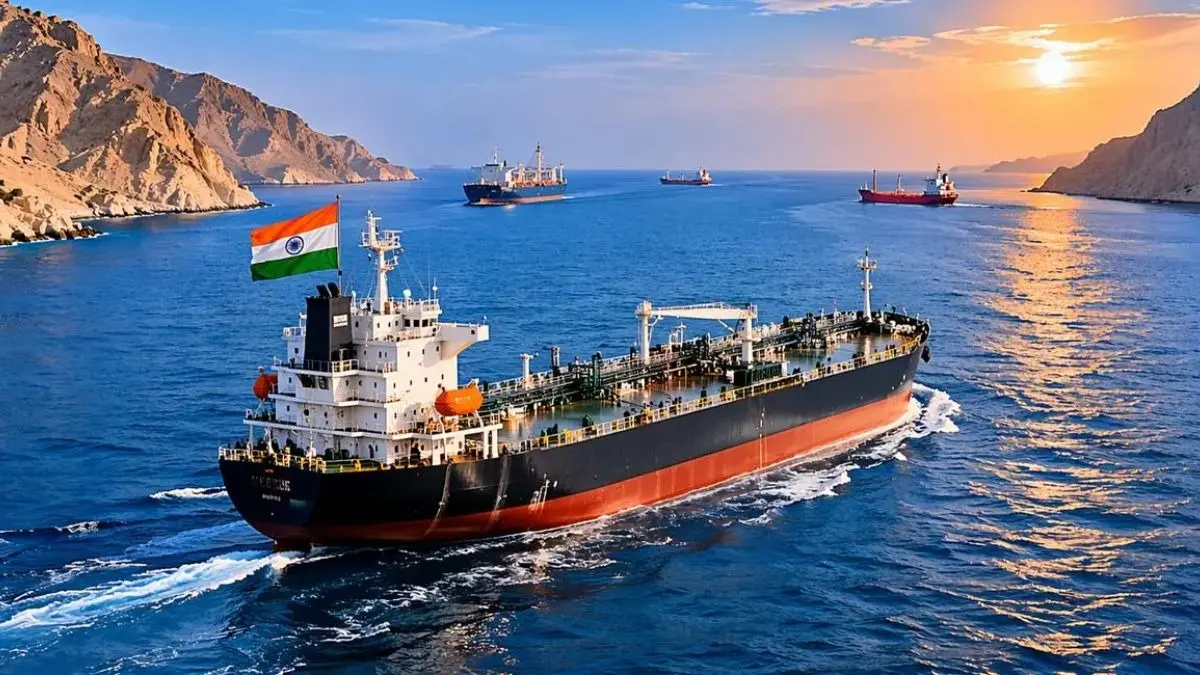
New Delhi: Despite the ongoing disruption in the strategically crucial Strait of Hormuz, the Centre has clarified that Indian vessels continue to sail through the corridor under strict safety assessments and coordinated monitoring, even as commercial shipping remains severely impacted.
The Strait of Hormuz, one of the world's most important energy chokepoints through which a significant portion of global crude oil and LNG supplies pass, has witnessed a sharp decline in maritime traffic amid the ongoing regional conflict involving Iran, the US and Israel.
While Iran has imposed restrictions and heightened security measures in the region, Indian authorities maintain that international navigation norms allow vessels to transit the strait and that no formal permission is required for passage.
According to government officials, Indian shipping companies and charterers are taking transit decisions based on evolving security conditions, insurance risks and operational assessments. Several Indian-flagged LPG carriers and tankers have successfully crossed the strait in recent weeks carrying critical energy supplies to India.
Advertisement
The Centre has been closely coordinating with diplomatic missions, maritime authorities and regional stakeholders to ensure the safety of Indian ships and seafarers.
Officials have said all Indian vessels operating in the Persian Gulf region remain under constant watch, with authorities maintaining communication channels with concerned countries and shipping operators.
Advertisement
The crisis has, however, led to major disruptions. Industry bodies say commercial traffic through the strait remains far from normal, with war-risk insurance premiums surging and several vessels stranded or operating under heightened caution. Shipping companies continue to weigh the risks before allowing vessels to enter the corridor.
The Strait of Hormuz is particularly critical for India as a substantial share of the country's crude oil, LPG and natural gas imports pass through the route.
Any prolonged disruption could have significant implications for energy security and shipping costs, prompting the government to intensify diplomatic and logistical efforts to keep essential cargo moving.
Get Current Updates on India News, Entertainment News, Cricket News along with Latest News and Web Stories from India and around the world.