
Tejpal's 2013 Apology Email Resurfaces as Key Evidence in Rape Conviction
"A Moment of Insanity": The Letter That Undercut Tejpal's Defence in Court
- India News
- 3 min read

;'%3e%3cpath%20d='m8,15.99c4.41,0,7.99-3.58,7.99-7.99S12.41,0,8,0,0,3.59,0,8s3.58,7.99,7.99,7.99Z'%20style='stroke:%23fff;%20stroke-miterlimit:10;%20stroke-width:.02px;'/%3e%3cpath%20d='m3.08,3.37l3.82,5.11-3.84,4.15h.87l3.37-3.64,2.72,3.64h2.94l-4.04-5.39,3.58-3.87h-.86l-3.1,3.35-2.5-3.35h-2.94Zm1.27.64h1.35l5.97,7.99h-1.35l-5.97-7.99Z'%20style='fill:%23fff;'/%3e%3c/g%3e%3c/svg%3e)


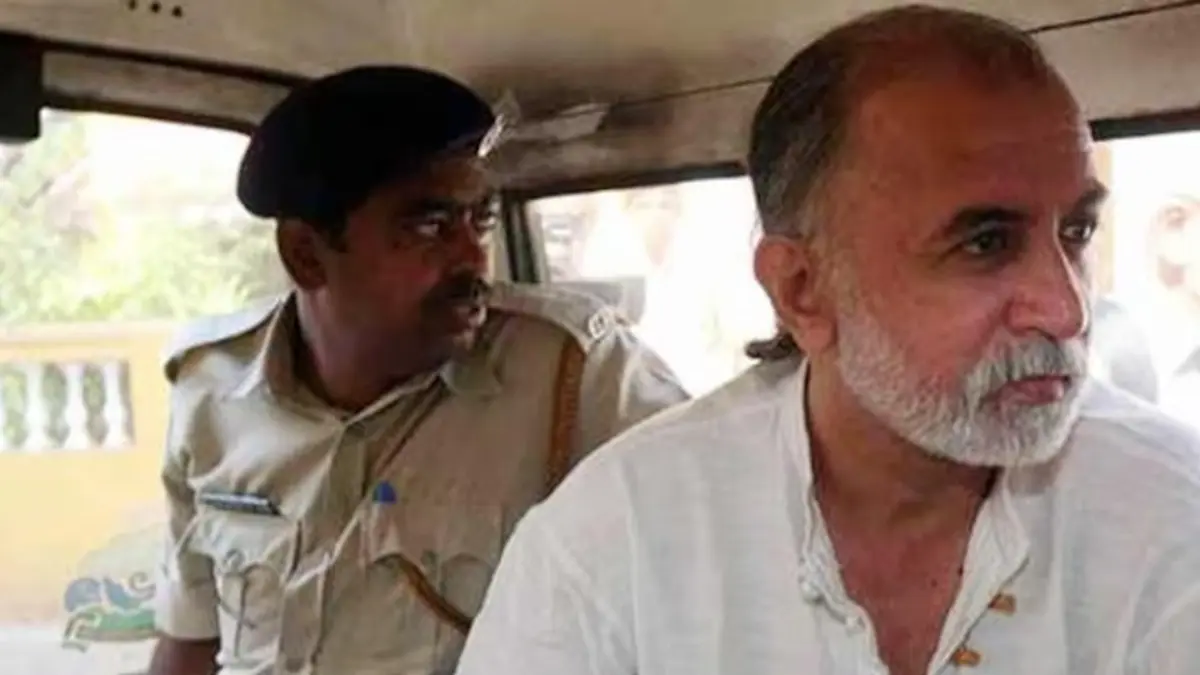
As the Bombay High Court's rape conviction of Tarun Tejpal reverberates through India's legal and media circles, attention is turning to evidence prosecutors say should have settled the matter years ago: a message the former Tehelka editor sent his accuser within days of the alleged assault.
A Written Admission
The email, dated November 19, 2013, reached Tejpal's junior colleague roughly a week after the events she described inside a Goa hotel elevator. He described the pain of realising he had broken a relationship built on years of mutual trust, and offered an unreserved apology for what he called a serious error in judgment. He admitted attempting to initiate something sexual with her on two separate occasions, November 7 and November 8, even though she had shown no interest and had made her discomfort obvious.
A Remark Made, Then Withdrawn
He also responded to something she had apparently confronted him about directly: that he had used his standing as editor to pressure her. He didn't deny saying something along those lines in the moment, but claimed he corrected himself almost instantly, telling her no personal relationship of his carried that kind of weight. Whether this walk-back mattered much given the power dynamic already at play became one of the more debated points as the case moved through the courts.
Calling It Insanity, While Refusing to Hide Behind It
One line from the letter has followed Tejpal for over a decade: his own suggestion that what happened felt like a lapse into temporary madness, immediately followed by his insistence that he wouldn't use that framing to avoid owning what he'd done. He pointed to his own history speaking out on women's issues as part of what made his behaviour feel so at odds with who he believed himself to be, and said the responsibility for it rested with him alone.
Advertisement
Why This Document Kept Coming Back
For years, prosecutors treated this letter as close to a confession in writing, and argued that the 2021 acquittal turned partly on the trial court's decision not to accept it as freely given. That call drew significant backlash from legal observers, many of whom felt the case had spent more energy questioning the survivor's behaviour than weighing what the accused had already put in writing.
Now, with the acquittal reversed, the letter is back at the centre of the conversation; the same evidence critics say was wrongly pushed aside the first time around. A decision on sentencing is still to come, and the letter may well surface again when it does.
Advertisement
Get Current Updates on India News, Entertainment News, Cricket News along with Latest News and Web Stories from India and around the world.