
With an AQI of 605, Delhi-NCR Chokes as Air Quality Plunges to ‘Very Poor’ and ‘Severe’ Categories
According to data from the Central Pollution Control Board (CPCB), the 24-hour average Air Quality Index (AQI) stood at a punishing 379, with several localised monitoring stations crossing the critical 400 mark into hazardous territory.
- India News
- 2 min read


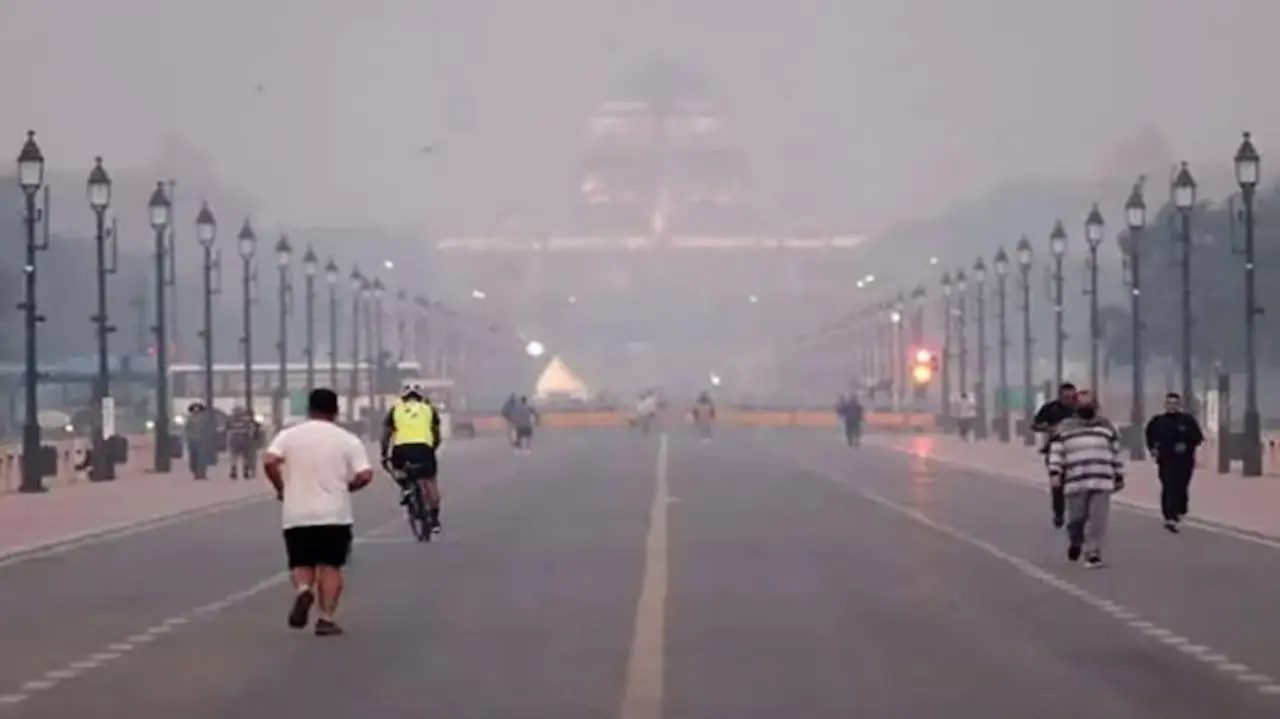
New Delhi: Delhi woke up to hazardous air quality on Wednesday, with the overall Air Quality Index (AQI) touching 605 at 7:41 AM, plunging deep into the "very poor" and "severe" categories as a thick, toxic haze blanketed the region.
According to data from the Central Pollution Control Board (CPCB), the 24-hour average Air Quality Index (AQI) stood at a punishing 379, with several localised monitoring stations crossing the critical 400 mark into hazardous territory.
The severe spike has triggered immediate health concerns for millions of residents, reducing visibility across major thoroughfares and enveloping skyline landmarks in grey smog.
Pockets across the national capital—including Jahangirpuri, Rohini, Punjabi Bagh, and Wazirpur—recorded extreme readings well above 400, posing acute health risks even to healthy individuals.
Advertisement
Neighbouring satellite cities within the National Capital Region, such as Gurugram, Noida, Ghaziabad, and Faridabad, mirrored similar hazardous conditions, reporting dense particulate pollution driven heavily by elevated concentrations of PM2.5 and PM10.
Environmental authorities point to a combination of unfavourable meteorological conditions, falling local temperatures, low wind speeds, and seasonal contributors—such as regional stubble burning—as primary catalysts for the sudden plunge.
Advertisement
With winter settling in and festive emissions compounding the crisis, local air traps are intensifying rapidly.
In response to the deteriorating crisis, the Commission for Air Quality Management (CAQM) has enforced stringent emergency measures under Stage II of the Graded Response Action Plan (GRAP).
Authorities have ramped up mechanised road sweeping, water sprinkling on dust-prone corridors, and strict inspections of construction sites and vehicular emissions.
Local administrations have also urged citizens to minimise outdoor exertion, carpool, or rely on public transit to curb vehicular pollution.
Meteorological forecasts indicate that relief may not arrive immediately, as stagnant wind patterns are expected to persist over the coming days, keeping Delhi-NCR's air trapped in the hazardous zone.
Get Current Updates on India News, Entertainment News, Cricket News along with Latest News and Web Stories from India and around the world.