
Dharavi Transformation: Modern Masterplan Draws Inspiration from London and Singapore Models
The Dharavi Redevelopment Project is set to transform Mumbai’s iconic district into a modern, integrated township by 2028. Moving beyond mere housing, the masterplan incorporates global urban design principles, drawing inspiration from London’s walkability and Singapore’s riverfront rejuvenation.
- Initiatives News
- 2 min read

;'%3e%3cpath%20d='m8,15.99c4.41,0,7.99-3.58,7.99-7.99S12.41,0,8,0,0,3.59,0,8s3.58,7.99,7.99,7.99Z'%20style='stroke:%23fff;%20stroke-miterlimit:10;%20stroke-width:.02px;'/%3e%3cpath%20d='m3.08,3.37l3.82,5.11-3.84,4.15h.87l3.37-3.64,2.72,3.64h2.94l-4.04-5.39,3.58-3.87h-.86l-3.1,3.35-2.5-3.35h-2.94Zm1.27.64h1.35l5.97,7.99h-1.35l-5.97-7.99Z'%20style='fill:%23fff;'/%3e%3c/g%3e%3c/svg%3e)


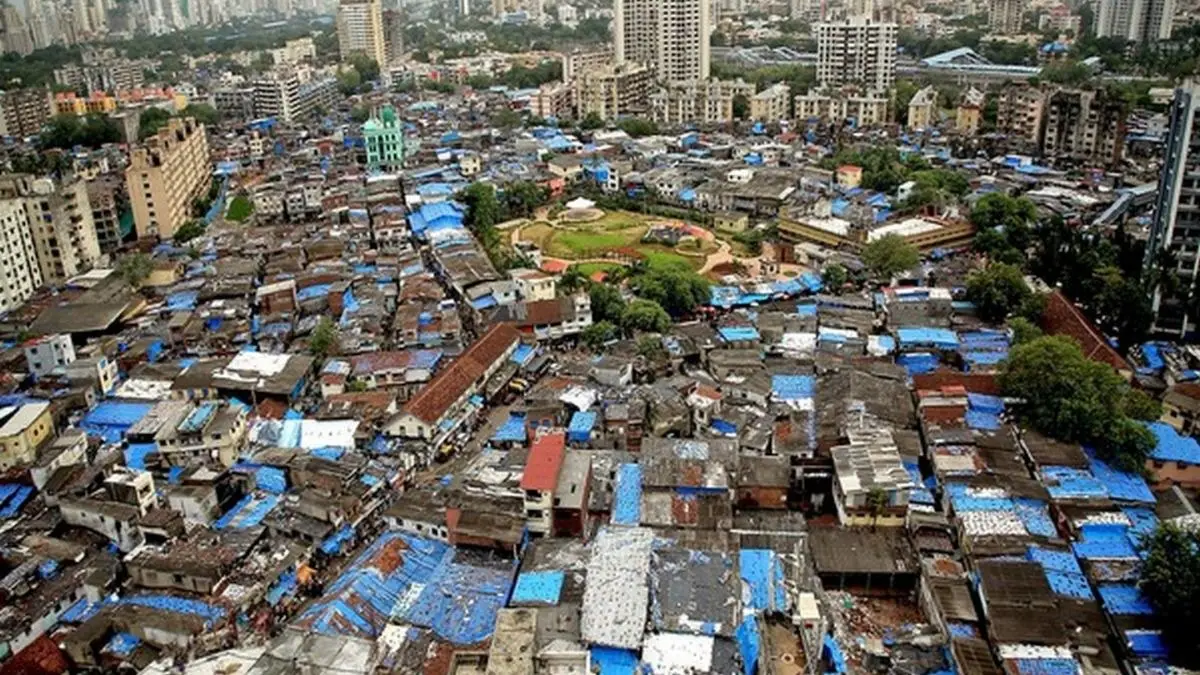
The Dharavi Redevelopment Project aims to shift the narrative from slum rehabilitation to integrated urban renewal. With the first phase scheduled for completion by March 2028, the government and its partners are focused on creating a neighborhood where infrastructure meets human-centric design. The core objective is to ensure that essential amenities, workplaces, and transit hubs are accessible on foot, reducing the dependency on vehicular traffic.
Planners are looking toward world-class benchmarks to reshape Dharavi. By studying neighborhoods like London’s King’s Cross, the project emphasizes seamless connectivity where homes and offices coexist in high-density, pedestrian-friendly zones.
A central feature of this renewal is the transformation of the Mithi River. Mirroring Singapore’s success with the Marina Bay area, the project intends to convert the riverbank into a green public spine. This move aims to turn a neglected stretch into a hub for community gatherings, cycling, and leisure.
Integrated Work and Home Spaces
Following successful mixed-use models seen in cities like Dubai and Bangkok, Dharavi’s new script prioritizes keeping livelihoods close to home. The masterplan utilizes a blend of vertical development and horizontal integration to maximize land usage. By housing healthcare, retail, and workspace within residential clusters, the project intends to lower daily commute stress and boost the local economy.
Advertisement
CM Devendra Fadnavis has reiterated that the unique identity and livelihood of Dharavi’s residents remain at the project's core. Beyond physical construction, the initiative seeks to foster social mobility. By providing better infrastructure, open public spaces, and enhanced transit connectivity, the government aims to bridge the gap between the informal economy and the formal city structure, ensuring residents are better connected to Mumbai’s growth story.