
Whiteheads Vs Blackheads: What Are The Causes And How To Treat Them
Whiteheads and blackheads are two common types of acne that occur when pores become clogged with oil and dead skin cells.
- Lifestyle News
- 2 min read

;'%3e%3cpath%20d='m8,15.99c4.41,0,7.99-3.58,7.99-7.99S12.41,0,8,0,0,3.59,0,8s3.58,7.99,7.99,7.99Z'%20style='stroke:%23fff;%20stroke-miterlimit:10;%20stroke-width:.02px;'/%3e%3cpath%20d='m3.08,3.37l3.82,5.11-3.84,4.15h.87l3.37-3.64,2.72,3.64h2.94l-4.04-5.39,3.58-3.87h-.86l-3.1,3.35-2.5-3.35h-2.94Zm1.27.64h1.35l5.97,7.99h-1.35l-5.97-7.99Z'%20style='fill:%23fff;'/%3e%3c/g%3e%3c/svg%3e)


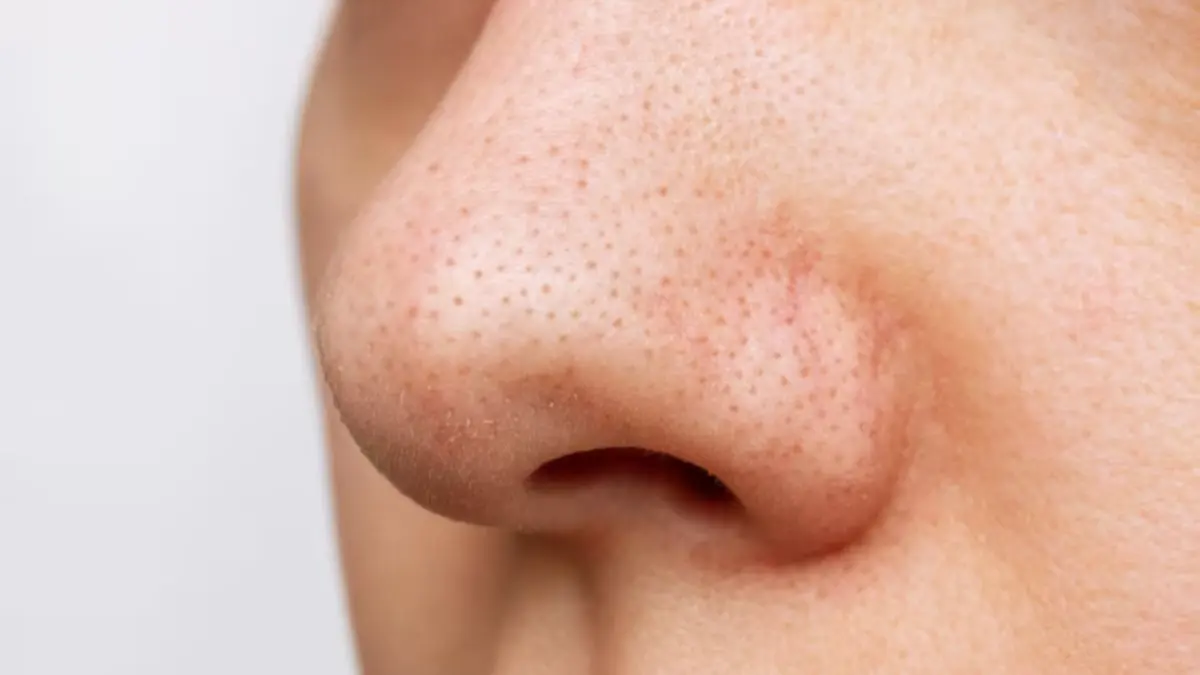
Acne affects individuals of all ages. They appear in various forms, including whiteheads and blackheads. Both develop when hair follicles are blocked, but they differ in formation and appearance. Even though acne is not a serious health issue, it can be frustrating to manage.
What are whiteheads?

Whiteheads are a form of acne that occurs when oil and dead skin cells clog hair follicles, creating a closed bump on the skin. These bumps, commonly referred to as comedones, appear as small white or flesh-colored elevations. Unlike some other types of acne, whiteheads are typically painless and easy to remove.
What are blackheads?
Blackheads are known as open comedones. They develop when pores become clogged with oil, dead skin, and dirt, but remain open. The dark colouration isn't caused by dirt. Rather, it's the result of exposure to oxygen. This exposure initiates the oxidation process. The oxidation transforms these pores into shades of dark brown and deep black.
Causes of whiteheads and blackheads
Excess oil production
Excess oil production causes acne. When overactive sebaceous glands produce too much sebum, this oil mixes with dead skin cells and clogs the hair follicle.
Advertisement
Dead skin cells
Dead skin cells sometimes fail to shed properly and instead collect inside the pores.
Hormonal imbalance
An increase in hormone levels during puberty, menstruation, and pregnancy can result in increased oil production. This leads to whiteheads and blackheads.
Advertisement
Use of heavy products
Excess use of makeup products, hair products, and thick oily moisturisers can block pores physically.
Genetics
Individuals with naturally oily skin are more prone to having comedonal acne.
How to treat comedonal acne?
To help keep pores clear and prevent new comedones from forming, look for skincare products containing these ingredients:
Salicylic acid
Salicylic acid penetrates deep into the pores to dissolve excess oil and remove dead skin cells. It is one of the most effective ingredients for treating both whiteheads and blackheads.
Retinoids (Retinol)
Retinoids promote cell turnover and help prevent clogged pores. It reduces the formation of both whiteheads and blackheads over time.
Niacinamide
Niacinamide helps regulate oil production, minimise the appearance of pores, and improve overall skin texture.
Glycolic acid or lactic acid
These exfoliating acids help remove dead skin cells from the skin's surface. It helps keep pores clearer and improve skin smoothness.
Kaolin clay
Kaolin clay absorbs excess oil and helps reduce pore congestion, making it particularly beneficial for oily and blackhead-prone skin.
Benzoyl peroxide
Benzoyl peroxide can be useful when clogged pores become inflamed and develop into acne pimples.