
Kitchen Hacks: Aata, Rice To Spices, 7 Ways To Keep Food Items Safe In Monsoon
The rainy season brings with it certain challenges when it comes to the storage of food items in the kitchen pantry. Here are some easy hacks to stay safe from the humidity and moisture.
- Lifestyle News
- 3 min read

;'%3e%3cpath%20d='m8,15.99c4.41,0,7.99-3.58,7.99-7.99S12.41,0,8,0,0,3.59,0,8s3.58,7.99,7.99,7.99Z'%20style='stroke:%23fff;%20stroke-miterlimit:10;%20stroke-width:.02px;'/%3e%3cpath%20d='m3.08,3.37l3.82,5.11-3.84,4.15h.87l3.37-3.64,2.72,3.64h2.94l-4.04-5.39,3.58-3.87h-.86l-3.1,3.35-2.5-3.35h-2.94Zm1.27.64h1.35l5.97,7.99h-1.35l-5.97-7.99Z'%20style='fill:%23fff;'/%3e%3c/g%3e%3c/svg%3e)


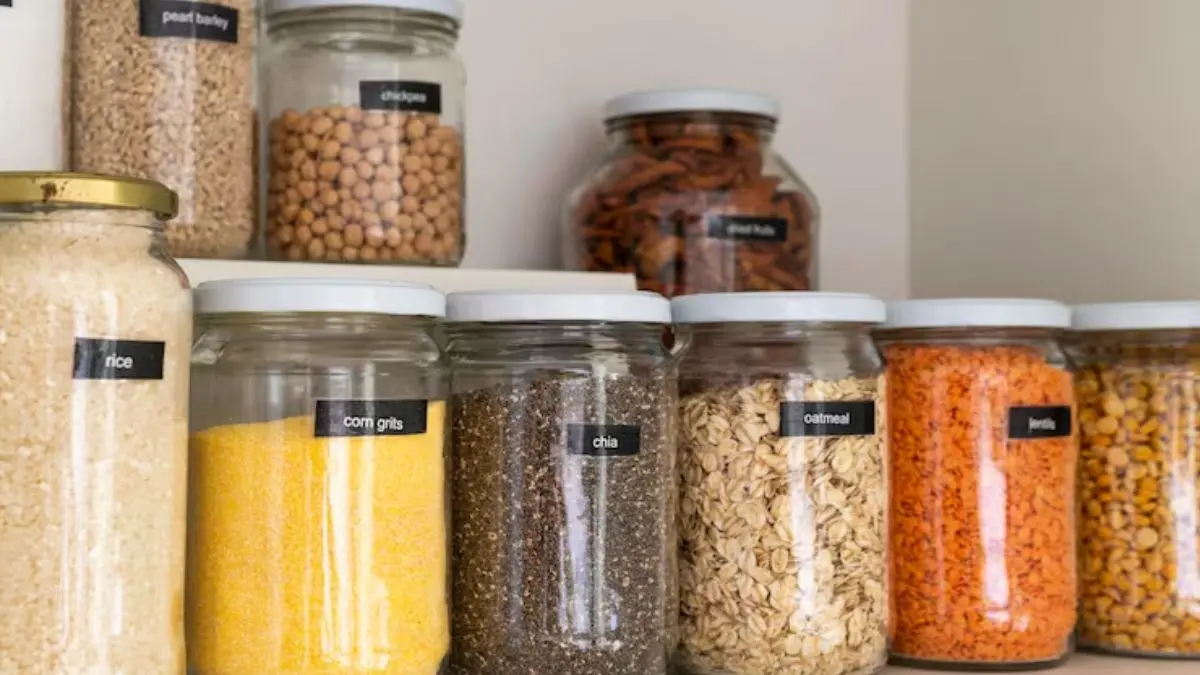
The monsoon season has arrived in most parts of the country and brought relief from the scorching summer heat. While rainy days bring respite to the uncomfortable heat, it also brings some challenges in the kitchen. The increased humidity can lead to develpment of moisture and mould in the kitchen pantry. Dry snacks, flour, rice, sugar and some spices are particularly prone to going bad in the monsoon. Some simple hacks can help increase the shelf life of everyday kitchen items during the rainy season.
Flour should be stored in airtight containers

Aata absorbs moisture quickly, which can lead to lumps, an unpleasant smell, or fungal growth. Transfer flour from its original packaging into an airtight container immediately after purchase. If you buy flour in bulk, divide it into smaller containers to reduce repeated exposure to air and humidity.
Keep rice and dal away from moisture sources
Rice and lentils are prone to insect infestation during humid weather. Store them in airtight glass or food-grade plastic containers in a cool, dry place. Adding a few dried neem leaves or bay leaves to the container is a traditional household practice that may help deter pantry insects. Always ensure the grains are completely dry before storing them.
Keep spices dry
Ground spices lose their aroma and can clump when exposed to humidity. Keep spice jars tightly sealed and avoid using wet spoons while handling them. Whole spices generally stay fresh for longer than powdered ones, so consider grinding them in smaller batches whenever possible.
Advertisement
Use a dry spoon for sugar and salt
Salt and sugar tend to harden during the rainy season due to moisture absorption. Store them in airtight jars and always use a dry spoon to prevent water from entering the container.
Nuts and dry fruits should be refrigerated
Nuts, seeds, and dry fruits contain natural oils that can turn rancid in warm, humid conditions. Refrigerating them in sealed containers helps preserve their flavour and extends their shelf life.
Advertisement
Be mindful of the pantry
Inspect your pantry every week for signs of mould, insects, or unusual odours. Follow the ‘first in, first out’ rule by using older stock before opening newly purchased items. Wipe shelves regularly and keep the storage area clean and dry to minimise moisture build-up.
Do not overbuy
While stocking up can be convenient, buying only the quantity you can use within a reasonable time reduces the risk of spoilage during the monsoon. Fresh supplies are less likely to lose their quality compared to ingredients stored for months in humid conditions.
Also Read: Sawan 2026: When Is First Sawan Somwar? Know Date And Fasting Rules