
Gardening Tips: How To Save Your Withering Plant By Using Epsom Salt?
Epsom salt contains magnesium sulfate, a compound that works to boost chlorophyll production in plants and strengthens their root systems.
- Lifestyle News
- 3 min read

;'%3e%3cpath%20d='m8,15.99c4.41,0,7.99-3.58,7.99-7.99S12.41,0,8,0,0,3.59,0,8s3.58,7.99,7.99,7.99Z'%20style='stroke:%23fff;%20stroke-miterlimit:10;%20stroke-width:.02px;'/%3e%3cpath%20d='m3.08,3.37l3.82,5.11-3.84,4.15h.87l3.37-3.64,2.72,3.64h2.94l-4.04-5.39,3.58-3.87h-.86l-3.1,3.35-2.5-3.35h-2.94Zm1.27.64h1.35l5.97,7.99h-1.35l-5.97-7.99Z'%20style='fill:%23fff;'/%3e%3c/g%3e%3c/svg%3e)


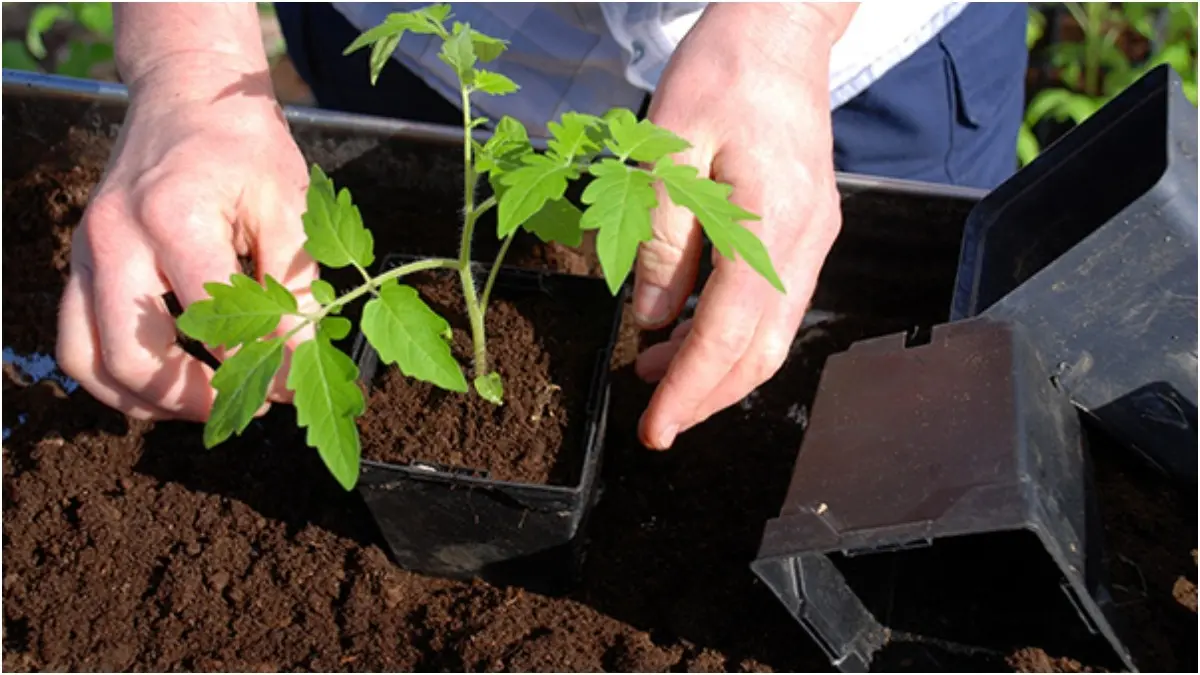
A beautiful and lush garden is not only aesthetically pleasing but also helps maintain good health. However, plants often begin to look lifeless despite receiving the right fertilisers and ample watering. If your roses are blooming small or the leaves on your tomato plants are curling, your plants are in need of specific nutrients. Gardening experts have revealed a very affordable and effective secret to solving this problem: Epsom salt.
This is no ordinary salt, but rather magnesium sulfate, a compound that works to boost chlorophyll production in plants and strengthens their root systems. Whether you need to revive a wilting plant or increase fruit yields, Epsom salt proves to be an excellent booster.

Epsom salt is composed of two primary elements: magnesium and sulfur. Magnesium is essential for the production of chlorophyll in plants. Chlorophyll is the pigment that gives leaves their green color and facilitates the process of converting sunlight into food. Sulfur, on the other hand, empowers plants to synthesise essential vitamins and helps build resistance against diseases. Without these elements, a plant will gradually weaken and begin to wither away.
Advertisement
When a plant goes into shock following a repotting procedure or when its leaves begin to yellow and curl, an Epsom salt spray works like magic. It facilitates cellular regeneration, helping the plant recover from stress. It kickstarts stalled growth and encourages the sprouting of new branches.
Advertisement
How to use Epsom salt?
There are two primary ways for using Epsom salt. First, dissolve 1 teaspoon of Epsom salt in 1 liter of water and spray it onto the leaves in the evening. The leaves absorb it directly, yielding immediate results. Second, loosen the soil in the pot, sprinkle 1 teaspoon of the salt around the roots and then water the plant. Remember to never leave the salt in dry soil. Watering it immediately afterwards is essential.
When is the best time to give Epsom salt to your withering plant?
The ideal time to apply this is once a month, specifically when you are planting a new sapling or when buds are beginning to form on the plant. If you are growing tomatoes, chilies or roses, using this treatment before the fruiting stage can double your yield. Furthermore, during the summer months, when plants often begin to scorch under the intense sun, spraying this solution provides them with much-needed relief.