
Updated 10 October 2020 at 19:53 IST
Venus similar to Earth in the past, pieces of planet may be hiding in the Moon: New study
New research suggests that Earth and Venus used to be very similar to one another and that the moon may contain 'geological time capsules' from Venus
- Science News
- 2 min read

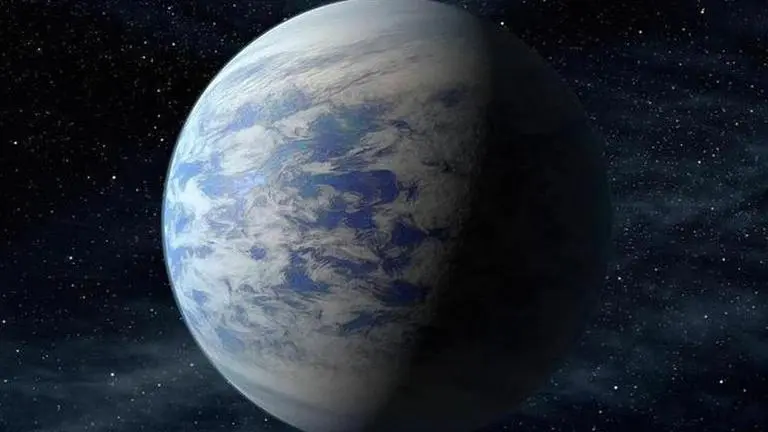
New research suggests that Earth and Venus used to be very similar to one another, but some monumental event in the past changed the planet into the greenhouse-effect driven planet it is today. Scientists believe that the answer to why Venus became the way it did lies in rocks from Venus present on the moon who found their way there as a result of ancient explosions.
Venetian 'geological time capsules' on the Moon
As per research that was published by the Planetary Science Journal, the authors claim that asteroids hitting Venus could have sent ‘geological time capsules’ all the way to Earth and its moon. These time capsules that hold the secrets of Venus would have arrived billions of years ago and would have been much better preserved on the moon.
Advertisement
The researchers believe that Venus in ancient times was much like Earth and even held water in oceans. If that theory holds true, then any geographical time capsules from Venus will hold the geological fingerprint of any ocean Venus sported at the time. The research also claims that as per their calculations and their understanding of the way orbits line up, seven out of every 10,000 pieces of debris that was launched from Venus would land on the moon.
The authors of the research add that since there is no plate tectonics on the moon, and no wind erosions, the debris from Venus could still be present on the surface, albeit buried of mangled by later impacts. Therefore, the researchers state that future moon recognisance missions or even a re-evaluation of the lunar samples we have in our possession now can result in finding Venusian material that was transplanted.
Advertisement
(Image Credits: Nasa.gov)
Published By : Shubham Bose
Published On: 10 October 2020 at 19:53 IST