
Govt Debunks Viral E20 Ethanol Blending Myths; Rejects Claims of Engine Damage, Water Waste or Insurance Risk
The Centre rebutted misinformation about India's E20 ethanol blending programme, refuting claims it damages engines, invalidates insurance, attracts insects, wastes water, or poses safety risks. The Ministry emphasized E20’s scientific validation and extensive testing, confirming no significant engine impact for compatible vehicles.
- Tech News
- 4 min read

;'%3e%3cpath%20d='m8,15.99c4.41,0,7.99-3.58,7.99-7.99S12.41,0,8,0,0,3.59,0,8s3.58,7.99,7.99,7.99Z'%20style='stroke:%23fff;%20stroke-miterlimit:10;%20stroke-width:.02px;'/%3e%3cpath%20d='m3.08,3.37l3.82,5.11-3.84,4.15h.87l3.37-3.64,2.72,3.64h2.94l-4.04-5.39,3.58-3.87h-.86l-3.1,3.35-2.5-3.35h-2.94Zm1.27.64h1.35l5.97,7.99h-1.35l-5.97-7.99Z'%20style='fill:%23fff;'/%3e%3c/g%3e%3c/svg%3e)


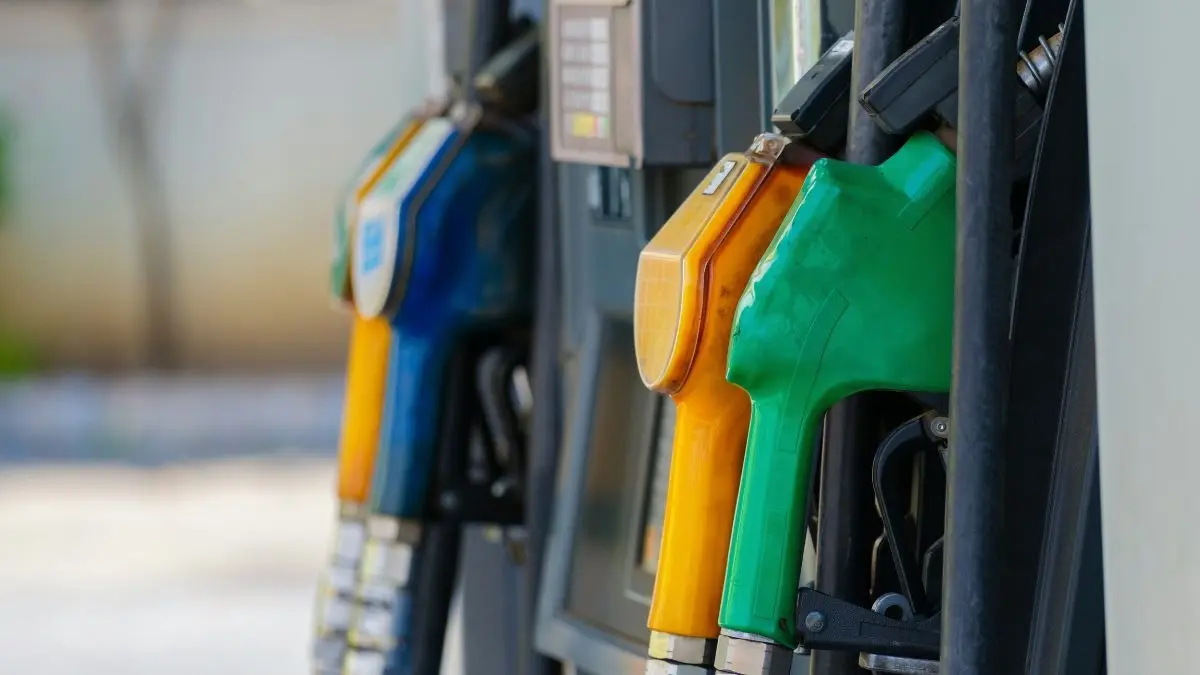
New Delhi: The Centre has issued a detailed rebuttal to what it described as misinformation surrounding India's E20 ethanol blending programme, dismissing viral claims that the fuel damages engines, invalidates vehicle insurance, attracts insects, causes excessive water consumption, or poses safety risks. The clarification comes amid a heated public debate over the nationwide rollout of E20 petrol.
In its "Facts vs Misinformation" campaign, the Ministry of Petroleum and Natural Gas said the Ethanol Blending Programme (EBP) is based on extensive scientific research, technical validation and consultations with oil marketing companies, automobile manufacturers, testing agencies and other stakeholders. It stressed that E20 fuel has undergone rigorous testing before being introduced across the country.
Rejecting claims that E20 petrol causes engine failures or widespread vehicle breakdowns, the government said no such evidence has emerged since the rollout of 20% ethanol blending. Studies by technical agencies, including ARAI in collaboration with Indian Oil, found no significant impact on engine performance in E20-compatible vehicles. The Ministry added that all vehicles manufactured from 2023 onwards are designed to run on E20 fuel.
The government also clarified that while ethanol has lower energy content than petrol, any reduction in mileage is marginal and expected. Petroleum Minister Hardeep Singh Puri said there may be a "minor" drop in fuel efficiency, but dismissed claims of severe mileage loss or major performance issues as misinformation.
Advertisement
Responding to viral social media posts, the Ministry rejected the claim that one litre of ethanol requires 10,000 litres of water to produce. It said ethanol is manufactured using surplus sugarcane, maize, broken rice and other approved feedstocks through regulated industrial processes, and does not compromise food security or involve unsustainable water use.
The Centre also debunked videos claiming sugarcane juice is directly mixed with petrol, calling them misleading. It explained that fuel-grade ethanol is produced through fermentation and distillation and meets stringent quality standards before blending with petrol.
Advertisement
Addressing another viral claim, the government said E20 fuel does not attract ants or insects. Bharat Petroleum Corporation Limited clarified that fuel-grade ethanol contains no residual sugar, while the denaturants used in the fuel are generally repellent to insects.
The Ministry further dismissed claims that using E20 petrol could lead to rejection of vehicle insurance claims, stating there is no such provision. It also rejected assertions that E20 increases the risk of vehicle fires or overheating, saying these claims have no scientific basis.
Highlighting the benefits of the programme, the government said ethanol blending has helped save over ₹1.4 lakh crore in foreign exchange by reducing crude oil imports, strengthened India's energy security, lowered carbon emissions and created additional income opportunities for farmers. It noted that ethanol blending is a globally accepted practice, with countries such as Brazil, the United States and Japan successfully using higher ethanol blends.
The Ministry urged citizens not to rely on misleading social media posts and reiterated that the Ethanol Blending Programme remains a key pillar of India's clean energy and energy security strategy, with decisions guided by scientific evidence, continuous monitoring and stakeholder consultations.