
Journalism vs AI? New York Times Reporter Sues OpenAI, Google, xAI Over Chatbot Training
New York Times reporter and "Bad Blood" author John Carreyrou filed the lawsuit in California federal court with five other writers, accusing the AI companies of pirating their books and feeding them into the large language models (LLMs) that power the companies' chatbots.
- Tech News
- 2 min read

;'%3e%3cpath%20d='m8,15.99c4.41,0,7.99-3.58,7.99-7.99S12.41,0,8,0,0,3.59,0,8s3.58,7.99,7.99,7.99Z'%20style='stroke:%23fff;%20stroke-miterlimit:10;%20stroke-width:.02px;'/%3e%3cpath%20d='m3.08,3.37l3.82,5.11-3.84,4.15h.87l3.37-3.64,2.72,3.64h2.94l-4.04-5.39,3.58-3.87h-.86l-3.1,3.35-2.5-3.35h-2.94Zm1.27.64h1.35l5.97,7.99h-1.35l-5.97-7.99Z'%20style='fill:%23fff;'/%3e%3c/g%3e%3c/svg%3e)


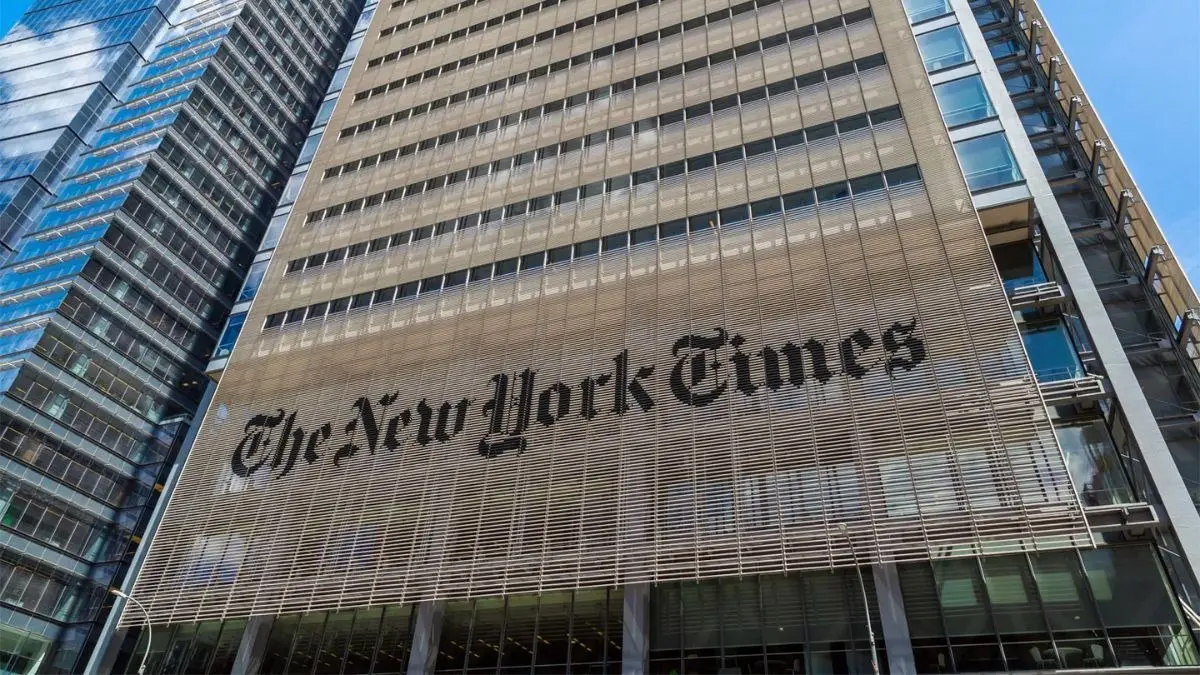
An investigative reporter best known for exposing fraud at Silicon Valley blood-testing startup Theranos sued Elon Musk's xAI, Anthropic, Google, OpenAI, Meta Platforms and Perplexity on Monday for using copyrighted books without permission to train their artificial intelligence systems.
New York Times reporter and "Bad Blood" author John Carreyrou filed the lawsuit in California federal court with five other writers, accusing the AI companies of pirating their books and feeding them into the large language models (LLMs) that power the companies' chatbots.
The lawsuit is one of several copyright cases brought by authors and other copyright owners against tech companies over the use of their work in AI training. The case is the first to name xAI as a defendant.
Spokespeople for the defendants did not immediately respond to requests for comment on the lawsuit.
Unlike other pending cases, the writers are not seeking to band together in a larger class action - a type of lawsuit they said favours defendants by allowing them to negotiate a single settlement with many plaintiffs.
"LLM companies should not be able to so easily extinguish thousands upon thousands of high-value claims at bargain-basement rates," the complaint said.
Advertisement
Anthropic reached the first major settlement in an AI-training copyright dispute in August, agreeing to pay $1.5 billion to a class of authors who said the company pirated millions of books. The new lawsuit said class members in that case will receive "a tiny fraction (just 2%) of the Copyright Act’s statutory ceiling of $150,000" per infringed work.
Monday's complaint was filed by attorneys at law firm Freedman Normand Friedland, including Kyle Roche, whom Carreyrou profiled in a 2023 New York Times article.
Advertisement
During a November hearing in the Anthropic class action, U.S. District Judge William Alsup criticised a separate law firm Roche co-founded for gathering authors to opt out of the settlement in search of "a sweeter deal." Roche declined to comment on Monday.
Carreyrou told the judge at a later hearing that stealing books to build its AI was Anthropic's "original sin" and that the settlement did not go far enough.