
Samsung Galaxy S26 FE Review: A Familiar Phone With Some Useful Tricks
The Samsung Galaxy S26 FE is a capable smartphone that gets most of the fundamentals right, but is it worth its ₹80K price tag?
- Tech News
- 14 min read

;'%3e%3cpath%20d='m8,15.99c4.41,0,7.99-3.58,7.99-7.99S12.41,0,8,0,0,3.59,0,8s3.58,7.99,7.99,7.99Z'%20style='stroke:%23fff;%20stroke-miterlimit:10;%20stroke-width:.02px;'/%3e%3cpath%20d='m3.08,3.37l3.82,5.11-3.84,4.15h.87l3.37-3.64,2.72,3.64h2.94l-4.04-5.39,3.58-3.87h-.86l-3.1,3.35-2.5-3.35h-2.94Zm1.27.64h1.35l5.97,7.99h-1.35l-5.97-7.99Z'%20style='fill:%23fff;'/%3e%3c/g%3e%3c/svg%3e)


Samsung's Fan Edition smartphones have traditionally offered a way to experience the company's premium Galaxy S series without paying flagship prices. The Galaxy S26 FE continues that approach, bringing a large AMOLED display, a versatile triple-camera setup, Galaxy AI features, and a powerful chipset to a more accessible segment of the company's portfolio.
Except that the Galaxy S26 FE costs ₹79,999.
At that price, I would expect more than a familiar design and a handful of incremental upgrades. And that is precisely where Samsung's latest Fan Edition smartphone becomes interesting. It has a more powerful processor than its predecessor, new software features, and additional tools that could appeal to content creators. However, much of the hardware remains unchanged, including the display, cameras, and battery capacity.
I have been using the Galaxy S26 FE to understand where the improvements actually make a difference. While I found it capable enough for everyday tasks and content creation, I also came away wondering whether Samsung has done enough to make this phone feel meaningfully different from last year's model.
Advertisement
What's Good
The design is familiar, but the Pistachio finish looks good
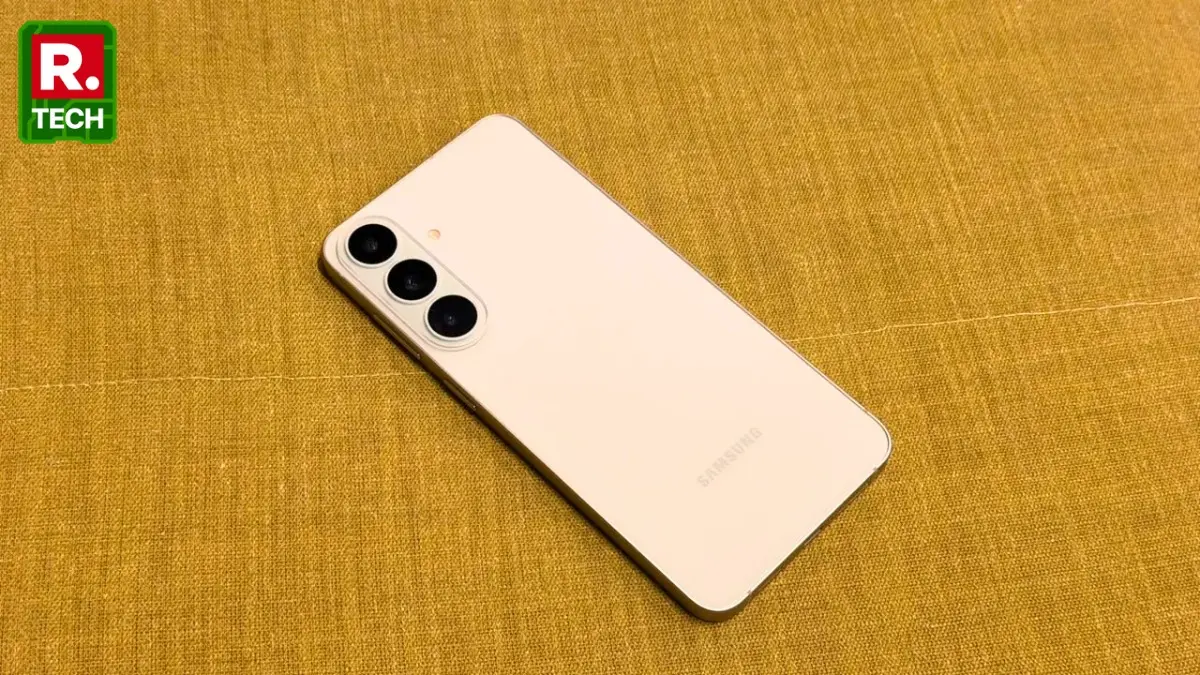
The Galaxy S26 FE looks almost identical to its predecessor. Samsung has retained the flat frame, rounded corners, and minimalist design that have become familiar across its smartphone lineup.
There is one noticeable change, though. The camera island now protrudes as a more unified structure instead of relying on individual camera rings with decorative embellishments. It gives the rear panel a slightly different appearance, although you would probably need to look closely to notice the distinction.
Advertisement
The rest of the design remains largely unchanged, and I do not necessarily consider that a problem. The Galaxy S26 FE looks clean and understated rather than trying too hard to stand out.
The Pistachio colour is particularly appealing. It has a soft, muted appearance that looks elegant without becoming flashy. It also gives the phone some character in a market where many smartphones look almost indistinguishable when viewed from the back.
Samsung has used Gorilla Glass Victus+ on both the front and rear, with an aluminium alloy frame providing structural support. The phone weighs 193g and measures 7.4mm thick, making it relatively slim for a device with a 6.7-inch display and a 4,900mAh battery.
I did not notice any scratches despite keeping the phone alongside keys in my jeans pocket. That is reassuring, although glass is still glass, and I would not recommend deliberately testing its resistance to scratches or drops.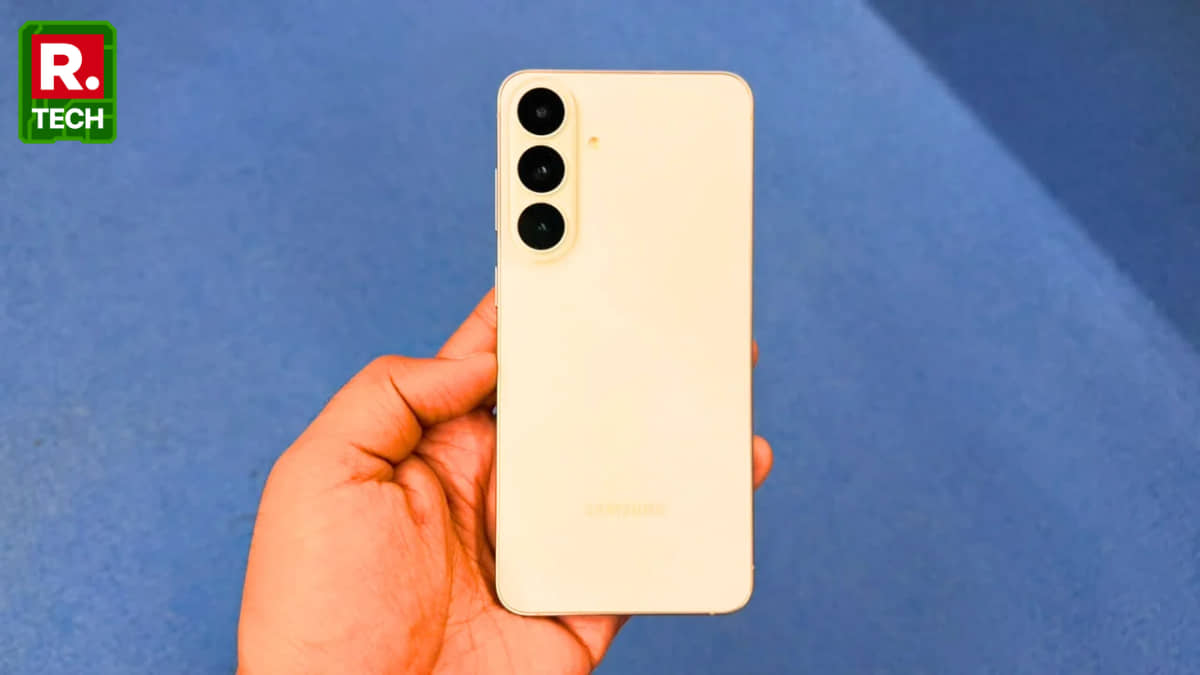
The Galaxy S26 FE also carries an IP68 rating for dust and water resistance. It can withstand immersion in up to 1.5 metres of freshwater for up to 30 minutes under specified laboratory conditions. That gives me some peace of mind when using the phone in the rain or dealing with accidental spills.
Overall, the design is not particularly exciting, but it remains practical and premium-looking.
The display is still one of the phone's strongest features
Samsung has retained the 6.7-inch Full HD+ Dynamic AMOLED 2X display from the previous generation. It supports a refresh rate of up to 120Hz and a peak brightness of 1,900 nits in High Brightness Mode.
I did not have any complaints about the display during my testing. Text looks sharp, colours are vibrant, and the large screen makes the phone particularly enjoyable for watching content.
I spent time watching videos on Netflix, JioHotstar, and Amazon Prime Video, and the display did a good job of reproducing the content. HDR-compatible videos look particularly good, with bright highlights and sufficient contrast to make scenes more engaging.
The screen is also spacious enough for gaming, reading, and multitasking. I could comfortably keep multiple apps open and move between them without feeling constrained by the available screen real estate.
The 120Hz refresh rate makes scrolling through social media feeds and navigating the interface feel smooth. Once you get accustomed to a high-refresh-rate display, returning to a conventional 60Hz screen can feel like a downgrade.
The one caveat is that the display itself is not a new feature. If you already own the Galaxy S25 FE, there is little reason to upgrade purely for the screen.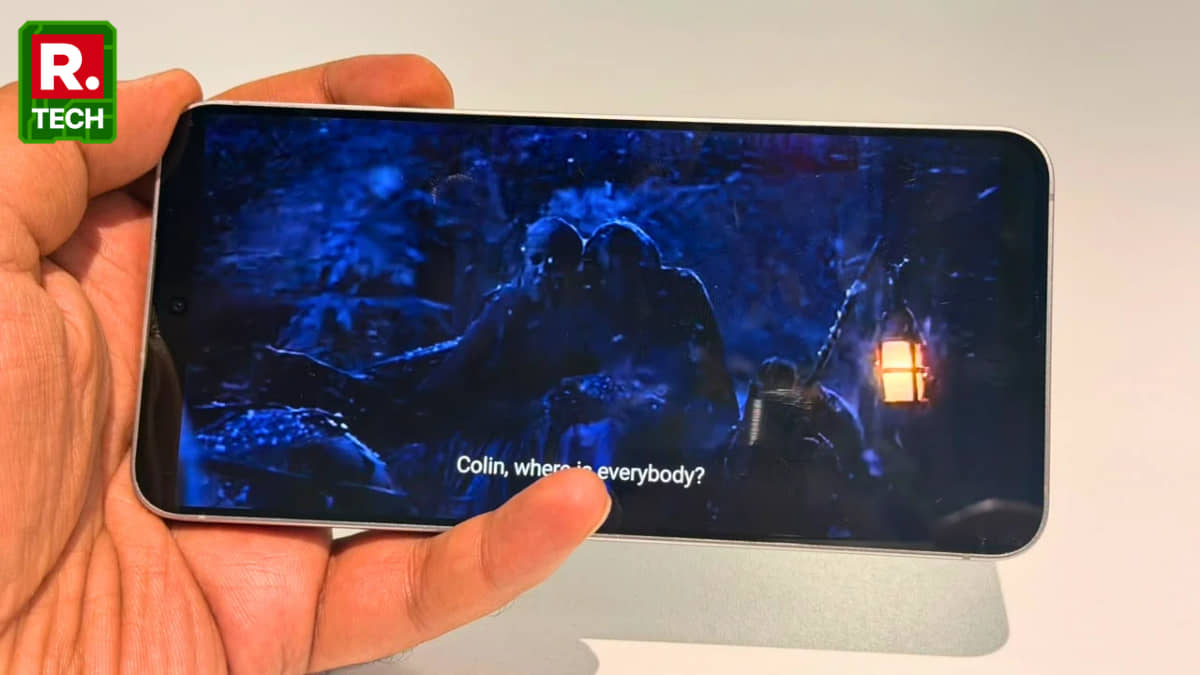
The Exynos 2500 makes a difference in everyday performance
The Galaxy S26 FE is powered by Samsung's Exynos 2500 processor, manufactured using a 3nm process. It comes with 8GB of RAM and 256GB of storage in the Indian configuration.
The processor is one of the more meaningful upgrades over the previous generation. During my testing, the phone handled multitasking well. I could keep at least eight apps running in the background without noticing significant slowdowns or the phone becoming uncomfortably warm.
That matters more than benchmark numbers for most users. Whether I was switching between social media, messaging, browsing, and editing apps, the phone generally remained responsive.
Image processing was also quick, which helped when I was reviewing photographs or preparing content for publication.
One of the more noticeable improvements came when rendering a 1080p video in VN. The phone completed the task quickly enough to make mobile video editing feel practical rather than something I would reserve for a laptop.
This is particularly relevant for content creators who regularly edit short videos for Instagram Reels or YouTube Shorts. Being able to capture footage, edit it, and export the finished video on the same device makes the Galaxy S26 FE a useful tool when working away from a desk.
However, I would not describe the Exynos 2500 as a reason to buy this phone specifically for gaming. Its strengths are more apparent in everyday performance, multitasking, and content creation than in running demanding games at their highest settings.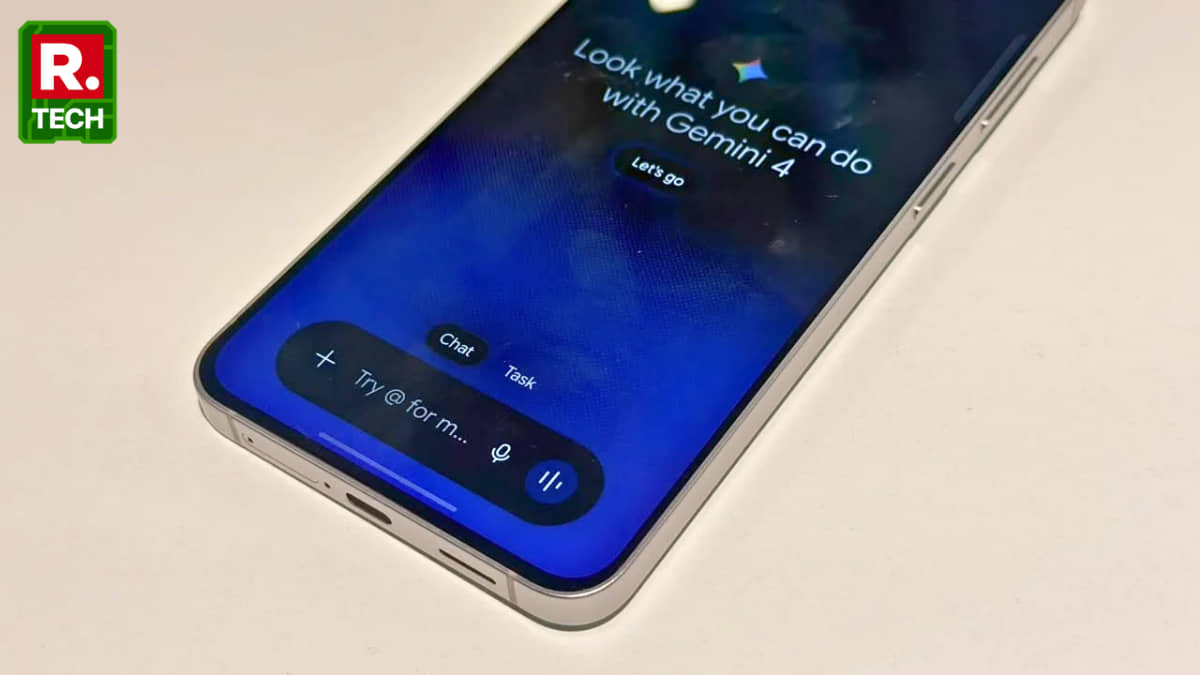
The cameras deliver natural-looking photographs
Samsung has retained the same basic rear-camera configuration as the previous generation. The system comprises a 50-megapixel primary camera with optical image stabilisation, a 12-megapixel ultra-wide camera, and an 8-megapixel telephoto camera with 3x optical zoom. There is also a 12-megapixel front camera.
The primary camera is the one I would rely on most often.
In daylight, photographs retain good detail and dynamic range. Colours are reasonably restrained, which I appreciate because I would rather have a photograph that looks natural than one that artificially boosts saturation to make everything appear more dramatic.
The camera also handles everyday subjects well, whether I am photographing people, buildings, or objects. There is enough detail for social media uploads and casual photography without needing to spend time correcting every image.
Lighting conditions can affect the results, though. When a scene contains significantly different levels of brightness, some areas may lose clarity or detail. Night mode helps in low-light situations, but it cannot completely eliminate the limitations of a small smartphone camera sensor.
I also appreciate that Samsung has retained a dedicated telephoto camera rather than relying entirely on digital cropping.
The 3x optical zoom is useful for portraits and close-ups
The 8-megapixel telephoto camera offers up to 3x optical zoom, which is useful when I want to frame a subject more tightly without physically moving closer.
I found this particularly useful for portraits and close-ups. The tighter perspective can help separate the subject from the background, while optical zoom preserves more detail than simply cropping a photograph taken with the primary camera.
Beyond 3x, the phone relies on hybrid and digital zoom. Samsung advertises digital zoom of up to 30x, but I would not recommend treating that number as an indication of usable image quality.
At higher magnifications, detail becomes progressively less convincing, and photographs are better suited to casual reference than serious photography.
The 12-megapixel ultra-wide camera also does its job. It is useful for landscapes, architecture, and situations where I cannot move far enough back to fit everything into the frame.
As expected, the ultra-wide camera does not always match the primary camera in detail, particularly in challenging lighting. Nevertheless, having three distinct focal lengths gives me more flexibility than a dual-camera setup would.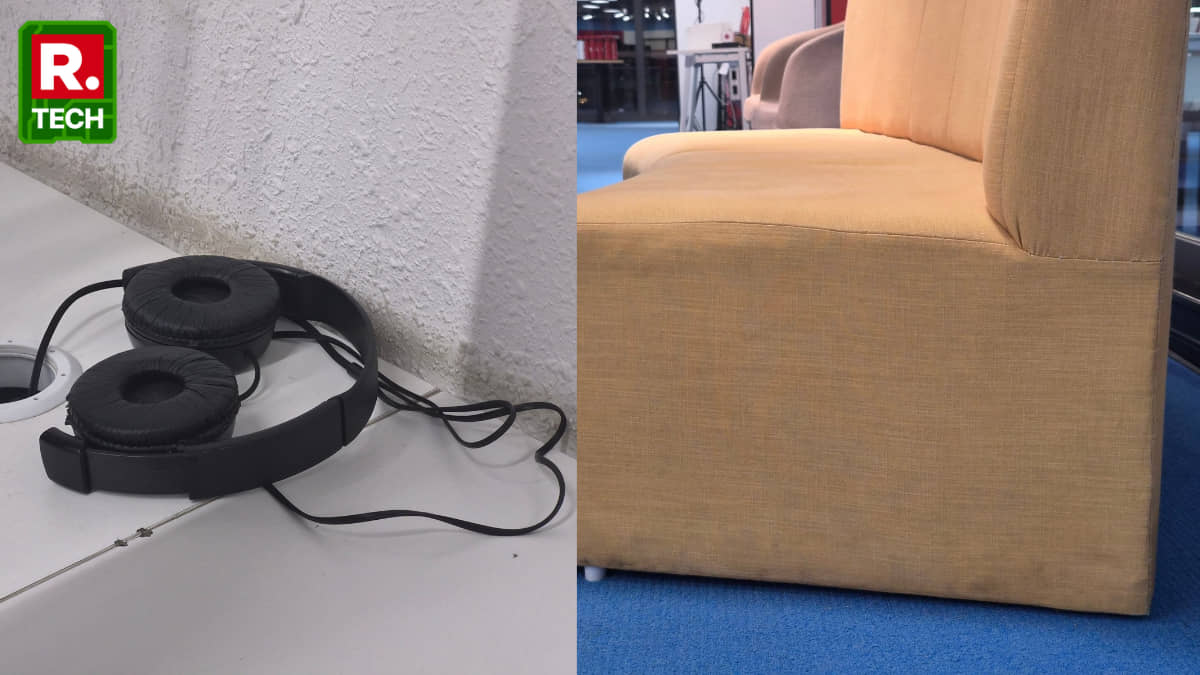

Video recording is a strong reason to consider the phone
The Galaxy S26 FE is not just about taking photographs. Its video capabilities make it a practical option for people who create content regularly.
The primary camera benefits from optical image stabilisation, while electronic stabilisation helps keep footage steady during movement. I found the video output well stabilised, making it easier to record usable clips without relying on additional equipment for every shot.
The phone also supports HDR video recording, and the display is capable of presenting HDR content. This makes the viewing experience more enjoyable when the footage contains bright highlights and darker areas.
For creators, the combination of stable video, a capable processor, and reasonably fast rendering is more important than any single camera specification. I could record footage, review it on the phone, make edits, and export a finished video without feeling that I needed to move to a computer for every task.
The phone's large display also helps when trimming clips or arranging footage on a timeline. It is not a substitute for a dedicated editing workstation, but it can handle the kind of work required for short-form content.
The important distinction is that the Galaxy S26 FE offers a relatively accessible route into mobile content creation.
One UI 9 brings useful AI features to the FE range
The Galaxy S26 FE launches with One UI 9 based on Android 17. Samsung has included a broad selection of Galaxy AI features, some of which are designed to make everyday tasks quicker rather than simply demonstrate what artificial intelligence can do.
One of the more useful additions is Audio Eraser, which can reduce unwanted sounds in supported video content. This is particularly helpful when you are watching a video with distracting background noise, with support for even third-party apps like Netflix and YouTube.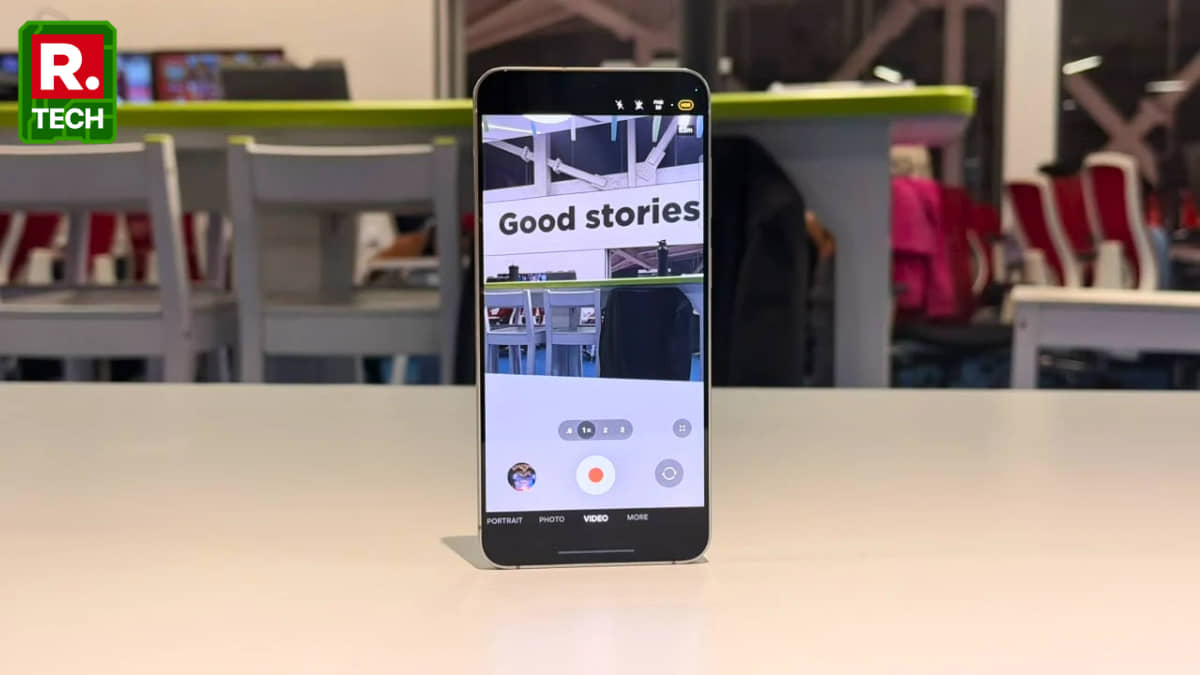
Photo Assist is another feature worth exploring. It lets you use text prompts and image references to make changes to photographs, reducing the need to switch between multiple editing applications for certain tasks.
Samsung has also introduced an improved Now Brief, which can present personalised information through briefing cards, including selected contextual suggestions. Circle to Search can identify multiple items in a single search, making it easier to look up products or objects without manually describing each one.
My FanCam and Horizontal Lock are useful additions for creators
Two features stand out for people who record videos regularly.
My FanCam, which Samsung introduced with its newer foldable phones, is now available on the Galaxy S26 FE. It can track a selected person in a scene, which is useful when recording a live event or capturing someone moving through a crowd.
For example, if I am recording a performance or an event where several people are moving around, the feature can help keep the chosen subject in the frame rather than forcing me to adjust the composition constantly.
Horizontal Lock is another useful addition. It is designed to keep footage level even when the phone rotates during movement, helping produce more stable-looking video.
I would have liked Samsung to offer more substantial hardware upgrades to accompany these software additions. Still, the extra capabilities make the Galaxy S26 FE more versatile than its familiar exterior suggests.
The battery lasts comfortably beyond a day
The Galaxy S26 FE retains a 4,900mAh battery, matching the capacity of its predecessor.
In my experience, the phone comfortably lasted more than a day with typical usage. That included messaging, browsing, watching videos, taking photographs, and using different applications throughout the day. I did not feel compelled to keep checking the battery percentage or carry a power bank whenever I left home.
The 45W wired charging support is also useful. Samsung says the phone can reach up to 69% charge in around 30 minutes when using a compatible 45W adapter. In my testing, a full charge took approximately an hour. That is reasonable for a battery of this size, although I would have preferred faster charging at this price.
The phone also supports 15W wireless charging and Wireless PowerShare, which lets it charge compatible accessories by placing them on its back. Wireless charging is slower than wired charging, but it is convenient when I want to top up the battery without connecting a cable.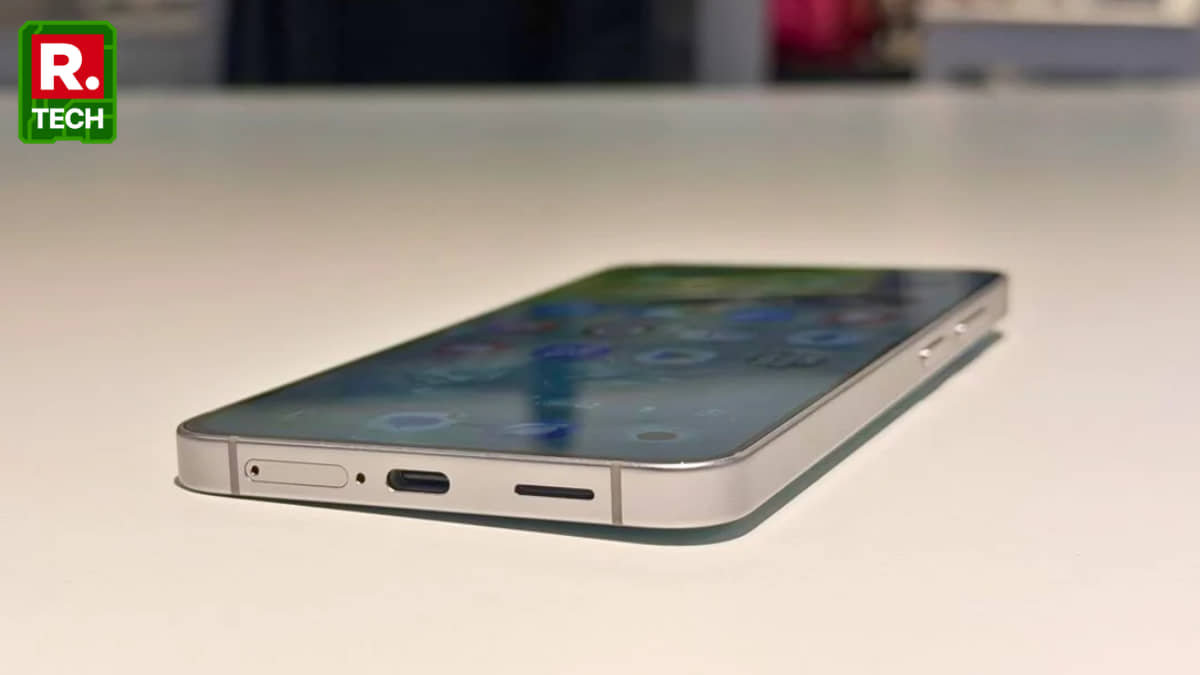
Samsung's software support makes the phone a longer-term proposition
One of the more important advantages of buying a Samsung smartphone is its software-support commitment. The Galaxy S26 FE is promised seven generations of Android OS upgrades and up to seven years of security updates from its global launch date. It also launches with Android 17 and One UI 9.
At ₹79,999, I would expect a phone to remain usable for years. Samsung's update policy at least supports that expectation.
What's Bad
The hardware changes are not substantial enough
The Galaxy S26 FE is a capable smartphone, but much of its hardware is carried over from the previous generation.
The 6.7-inch display is unchanged. The rear cameras retain the same 50-megapixel primary, 12-megapixel ultra-wide, and 8-megapixel telephoto configuration. The battery capacity is also unchanged at 4,900mAh. The processor is more powerful, and the software introduces useful additions, but the overall experience does not feel dramatically different.
That is not necessarily a problem for someone upgrading from an older Galaxy phone. If you are moving from a device that is several generations old, the combination of a modern display, capable cameras, Galaxy AI, and extended software support will feel like a meaningful improvement. But if you already own the Galaxy S25 FE, the reasons to upgrade are considerably harder to justify.
Gaming performance has its limits
The large AMOLED display makes the Galaxy S26 FE an enjoyable device for gaming, but the Exynos 2500 is not without limitations.
The phone handles casual games and less demanding titles well. However, demanding games such as Genshin Impact can require lower graphics settings to maintain consistent performance. Call of Duty: Mobile is also playable, but I would not buy this phone expecting to run every demanding game at its highest settings without compromises.
For everyday gaming, I do not think this will be a major issue. But if gaming is your primary reason for spending close to ₹80,000 on a smartphone, I would look more closely at alternatives with stronger sustained graphics performance.
The speakers are loud, but they lack depth
The Galaxy S26 FE has stereo speakers, and they get sufficiently loud for watching videos, playing games, or listening to podcasts without headphones.
However, I found the output somewhat flat. The speakers do not offer the same depth or fullness that I would want when listening to music. Vocals are clear enough for everyday use, but the sound lacks the richness that would make the listening experience particularly engaging.
This is not a deal-breaker because most people will use headphones or external speakers when listening to music seriously.
The charging speed could be better
The 45W wired charging support is useful, but I would have liked Samsung to offer faster charging at this price.
A full charge in approximately an hour is perfectly manageable, particularly given the phone's battery endurance. But competitors offer faster charging systems, allowing users to replenish their batteries more quickly when they are in a hurry.
The wireless charging speed is also limited to 15W.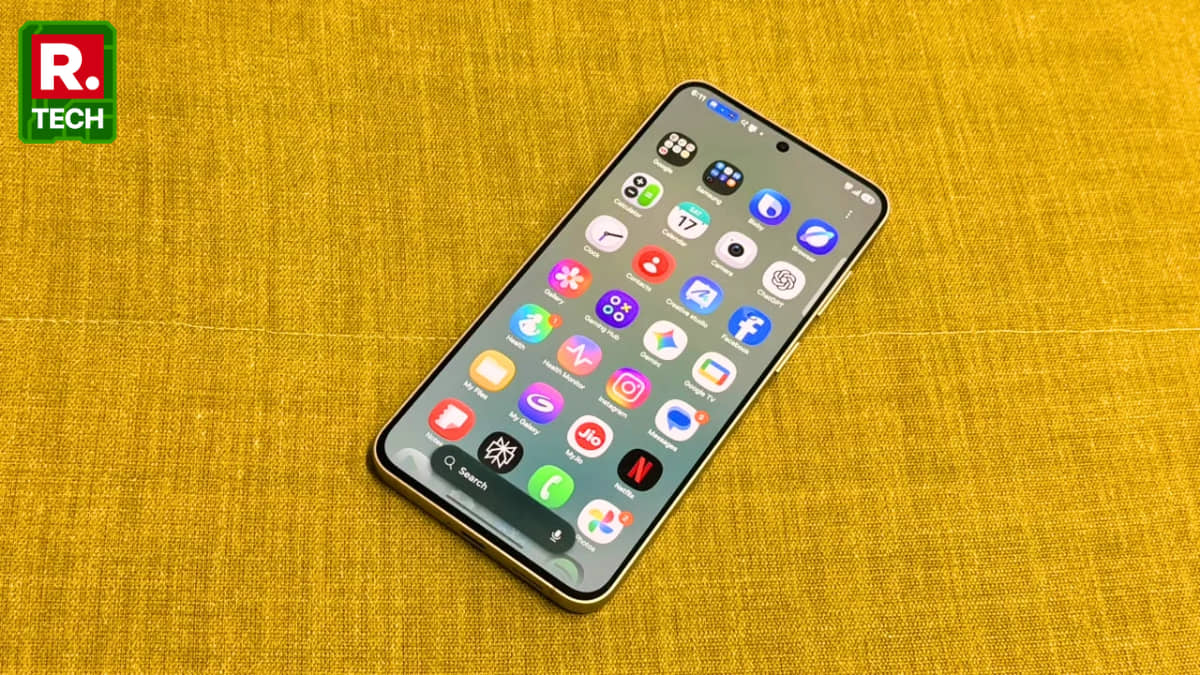
Verdict
Rating: 3.5/5
The Samsung Galaxy S26 FE is a capable smartphone that gets most of the fundamentals right. Its display is excellent for watching content, the cameras deliver pleasing photographs in good lighting, the telephoto camera adds useful flexibility, and the battery comfortably lasts more than a day.
The Exynos 2500 also makes a difference in everyday performance. Multitasking is smooth, image processing is quick, and video rendering is fast enough to make the phone a practical tool for creators who prefer editing on the go.
I particularly appreciate the addition of My FanCam, Horizontal Lock, and Samsung's broader Galaxy AI features. They give the phone practical capabilities beyond conventional photography and make it more versatile for people who regularly create or consume video content.
However, the Galaxy S26 FE is held back by how little of its hardware has changed. The display, camera configuration, and battery capacity are familiar, while gaming performance remains a consideration for users who want to play demanding titles at high settings.
The ₹79,999 price makes those limitations harder to ignore.
If you are upgrading from an older Galaxy smartphone, the S26 FE offers a well-rounded package with a strong display, useful cameras, capable performance, and an excellent software-support commitment. It is also worth considering if you want a phone for everyday use and mobile content creation without moving to Samsung's most expensive flagship models.
But if you already own last year's FE, I would not recommend upgrading simply for the sake of it. The improvements are useful, but they are not substantial enough to make the previous model feel obsolete.
The Galaxy S26 FE is a good phone. What I am less convinced about is whether it is a sufficiently compelling upgrade at ₹79,999.