
Donald Trump Pauses US Strikes on Iran After 13 Days, Cites Diplomacy and Missile Stockpile Concerns: Report
US President Donald Trump pauses military strikes on Iran after 13 days amid rising diplomatic efforts and Pentagon concerns over depleted missile stockpiles.
- World News
- 4 min read

;'%3e%3cpath%20d='m8,15.99c4.41,0,7.99-3.58,7.99-7.99S12.41,0,8,0,0,3.59,0,8s3.58,7.99,7.99,7.99Z'%20style='stroke:%23fff;%20stroke-miterlimit:10;%20stroke-width:.02px;'/%3e%3cpath%20d='m3.08,3.37l3.82,5.11-3.84,4.15h.87l3.37-3.64,2.72,3.64h2.94l-4.04-5.39,3.58-3.87h-.86l-3.1,3.35-2.5-3.35h-2.94Zm1.27.64h1.35l5.97,7.99h-1.35l-5.97-7.99Z'%20style='fill:%23fff;'/%3e%3c/g%3e%3c/svg%3e)


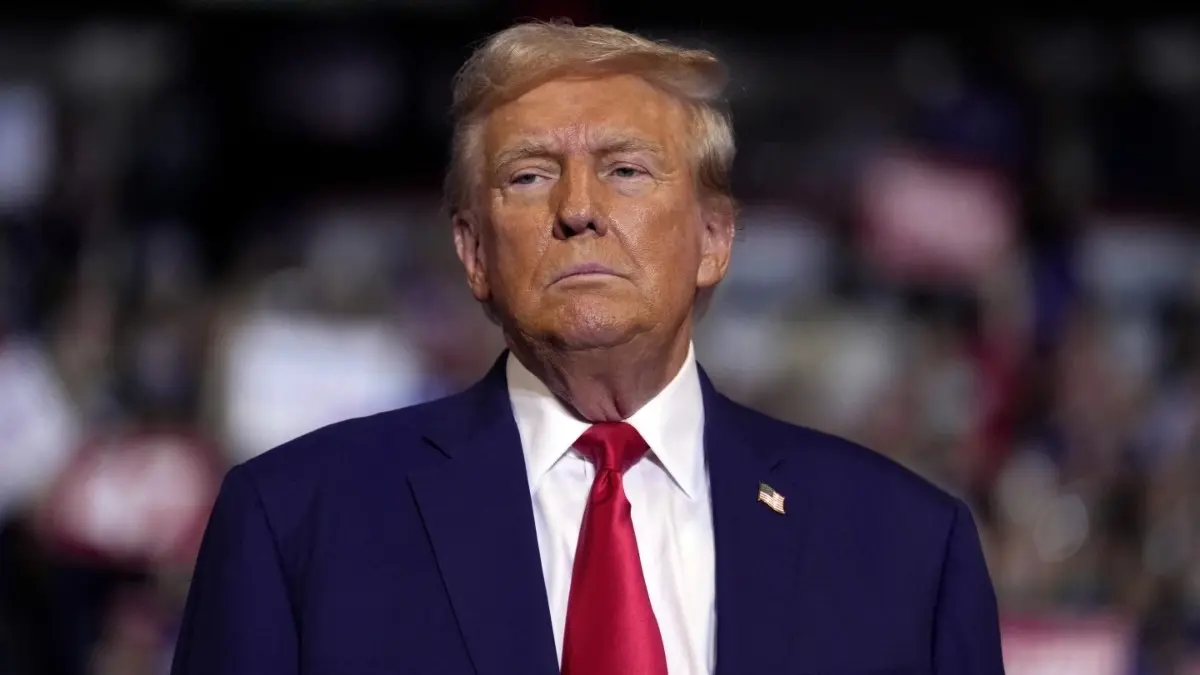
US President Donald Trump paused American strikes on Iran after 13 straight days, with officials citing a combination of diplomatic momentum, concerns over dwindling US missile-defence stockpiles and fears that further escalation could widen the conflict, according to multiple US media reports.
The decision, taken on Friday, marked the first break in nearly two weeks of daily US strikes. According to Axios, Trump directed the military not to carry out fresh strikes despite receiving a new strike plan, signalling a shift towards negotiations even as the US remains prepared to resume military operations if required.
The White House has not officially commented on Trump's decision. However, White House Communications Director Steven Cheung said Trump has consistently favoured a diplomatic solution but would keep all military options on the table if Iran continued attacks in the Strait of Hormuz or against US allies.
Why Did Trump Pause the Strikes?
According to Axios, Trump concluded that the current level of military action had reached the limit of its effectiveness short of launching a much larger combat campaign. Sources told the publication that the president wanted to create more space for diplomacy while retaining the option of restarting strikes at short notice if negotiations failed.
Advertisement
Speaking to reporters on Friday, Trump said the US remained "locked and loaded" but believed "the smarter strategy" was to pursue a deal with Iran. "We're talking to them right now. I think they're getting more and more serious as the days go by," he said.
Later, while addressing the White House Correspondents' Association dinner, Trump said he did not believe Iran was ready to strike a deal immediately but added that he remained willing to negotiate.
Advertisement
Pentagon Concerns Over Missile Stockpiles
Another key factor behind the pause was growing concern within the Pentagon over dwindling US missile defence inventories. According to The New York Times, senior military officials warned that expanding the campaign could dangerously deplete Patriot interceptor missiles and other air-defence systems deployed across the Middle East, potentially exposing US troops, allies and military installations to retaliatory Iranian attacks.
The report said Chairman of the Joint Chiefs of Staff Gen Dan Caine told Trump that while the military could execute a broader offensive, doing so would significantly strain interceptor stockpiles assigned to US Central Command. The newspaper reported that the Pentagon has already used more than 1,200 Patriot interceptor missiles in recent months, leaving inventories under pressure even before any major escalation against Iran.
Vice President Vance and Military Leaders Urged Caution
According to CNN, Vice President JD Vance and Gen Caine both expressed concerns during a White House meeting on Friday about escalating the Iran war. CNN, citing US officials and sources familiar with the discussions, reported that Gen Caine warned Trump not only about shrinking weapons stockpiles but also about the broader consequences of expanding the war.
A Department of Defence source told CNN that military operations against Iran were currently "on hold," though it remained unclear whether the pause would be temporary or mark the beginning of a broader shift in strategy. CNN also reported that several members of Trump's inner circle questioned whether additional strikes would achieve the administration's objectives without significantly increasing the risk of a wider regional conflict.
Diplomatic Momentum Builds in Middle East
The military pause also coincided with renewed diplomatic activity. According to Axios, Trump's decision came several hours after an Omani delegation arrived in Tehran to discuss a possible arrangement for reopening the Strait of Hormuz, one of the world's most critical oil shipping lanes.
Regional sources familiar with the negotiations told Axios that discussions had made progress and that an agreement between Oman and Iran could be reached soon, although any proposal would ultimately require Trump's approval. Meanwhile, Gulf nations have urged Washington to exercise restraint while continuing diplomatic efforts, CNN reported.
Military Options Remain Firmly on the Table
Despite the pause, Trump has made clear that military action remains an option. White House Communications Director Steven Cheung said the US President has consistently preferred a diplomatic solution but "retains all options" if Iran continues attacks in the Strait of Hormuz or against US allies. Cheung said sustained sanctions and nearly two weeks of military strikes had increased pressure on Tehran to negotiate.
According to Axios, the Pentagon continues to prepare contingency plans for renewed or expanded military operations should diplomacy fail, allowing the US to resume strikes on relatively short notice. For now, however, the Trump administration appears to be testing whether negotiations can achieve Washington's objectives without risking a broader regional war.