
South Korea cancels annual New Year bell-ringing ceremony amid surge in COVID-19 cases
South Korea government announced cancellation as Seoul recorded confirmed 631 new coronavirus cases over the past 24 hours, with a noticeable spike.
- World News
- 2 min read

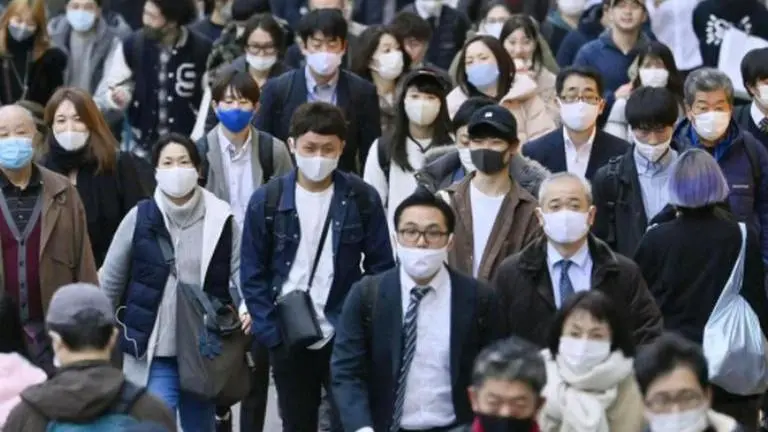
On December 6, the South Korean government cancelled the New Year bell-ring ceremony held every year in the capital Seoul due to an alarming surge in COVID-19 cases, a municipal government official confirmed.
"Considering the rapid spread of COVID-19, we have to cancel the year-end bell-ringing ceremony," state-run Yonhap news agency quoted the official as saying. The ceremony was expected to take place in Bosingak Pavilion but was called off due to the pandemic for the first time ever since 1953, end of the Korean War.
South Korean government announced the cancellation as Seoul recorded confirmed 631 new coronavirus cases over the past 24 hours, with a noticeable spike from the previous 583 infections. The overall case count jumped to 37,546, according to Korea’s Disease Control and Prevention tally.
Advertisement
The significant rise in the case trajectory prompted the South Korean government to raise the coronavirus alert to the second-highest level in Seoul and surrounding areas. Health authorities recorded fresh outbreaks that pushed the infections to record the highest figures for the first time in nine months.
Advertisement
Assembly of more than 50 people banned
Prime Minister Chung Sye-Kyun said in a news conference that the country was facing the biggest crisis in its fight against COVID-19. This calls for tightened measures to be imposed until the end of the year to contain the cases, he added.
South Korea banned the assembly of more than 50 people and ordered the sports to be held behind closed quarters without the spectators. Restaurants were prohibited to serve beyond 9 pm and cafes were restricted to operate only curbside pickups and takeaways.
In the first wave of infections, South Korea was one of the worst-hit with the pandemic outside mainland China but had not entered a lockdown.
(Image Credit: AP)