
5 Warning Signs That You Shouldn't Ignore If You Have A Snoring Problem
Snoring is caused by restricted airflow in the nose, mouth or throat. As it is, snoring is not a cause of concern. However, if other health issues keep cropping up, watch out!
- Health News
- 2 min read

;'%3e%3cpath%20d='m8,15.99c4.41,0,7.99-3.58,7.99-7.99S12.41,0,8,0,0,3.59,0,8s3.58,7.99,7.99,7.99Z'%20style='stroke:%23fff;%20stroke-miterlimit:10;%20stroke-width:.02px;'/%3e%3cpath%20d='m3.08,3.37l3.82,5.11-3.84,4.15h.87l3.37-3.64,2.72,3.64h2.94l-4.04-5.39,3.58-3.87h-.86l-3.1,3.35-2.5-3.35h-2.94Zm1.27.64h1.35l5.97,7.99h-1.35l-5.97-7.99Z'%20style='fill:%23fff;'/%3e%3c/g%3e%3c/svg%3e)


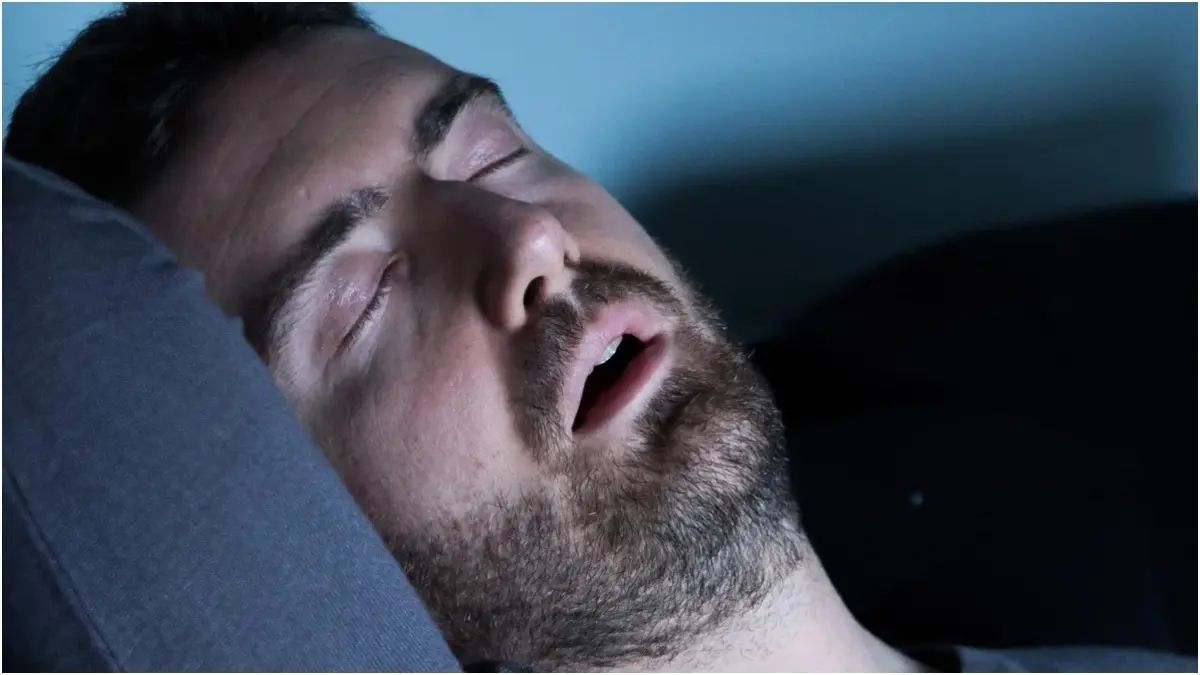
Snoring at night is common, but many people ignore it thinking it's normal. However, snoring isn't normal for everyone. In some cases, it can be a sign of another illness or health condition. If snoring is accompanied by symptoms like shortness of breath, daytime fatigue or morning headaches, it could be a sign of a condition like sleep apnea. Therefore, it's important to pay attention to certain signs rather than ignore them.
Are you snoring loudly?
Occasional snoring isn't usually a cause for concern, but daily snoring indicates that the airway is partially blocked during sleep. Experts say that persistent and loud snoring is often associated with obstructive sleep apnea, which affects both sleep and breathing.

Are you stopping or gasping for breath during sleep?
If someone experiences sudden halts or gasps in between snoring, this is a serious warning sign. This is a sign of sleep apnea, as breathing almost stops for a short time, and the body suddenly awakens and tries to breathe like normal before.
Advertisement
Do you experience fatigue throughout the day even after getting required sleep?
If you wake up feeling tired and restless in the morning despite getting 7-8 hours of sleep at night, and feel sleepy or tired throughout the day, this could also be a warning sign. Sleep apnea causes people to wake up involuntarily several times during the night, preventing them from getting deep and restful sleep. This can impact daytime energy, concentration and mood.
Advertisement
Morning headaches and/or dryness in mouth
If you wake up in the morning feeling heavy-headed, have a headache or experience dryness in the mouth, these symptoms should not be ignored. This can be caused by mouth breathing and a lack of oxygen during sleep. Experts say these symptoms are often seen in sleep apnea patients.
High blood pressure or heart problems
Doctors believe that snoring isn't just a sleep problem. If ignored for a long time, it can also increase the risk of heart and blood pressure-related diseases. Some research suggests that sleep apnea can lower oxygen levels in the body, increasing the risk of high blood pressure, heart attack and stroke.