
Cold Wave Grips Delhi-NCR: Know Risks And How To Stay Safe
The India Meteorological Department (IMD) has predicted no immediate relief from the cold wave and fog in Delhi and the National Capital Region in the coming days. The residents have been advised to take necessary precautions to stay warm and safe.
- Health News
- 2 min read

;'%3e%3cpath%20d='m8,15.99c4.41,0,7.99-3.58,7.99-7.99S12.41,0,8,0,0,3.59,0,8s3.58,7.99,7.99,7.99Z'%20style='stroke:%23fff;%20stroke-miterlimit:10;%20stroke-width:.02px;'/%3e%3cpath%20d='m3.08,3.37l3.82,5.11-3.84,4.15h.87l3.37-3.64,2.72,3.64h2.94l-4.04-5.39,3.58-3.87h-.86l-3.1,3.35-2.5-3.35h-2.94Zm1.27.64h1.35l5.97,7.99h-1.35l-5.97-7.99Z'%20style='fill:%23fff;'/%3e%3c/g%3e%3c/svg%3e)


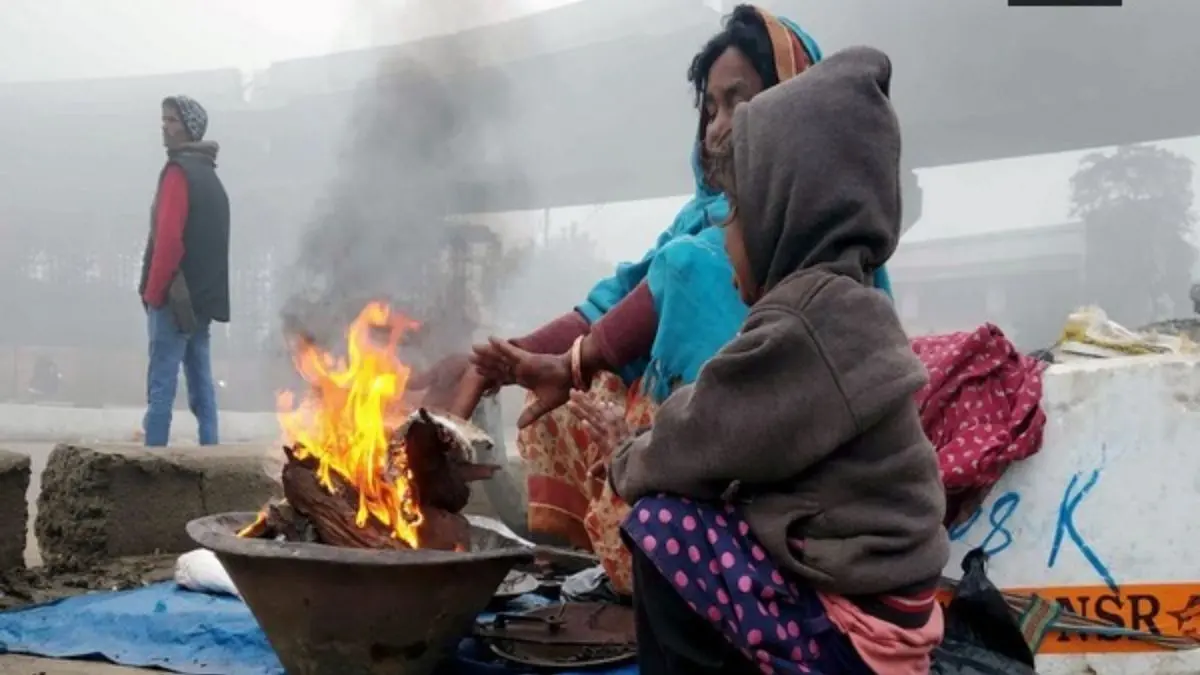
A severe cold wave accompanied by dense fog conditions continues to affect large parts of Delhi and the National Capital Region. The IMD said the conditions are expected to persist due to high humidity and low wind speeds. With no immediate relief, residents of the area have been advised to take necessary precautions to stay warm and safe. The cold wave is expected to continue, with temperatures remaining below normal for the next few days, with temperatures plummeting to new lows each day. The plunging temperatures and icy winds might disrupt daily life and raise serious health concerns.
Health risks associated with chilly temperatures
Exposure to low temperatures can strain the body, particularly among children, the elderly and those with existing medical conditions. Hypothermia and frostbite, though rare in Indian urban settings, are possible when people remain outdoors for extended periods without adequate protection. Cold weather is also said to tighten blood vessels, which might increase the risk of heart attacks and strokes, especially among individuals with cardiovascular problems.
Respiratory illnesses also tend to spike during cold waves. Conditions such as asthma, bronchitis and chronic obstructive pulmonary disease (COPD) can worsen due to cold air and pollution, which typically peaks in winter. Viral infections, including seasonal flu and common colds, spread faster as people stay indoors in poorly ventilated spaces.
How to stay safe during the cold wave
Layering is key to staying warm. Wearing multiple thin layers traps heat better than a single heavy garment. Thermal wear, woollens, socks, gloves and caps help prevent heat loss, especially from the head and extremities. Keeping the home adequately warm using safe heating methods is essential, while ensuring proper ventilation to avoid carbon monoxide exposure from heaters.
Advertisement
Nutrition and hydration play a crucial role in winter health. Warm, balanced meals rich in proteins, seasonal vegetables and healthy fats help the body generate heat. Contrary to popular belief, staying hydrated is just as important in winter as in summer.
Advertisement
Limiting early morning and late-night outdoor exposure, particularly during peak cold hours, can significantly reduce health risks. Those with chronic illnesses should continue prescribed medications and consult doctors if symptoms worsen.