
Kerala Reports First Shigella Death: What Is the Infection, Who Is at Risk, and When Should You Seek Medical Help?
Kerala has reported its first Shigella-related fatality after a four-year-old girl from Kozhikode died of complications. Health authorities have intensified surveillance, urging strict hygiene, food safety, and water quality measures to prevent further spread of the bacterial infection.
- Health News
- 4 min read

;'%3e%3cpath%20d='m8,15.99c4.41,0,7.99-3.58,7.99-7.99S12.41,0,8,0,0,3.59,0,8s3.58,7.99,7.99,7.99Z'%20style='stroke:%23fff;%20stroke-miterlimit:10;%20stroke-width:.02px;'/%3e%3cpath%20d='m3.08,3.37l3.82,5.11-3.84,4.15h.87l3.37-3.64,2.72,3.64h2.94l-4.04-5.39,3.58-3.87h-.86l-3.1,3.35-2.5-3.35h-2.94Zm1.27.64h1.35l5.97,7.99h-1.35l-5.97-7.99Z'%20style='fill:%23fff;'/%3e%3c/g%3e%3c/svg%3e)


Kerala has reported its first known fatality linked to Shigella infection after a four-year-old girl from Kozhikode died following complications from the bacterial disease. The incident has prompted health authorities to intensify surveillance and issue fresh warnings on hygiene, food safety and water quality across the state.
State Health Minister K Muraleedharan said the government has stepped up preventive measures following the death of Nila, a four-year-old child from Thalakkulathur in Kozhikode district. The child was among three young patients admitted to Kozhikode Medical College Hospital with the infection. While two recovered and were discharged, Nila succumbed to the illness on Saturday.
The minister said the bacterial infection is primarily spread through contaminated food and water and can cause severe gastrointestinal symptoms.
Rising Concern Over Shigella Cases
Health officials are closely monitoring the situation after around 123 cases were reported from Alappuzha and Pathanamthitta districts over the past week.
Advertisement
Authorities are also investigating a separate outbreak of gastrointestinal illness among students in the Sulthan Bathery region of Wayanad, where approximately 164 students reportedly experienced vomiting and diarrhoea. However, preliminary findings suggest those cases are not linked to Shigella infection.
A medical team from Kozhikode Medical College has collected samples for laboratory testing, while water samples from a well and borewell used by the institutions are also being examined.
Advertisement
What Is Shigella Infection?
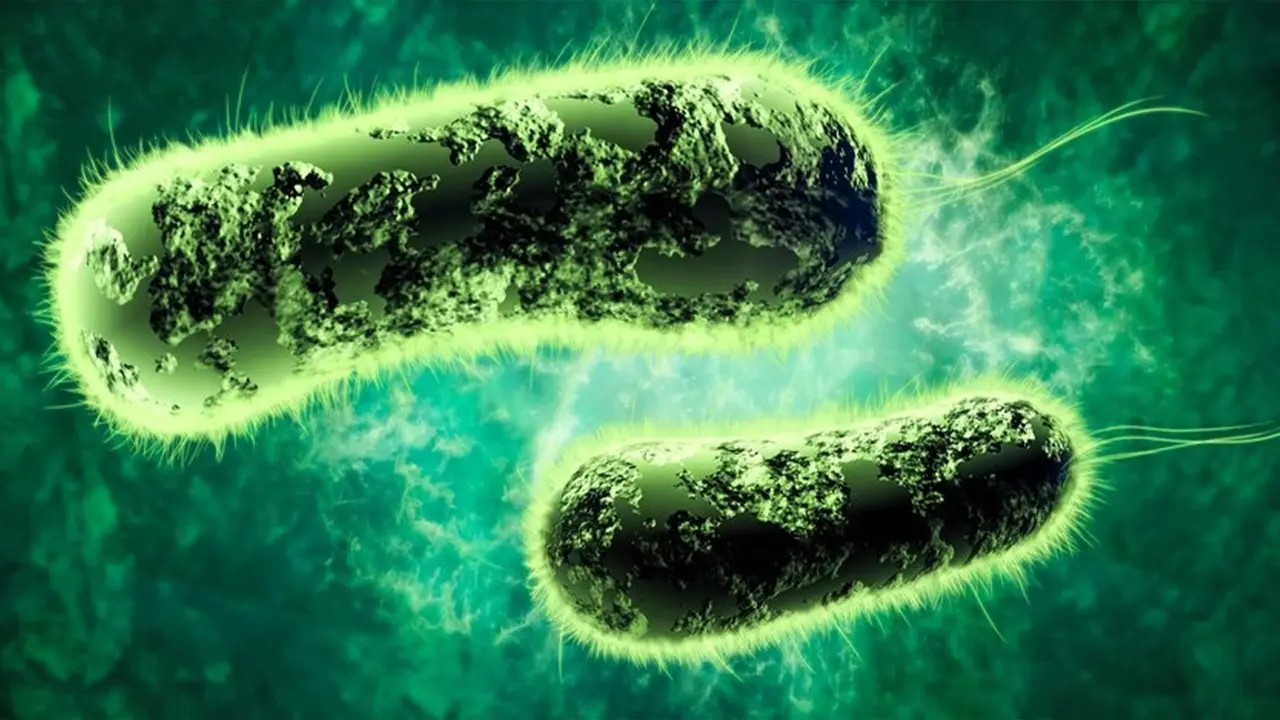
Shigella infection, medically known as shigellosis, is a bacterial disease that affects the intestines. It is caused by a group of bacteria called Shigella, which can spread rapidly in areas where sanitation and hygiene standards are poor.
The infection is highly contagious and often spreads when microscopic amounts of infected stool contaminate food, water, surfaces or hands. Children, particularly those under five years of age, are among the most vulnerable groups.
While many cases are mild, severe infections can lead to dehydration, bloodstream infections and other potentially life-threatening complications, especially in young children, older adults and people with weakened immunity.
Common Symptoms of Shigella
Symptoms typically appear one to three days after exposure and may include:
- Frequent diarrhoea, sometimes containing blood or mucus
- Fever
- Stomach cramps and abdominal pain
- Nausea and vomiting
- Urgent need to pass stools
- Dehydration due to fluid loss
In severe cases, patients may become weak, dizzy or develop signs of serious dehydration requiring hospital treatment.
When Should You Visit a Doctor?
Health experts advise seeking medical attention immediately if:
- A child develops persistent diarrhoea
- Blood appears in stools
- Fever remains high for several days
- The patient is unable to drink fluids
- Signs of dehydration appear, including dry mouth, reduced urination, sunken eyes or unusual lethargy
- Symptoms worsen instead of improving
Young children can deteriorate rapidly due to fluid loss, making early medical intervention critical.
Government Orders Tightened Hygiene Measures
Following the fatality, the Kerala government has directed local bodies and health officials to strengthen sanitation and food safety checks.
Muraleedharan stressed the importance of chlorinating water sources and ensuring access to safe drinking water. He also warned against practices that could compromise public health, including reports that ice used for preserving fish was being reused for drinking water and food-related purposes.
The minister said strict action would be taken against unhygienic eateries and roadside food establishments that fail to maintain sanitation standards. He also instructed food safety officials to inspect hotels and restaurants and ensure safe drinking water is provided to customers.
Public Urged to Stay Alert
With symptoms resembling Shigella infection being reported from different parts of Kozhikode district, health authorities have urged residents to remain vigilant.
Experts say the best protection against Shigella remains simple but effective hygiene practices: frequent handwashing with soap, consuming clean drinking water, eating properly cooked food and avoiding food from unhygienic sources.
The Kerala government has also issued alerts to airports and medical colleges following reports of Ebola cases in other countries, as part of broader disease surveillance measures.
As investigations continue, health officials say preventing contamination of food and water sources will be key to containing the spread of Shigella and protecting vulnerable populations, especially young children.