
Why Do Mouth Ulcers Increase in Summer? Know Causes And Prevention
Mouth ulcers are small, painful sores that can develop inside the cheeks, lips, tongue, or gums. While they can occur at any time of the year, many people notice them more frequently during the summer months.
- Health News
- 3 min read

;'%3e%3cpath%20d='m8,15.99c4.41,0,7.99-3.58,7.99-7.99S12.41,0,8,0,0,3.59,0,8s3.58,7.99,7.99,7.99Z'%20style='stroke:%23fff;%20stroke-miterlimit:10;%20stroke-width:.02px;'/%3e%3cpath%20d='m3.08,3.37l3.82,5.11-3.84,4.15h.87l3.37-3.64,2.72,3.64h2.94l-4.04-5.39,3.58-3.87h-.86l-3.1,3.35-2.5-3.35h-2.94Zm1.27.64h1.35l5.97,7.99h-1.35l-5.97-7.99Z'%20style='fill:%23fff;'/%3e%3c/g%3e%3c/svg%3e)


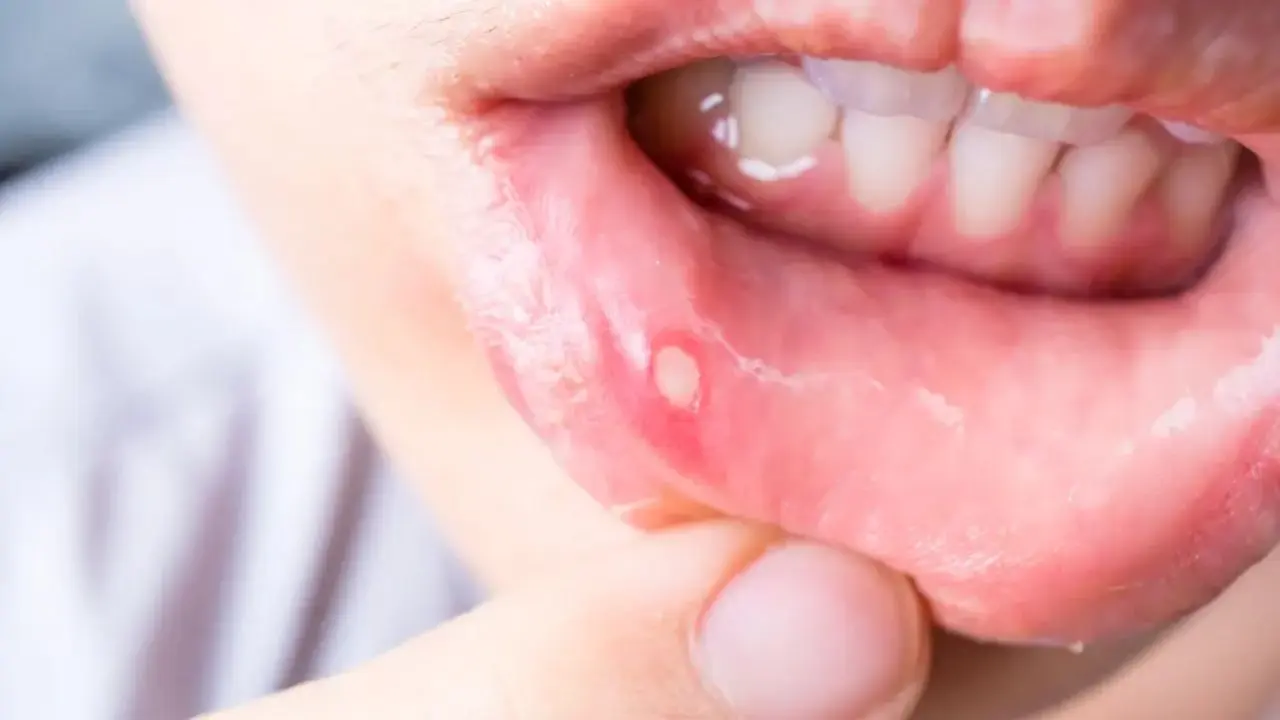
Summer brings rising temperatures and increased sweating. This affects the body's hydration level and overall health. Many people experience mouth ulcers during this season due to a combination of environmental factors and lifestyle changes. Factors such as dehydration, heat exposure, and dietary changes contribute to their occurrence. Most ulcers heal on their own within a week or two. But recurring canker sores can be painful to deal with. This type of sore interferes with eating, drinking, and speaking. Understanding the causes can help individuals take preventive steps and reduce discomfort.
Causes of mouth ulcers
According to the Cleveland Clinic, mouth ulcers may occur for several reasons, including:
Dehydration

It is one of the most common reasons for mouth ulcers during summer. Excessive sweating leads to fluid loss, which causes the mouth to become dry. The dry oral environment irritates the tissues inside the mouth because they are sensitive. The sensitivity makes them more prone to sores and ulcers.
Physical injury
Accidentally biting the cheek, aggressive brushing, and irritation from dental appliances can also lead to ulcers. The hot weather worsens the discomfort associated with these sores.
Advertisement
Nutritional deficiencies
A lack of essential nutrients can cause ulcers. Deficiency of vitamin B12 and iron has been linked to recurrent mouth ulcers. Poor dietary habits or skipping balanced meals during summer and travel can increase the likelihood of these deficiencies.
Changes in diet during summer
Summer diets often include spicy snacks, acidic fruits, and cold beverages. Certain foods, especially those that are spicy, salty, or acidic, can irritate the lining of the mouth and trigger ulcers in some individuals.
Advertisement
Lack of sleep
According to the National Institutes of Health, lack of sleep is considered a possible trigger for mouth ulcers in some individuals. Adequate sleep plays an important role in overall health, immune function, and tissue repair. When the body does not get enough rest, it may take longer to heal and recover from inflammation. This potentially increases the likelihood of recurrent mouth ulcers.
Tips to prevent mouth ulcers during summer
According to the Cleveland Clinic, there are also things one can do at home to relieve sore symptoms:
Stay well hydrated
Drink plenty of water throughout the day to prevent dehydration and keep the mouth moist. Increasing fluid intake is especially important during periods of excessive heat and physical activity.
Eat a balanced diet
Include vitamin and mineral-rich foods in the diet, particularly vitamin B12 and iron. Fresh fruits, vegetables, and whole grains can help support overall oral health.
Limit spicy and acidic foods
Reduce the intake of spicy foods that can irritate the mouth. This technique may help prevent ulcers from developing or worsening.
Maintain good oral hygiene
Brush gently using a soft-bristle toothbrush. Keeping the mouth clean can reduce irritation and support healing.
Manage stress and get adequate sleep
Maintaining a consistent sleep schedule and finding healthy ways to manage stress may lower the risk of recurrent ulcers.