
Osteoporosis Explained: Symptoms And Risk Factors Every Older Adult Should Understand
Osteoporosis is a disease that weakens the bones. Older adults, especially those who are over 50, are more vulnerable to this disease.
- Health News
- 3 min read

;'%3e%3cpath%20d='m8,15.99c4.41,0,7.99-3.58,7.99-7.99S12.41,0,8,0,0,3.59,0,8s3.58,7.99,7.99,7.99Z'%20style='stroke:%23fff;%20stroke-miterlimit:10;%20stroke-width:.02px;'/%3e%3cpath%20d='m3.08,3.37l3.82,5.11-3.84,4.15h.87l3.37-3.64,2.72,3.64h2.94l-4.04-5.39,3.58-3.87h-.86l-3.1,3.35-2.5-3.35h-2.94Zm1.27.64h1.35l5.97,7.99h-1.35l-5.97-7.99Z'%20style='fill:%23fff;'/%3e%3c/g%3e%3c/svg%3e)


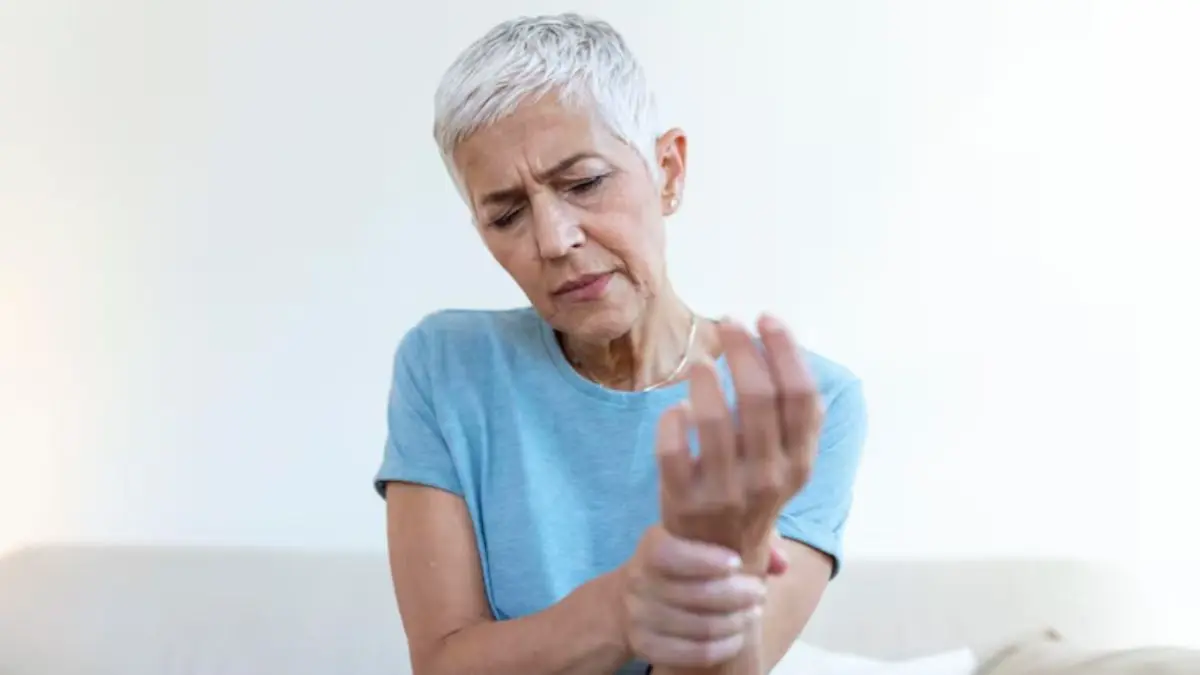
Osteoporosis is a disease that weakens the bones. It makes them thinner and less dense than they should be. This occurs when the body loses bone mass or produces too little. As a person ages, the bones naturally lose some of their density and their ability to regrow themselves. As a result, they become less dense and more likely to break from minor falls or injuries. The condition commonly affects the hips, spine, and wrists.
Why are older adults more vulnerable?

Ageing is considered one of the biggest risk factors for osteoporosis. As people grow older, bone density begins to decline, making bones weaker over time. According to the Cleveland Clinic, postmenopausal women are at a higher risk of developing the condition due to hormonal changes and age-related bone loss. Older individuals with certain health conditions, such as endocrine, gastrointestinal, and autoimmune diseases, are more prone to develop osteoporosis.
Symptoms of osteoporosis
According to the Cleveland Clinic, 'Osteoporosis doesn’t have symptoms the way that lots of other conditions do. That’s why healthcare providers sometimes call it a silent disease.' However, certain symptoms may cause changes in the body. And those changes mean that the bones are losing their strength and density:
Frequent fractures
One of the most common symptoms of osteoporosis is frequent fractures that occur after a minor injury. This happens because the bones are fragile and break more easily than expected.
Advertisement
Loss of height
Gradual loss of height may occur. Because when the bones in the spine become weaker they get compressed. And this compression prevents height from growing.
Back pain
Vertebral fractures associated with this disease can lead to persistent back pain and discomfort.
Advertisement
Shortness of breath
If the disks in the spine are compressed enough, they can reduce lung capacity. As the spine shortens and curves, the organs in the abdomen are pushed upward and outward. It further limits the diaphragm’s ability to move downward to allow a deep breath.
Stooped posture and reduced mobility
When spinal bones are weak, they result in a hunched or stooped posture over time. Similarly, as fractures and bone weakness progress, some individuals may experience difficulty performing daily activities.
Risk factors for osteoporosis
According to the Cleveland Clinic, anyone can develop osteoporosis. People with the following factors are more at risk:
Advancing age
The risk of osteoporosis increases with age as bone density naturally decreases.
Family history
Having a parent or sibling with osteoporosis may increase the likelihood of developing the condition.
Low body weight
People with a smaller body frame or lower body weight may be at higher risk because they generally have less bone mass.
Lack of physical activity
A sedentary lifestyle may weaken bones and increase the risk of osteoporosis over time.
Frequent smoking
Older adults or young individuals who smoke frequently and consume tobacco are more at risk of developing osteoporosis. Nicotine and other toxic chemicals in tobacco restrict blood flow to the bones. This impairs osteoblasts, the cells responsible for building new bone mass.
Can osteoporosis be prevented?
While ageing cannot be prevented, certain lifestyle measures may help support bone health:
– Regular physical activity
– A balanced diet which is rich in calcium and Vitamin D
– Limited alcohol consumption and smoking
– Regular health checkups to help identify bone loss before complications