
Swimming Lessons This Summer? Ways To Protect Children's Eyes In The Pool
Swimming can be a healthy and enjoyable summer activity for children, but eye protection should not be overlooked
- Health News
- 2 min read

;'%3e%3cpath%20d='m8,15.99c4.41,0,7.99-3.58,7.99-7.99S12.41,0,8,0,0,3.59,0,8s3.58,7.99,7.99,7.99Z'%20style='stroke:%23fff;%20stroke-miterlimit:10;%20stroke-width:.02px;'/%3e%3cpath%20d='m3.08,3.37l3.82,5.11-3.84,4.15h.87l3.37-3.64,2.72,3.64h2.94l-4.04-5.39,3.58-3.87h-.86l-3.1,3.35-2.5-3.35h-2.94Zm1.27.64h1.35l5.97,7.99h-1.35l-5.97-7.99Z'%20style='fill:%23fff;'/%3e%3c/g%3e%3c/svg%3e)


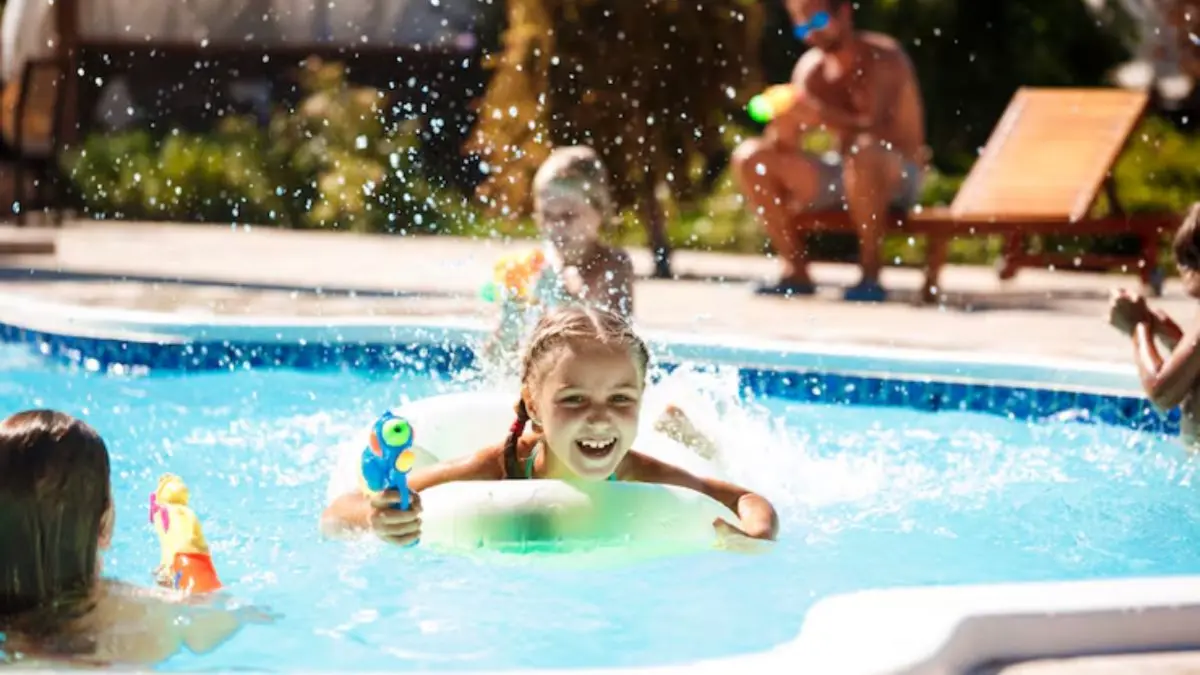
Summer vacations are in full swing. Many children are heading to pools to cool off and learn to swim. While the activity offers several benefits, frequent exposure to chlorinated water and sunlight can sometimes affect eye health. Here are some simple ways parents can help protect their children's eyes while swimming this summer:
Encourage children to wear swimming goggles

Swimming goggles create a protective barrier between the eyes and pool water. Goggles can help reduce irritation caused by chlorine and other substances commonly found in swimming pools.
Rinse eyes after swimming
Experts recommend rinsing the eyes with clean, fresh water after swimming. This can help remove chlorine, salt, dirt, and other particles that may remain on the surface of the eyes.
Avoid rubbing the eyes
Children are tempted to rub their eyes if they feel itchy or irritated after swimming. However, rubbing can worsen irritation and may introduce additional germs to the eyes.
Advertisement
Use UV-protective goggles for outdoor pools
For children who swim outdoors, UV-protective goggles help shield the eyes from harmful ultraviolet rays. UV protection is important during extended periods in the sun.
Teach children not to share goggles
Sharing goggles increases the risk of sharing and spreading bacteria or viruses that can contribute to eye infections. Each child should use their own properly fitted pair.
Advertisement
Watch for signs of eye infection
Parents should pay attention to symptoms. Persistent redness, excessive tearing, pain, discharge, or sensitivity to light are some of the symptoms. If these continue after swimming, it may be a good idea to consult an eye care professional.
Choose well-maintained pools
Swimming in pools that are properly maintained and disinfected is the ideal choice. Good pool hygiene can help reduce exposure to germs that may cause eye and other water illnesses.