
Ministry of Education Steps In to Monitor CBSE Class 12 Results Amid Digital Marking Controversy
The intervention follows allegations of marking discrepancies, blurred scans, and technical portal glitches related to the On-Screen Marking (OSM) system introduced for the Class 12 board evaluations this year.
- India News
- 2 min read

;'%3e%3cpath%20d='m8,15.99c4.41,0,7.99-3.58,7.99-7.99S12.41,0,8,0,0,3.59,0,8s3.58,7.99,7.99,7.99Z'%20style='stroke:%23fff;%20stroke-miterlimit:10;%20stroke-width:.02px;'/%3e%3cpath%20d='m3.08,3.37l3.82,5.11-3.84,4.15h.87l3.37-3.64,2.72,3.64h2.94l-4.04-5.39,3.58-3.87h-.86l-3.1,3.35-2.5-3.35h-2.94Zm1.27.64h1.35l5.97,7.99h-1.35l-5.97-7.99Z'%20style='fill:%23fff;'/%3e%3c/g%3e%3c/svg%3e)


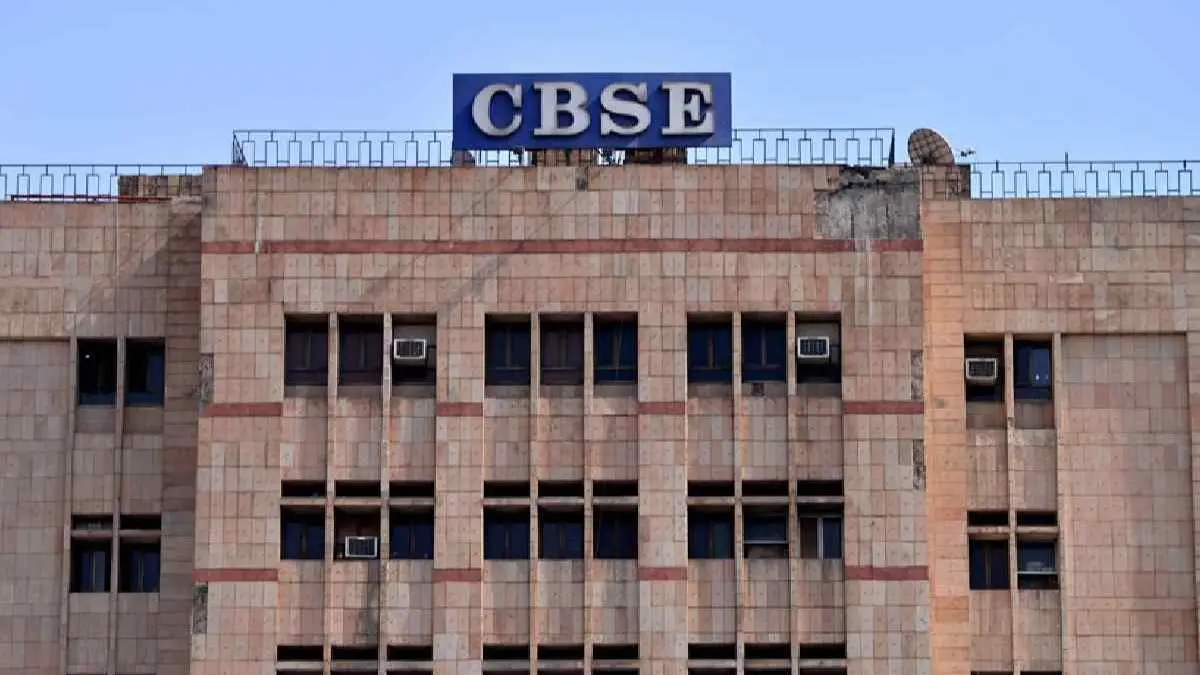
New Delhi [India], May 24 (ANI): Following widespread social media backlash and anxiety among students over the newly introduced digital evaluation process, the Union Ministry of Education has stepped in to monitor the situation.
Top sources told ANI that the Ministry is closely providing administrative oversight to the Central Board of Secondary Education (CBSE) and is vigilantly monitoring the final outcomes of the Class 12 board results. The intervention follows allegations of marking discrepancies, blurred scans, and technical portal glitches related to the On-Screen Marking (OSM) system introduced for the Class 12 board evaluations this year.
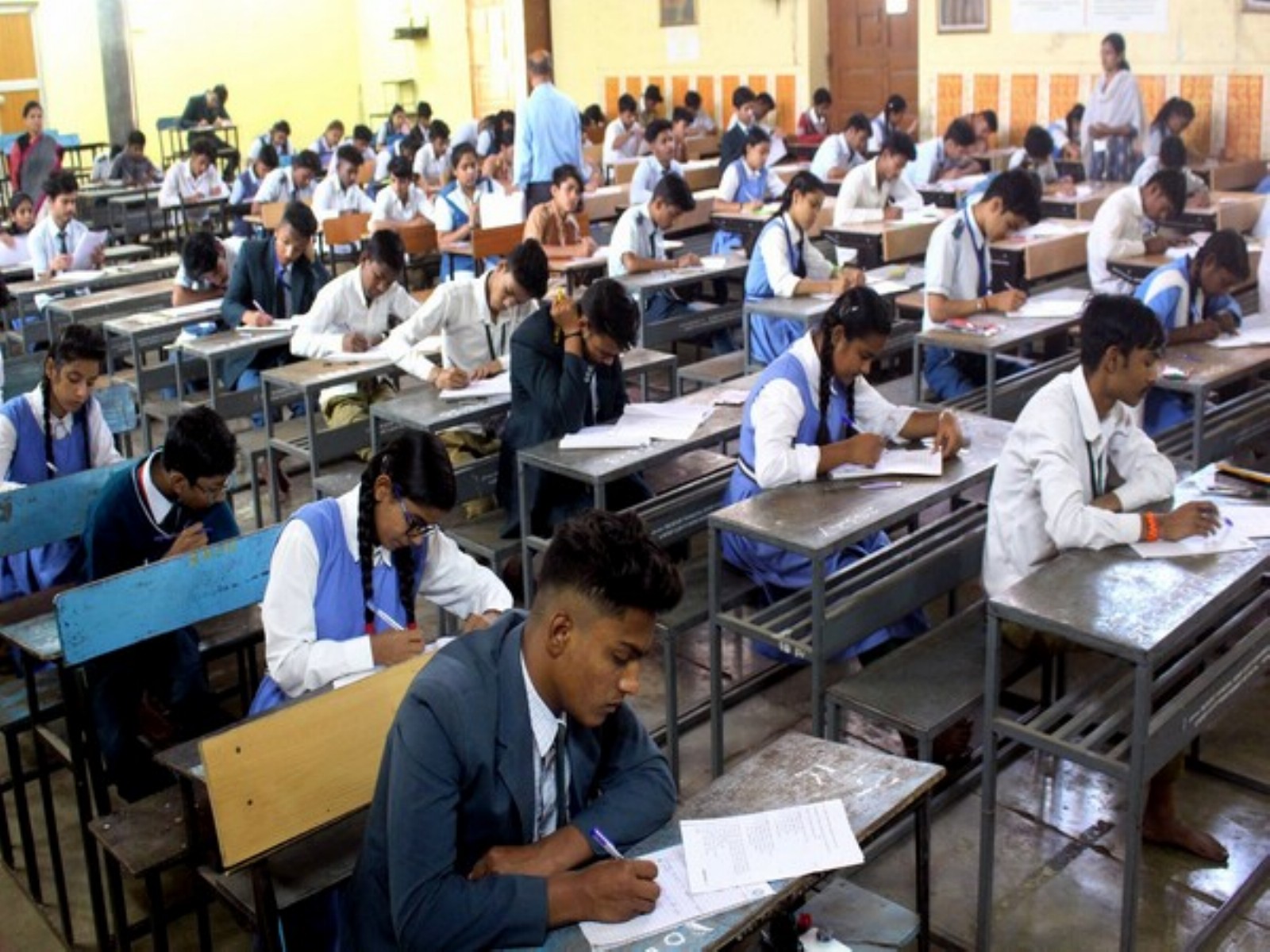
According to high-level Ministry sources, the government is treating student grievances as a priority while simultaneously assessing the efficiency of the digital transition. The Education Ministry is working hand-in-hand with CBSE leadership to track data logs from the ongoing re-evaluation and verification window. Officials are monitoring the final corrected metrics to evaluate if systemic glitches contributed to the noticeable 3.19% drop in this year's overall Class 12 pass percentage (which hit a multi-year low of 85.20%).
Sources emphasised that while technology-driven standardisation is necessary, the administrative oversight is aimed at ensuring "no child is inconvenienced" or unfairly penalised during college admissions due to initial technical bottlenecks. Under the newly deployed On-Screen Marking (OSM) system, CBSE scanned nearly 98.6 lakh physical answer scripts. Over 77,000 trained teachers then evaluated them digitally, moving away from traditional paper-based grading.
The shift drew sharp criticism after students, including JEE Main qualifiers, reported unexpectedly low theory marks in numerical and science subjects such as Physics, Chemistry, Mathematics, Accountancy, and Economics.
Complaints intensified when the re-evaluation window opened. Students downloaded scanned copies and shared them online, alleging: unchecked answers, missing step marks in multi-page responses, blurry/unreadable scans, mismatches between page-wise marks and final totals, and repeated server crashes with payment failures on the re-evaluation portal.
The Education Ministry is monitoring outcomes closely. However, senior officials have denied any systemic failure, calling the viral social media posts "isolated cases that were amplified."
Education Secretary Sanjay Kumar said that of 98 lakh answer sheets, about 68,000 scanning anomalies were initially flagged. That number dropped to ~13,000 unreadable cases, which were then evaluated manually.
To reduce the burden on families, CBSE cut re-evaluation fees to ₹100 per subject. Despite current "teething issues," Ministry sources indicated the digital OSM system is likely to continue in the next academic cycle, with improved data frameworks and stronger infrastructure.
Advertisement
Get Current Updates on India News, Entertainment News, Cricket News along with Latest News and Web Stories from India and around the world.