
DYK Pets Suffer From Separation Anxiety? Know Symptoms, Causes, Ways to Help Your Furry Friends
Separation anxiety is a common behavioural issue that happens not just in humans but also in dogs and cats when they are left alone.
- Lifestyle News
- 3 min read

;'%3e%3cpath%20d='m8,15.99c4.41,0,7.99-3.58,7.99-7.99S12.41,0,8,0,0,3.59,0,8s3.58,7.99,7.99,7.99Z'%20style='stroke:%23fff;%20stroke-miterlimit:10;%20stroke-width:.02px;'/%3e%3cpath%20d='m3.08,3.37l3.82,5.11-3.84,4.15h.87l3.37-3.64,2.72,3.64h2.94l-4.04-5.39,3.58-3.87h-.86l-3.1,3.35-2.5-3.35h-2.94Zm1.27.64h1.35l5.97,7.99h-1.35l-5.97-7.99Z'%20style='fill:%23fff;'/%3e%3c/g%3e%3c/svg%3e)


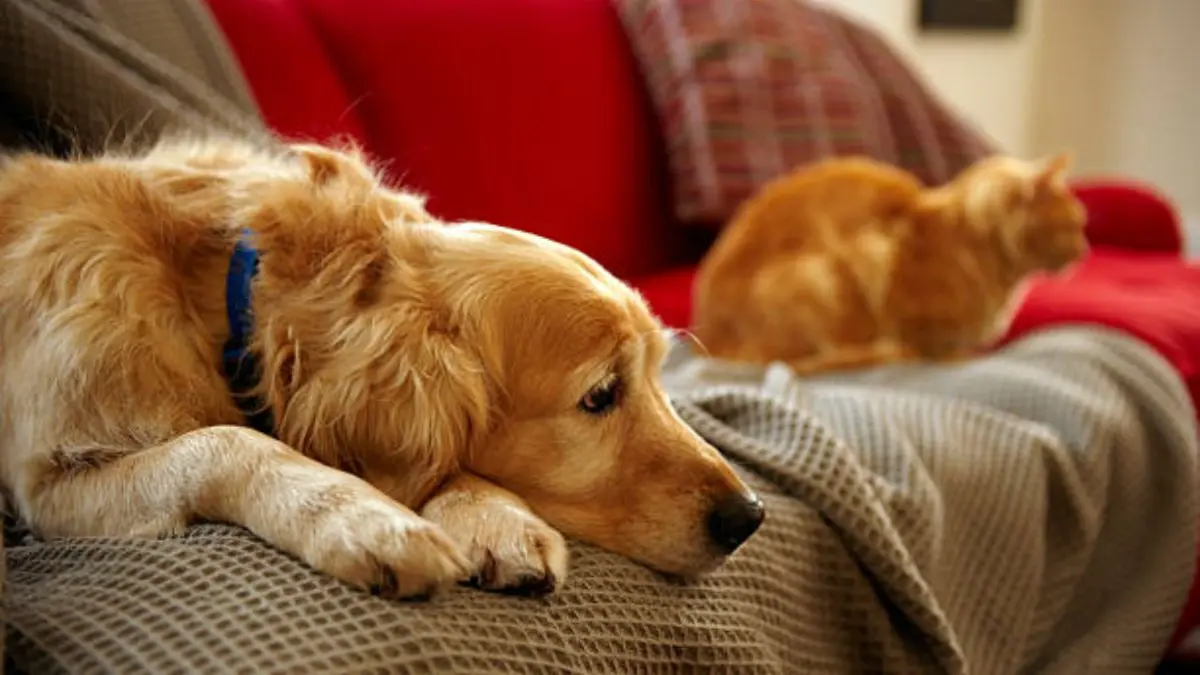
Pets often form strong emotional bonds with their owners. But it gets hard for pets to cope when they are left alone. Many dogs and cats can adjust to short periods of separation, but others feel anxious. This anxiety affects their behaviour and mental well-being. Pet parents can better support their furry friends after learning the symptoms, causes, and ways to manage their anxiety.
What is separation anxiety?

Separation anxiety in pets occurs when they feel stressed and fearful due to being separated from their caregiver. While it is commonly associated with dogs, it can also affect cats. The condition affects not only the dog but also the pet parent, putting a strain on the human-animal bond. This deeply stresses pets and can cause emotional harm. This condition often leads to damage in the home and expensive repairs for its owners.
Symptoms of separation anxiety
The following is a list of symptoms that may indicate separation anxiety:
Excessive vocalisation
Dogs often bark, howl and whine excessively, while cats meow more frequently when left alone. This behaviour is often one of the earliest signs of distress.
Advertisement
Destructive behaviour
Pets can show signs of anxiety and frustration in different ways. They might chew on furniture, scratch doors, damage items at home, or simply try to escape.
Urinating and defecating
Some pets may urinate or defecate when they are left alone or separated from their guardians. Stress can cause these accidents, not just a lack of training.
Advertisement
Changes in eating habits
When pets feel anxious, especially when their owners are not home, they may change how they eat. Many anxious pets might show less interest in their food.
Pacing
Some pets walk or trot along a specific path in a fixed pattern when left alone or separated from their guardians.
Causes of separation anxiety
Pets develop separation anxiety from a combination of environmental changes, genetics, and early trauma:
Changes in routine
Some pets thrive on consistency. Sudden changes in the owner's work schedules, travel habits, and daily routine can trigger anxiety in pets. This leads to them developing separation anxiety.
Moving to a new home
A new environment can cause stress for some dogs and cats. Sometimes they are not able to adjust to new surroundings and unfamiliar smells.
Adoption
Pets are often adopted from shelters. Those who have experienced multiple homes are more prone to separation-related issues.
Loss of a family member or companion animals
The death or loss of a beloved owner, family member, or fellow pet can lead to anxiety and changes in their behaviour.
Long period of isolation
Pets, when often left alone for extended periods, can struggle to cope. They have difficulty adjusting to it, especially when they are accustomed to frequent human interaction.
Lack of socialisation
Some pets may not have learned how to feel comfortable being alone during their early developmental stages.
Traumatic experiences
Past experiences such as abandonment, neglect, or other stressful events may contribute to separation anxiety later in life.
How can you support your pets?
When your pets are dealing with separation anxiety, there are several effective ways to help them feel more at ease:
– Offer interactive toys to keep them engaged.
– Stick to a consistent routine to provide stability.
– Make sure they get plenty of regular exercise.
– Gradually increase the amount of time they spend alone to help them adjust to being apart.