
DYK Your Pets Feel The Heat Too? Heat stroke Signs Every Pet Parent Should Know
Extreme summer temperatures can be dangerous not only for humans but also for pets. Experts say dogs and cats are vulnerable to heatstroke and dehydration during heatwaves.
- Lifestyle News
- 4 min read

;'%3e%3cpath%20d='m8,15.99c4.41,0,7.99-3.58,7.99-7.99S12.41,0,8,0,0,3.59,0,8s3.58,7.99,7.99,7.99Z'%20style='stroke:%23fff;%20stroke-miterlimit:10;%20stroke-width:.02px;'/%3e%3cpath%20d='m3.08,3.37l3.82,5.11-3.84,4.15h.87l3.37-3.64,2.72,3.64h2.94l-4.04-5.39,3.58-3.87h-.86l-3.1,3.35-2.5-3.35h-2.94Zm1.27.64h1.35l5.97,7.99h-1.35l-5.97-7.99Z'%20style='fill:%23fff;'/%3e%3c/g%3e%3c/svg%3e)


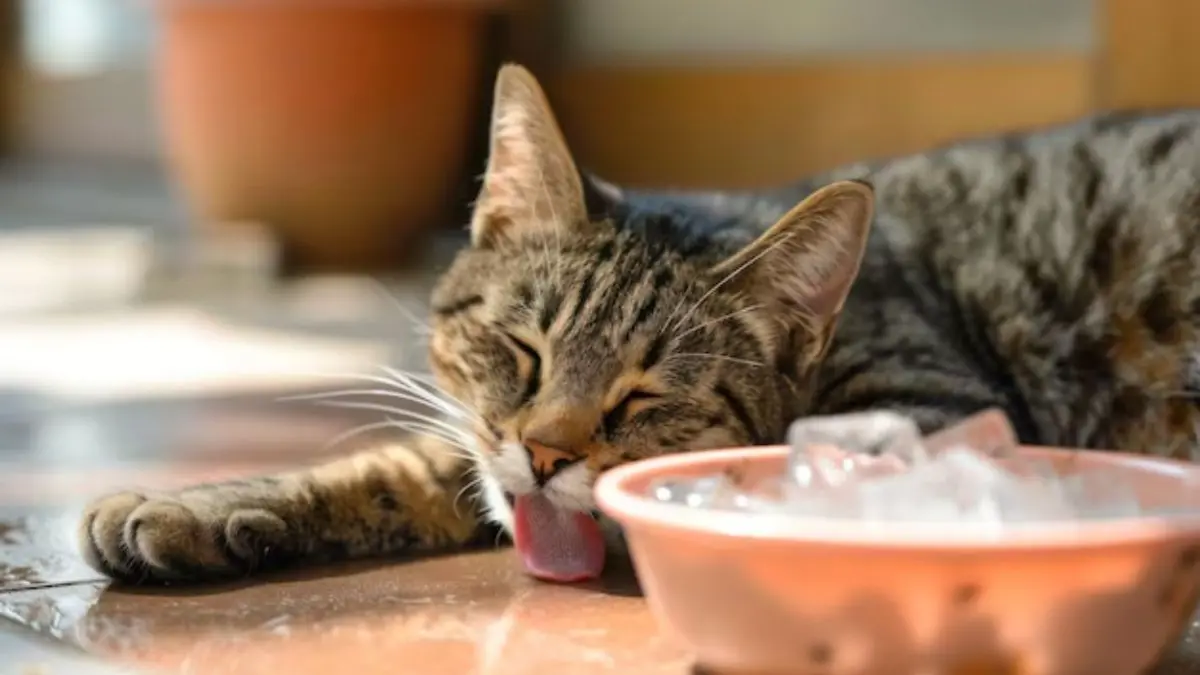
As temperatures continue to rise across various parts of the country, it has become extremely difficult for humans and animals to stay cool. While humans can use fans, cool drinks, and air conditioning, pets struggle silently in extreme heat. Hot weather can quickly become dangerous for both dogs and cats. The most affected are furry breeds due to their thick fur and old dogs due to their age. Proper hydration and avoiding outdoor heat are the key factors to protect pets during summer.
Heatstroke in pets

Heatstroke happens when a pet's body temperature rises dangerously high, and they are unable to cool down properly. Unlike humans, dogs and cats cannot sweat efficiently through their skin. Panting is one way for dogs to cool themselves down, which becomes less effective during extreme heat. According to the American Veterinary Medical Association, heatstroke in pets can become life-threatening if immediate care is not provided.
Why are pets more vulnerable during heatwaves?
Since pets are covered in fur naturally, hot weather makes it harder for them to tolerate the heat. Poor ventilation and humidity make the situation even worse. Flat-faced dogs, aka dogs with short heads such as pugs, bulldogs and shih tzus, face great difficulty breathing in hot temperatures. Overweight animals, puppies and kittens, and old-age dogs are also more vulnerable during summer. Experts say even indoor pets may overheat if rooms are not properly ventilated.
Also Read: Should You Let Pets Sleep Next To You?
Advertisement
Common signs of heatstroke in pets
Recognising symptoms early can help prevent serious complications. Some signs include:
Excessive panting
Dogs and cats don't sweat like humans; they rely on heavy panting to evaporate moisture from their tongues and airways to cool down. When this cooling mechanism fails, their internal body temperature dangerously spikes.
Advertisement
Drooling
It is a major sign of heatstroke in both dogs and cats because it is their body’s attempt to cool down and an indicator of severe physical distress.
Rapid breathing
When dogs and cats' natural cooling mechanism is pushed to its absolute limit, the breathing becomes more frantic and laboured as they struggle to cool down their rising core body temperature.
Bright red gums
A study at the Royal Veterinary College explained that bright red gums are considered a sign of heatstroke because the body is overworking to shed excess heat. When the body's internal temperature rises to a high level, the blood flow is aggressively diverted towards the mucous membranes to cool the body, which causes the gums to become bright red.
Difficulty walking
According to PetMD, wobbling and trouble walking in pets is considered a sign of heatstroke. It happens when extreme body heat deprives the brain of oxygen and causes severe dehydration, directly triggering central nervous system failure.
What to do if a pet shows signs of heatstroke?
If a pet appears overheated, experts suggest moving the animal to a cooler place immediately. Offer cool but not ice-cold water and gently use wet towels to lower body temperature. However, experts warn against sudden extreme cooling, which may shock the body. Pet owners are advised to contact a veterinarian immediately if symptoms appear serious. Quick action during heatstroke may significantly improve a pet’s chances of recovery.
How to keep pets cool during summer
Experts recommend several simple steps to help these furry friends stay comfortable during extreme heat:
Keep clean drinking water available at all times
Leave several bowls of fresh, cold water throughout the house. For outdoors, consider insulated bowls or add ice cubes to keep the water chilled.
Offer light meals and hydrating foods
Feed small portions more frequently than large single portions. Feeding light foods makes them feel “lighter” in the heat.
Keep pets indoors during peak afternoon heat
Avoid taking the pets out for a walk or intense outdoor activities during peak afternoon heat, because it might help in preventing severe healthcare emergencies like heatstroke, severe dehydration, and sunburn.
Ensure proper ventilation indoors
Poorly ventilated indoor spaces trap environmental heat. In these conditions, a pet's body temperature can skyrocket to dangerous levels in a matter of minutes.
Use cooling mats, wet towels, or shaded areas
A cooling mat can be an important factor in preventing this condition by providing a consistently cool surface for your pet to rest on and lowering their body temperature. Allow them to eat in shaded or cooler places. A cooler place increases the desire to eat, and the appetite will be better.