
When Is Masan Holi 2026? Know About This Unique Varanasi Celebration Where Ashes Replace Gulal
The festival of colours, Holi, gets a completely different colour in Kashi. Celebrated days before Holi, the day will be observed in Varanasi on February 28, this year.
- Lifestyle News
- 3 min read

;'%3e%3cpath%20d='m8,15.99c4.41,0,7.99-3.58,7.99-7.99S12.41,0,8,0,0,3.59,0,8s3.58,7.99,7.99,7.99Z'%20style='stroke:%23fff;%20stroke-miterlimit:10;%20stroke-width:.02px;'/%3e%3cpath%20d='m3.08,3.37l3.82,5.11-3.84,4.15h.87l3.37-3.64,2.72,3.64h2.94l-4.04-5.39,3.58-3.87h-.86l-3.1,3.35-2.5-3.35h-2.94Zm1.27.64h1.35l5.97,7.99h-1.35l-5.97-7.99Z'%20style='fill:%23fff;'/%3e%3c/g%3e%3c/svg%3e)


Holi, the festival of colours, will be celebrated on March 4 this year. The day is characterised by images of bright gulal, water balloons and joyful street celebrations. However, in the spiritual heart of India, Varanasi, a dramatically different Holi takes place. Typically held days before the actual Holi, Kashi's Masan Holi is both mystical and deeply symbolic.
When is Kashi's Masan Holi in 2026?
Interestingly, Masan Holi usually takes place after Rangbhari Ekadashi, marking the symbolic arrival of Goddess Parvati in Varanasi after her marriage to Lord Shiva. From that day onwards, Holi celebrations intensified in the city, culminating in the nationwide festival of colours. This year, Rangbhari Ekadashi will be celebrated on February 27. Consequentally, Masan Holi will be played on February 28.
Also Read: When Is Holika Dahan 2026? Date, Rituals And Significance Of Choti Holi
What is Masan Holi?
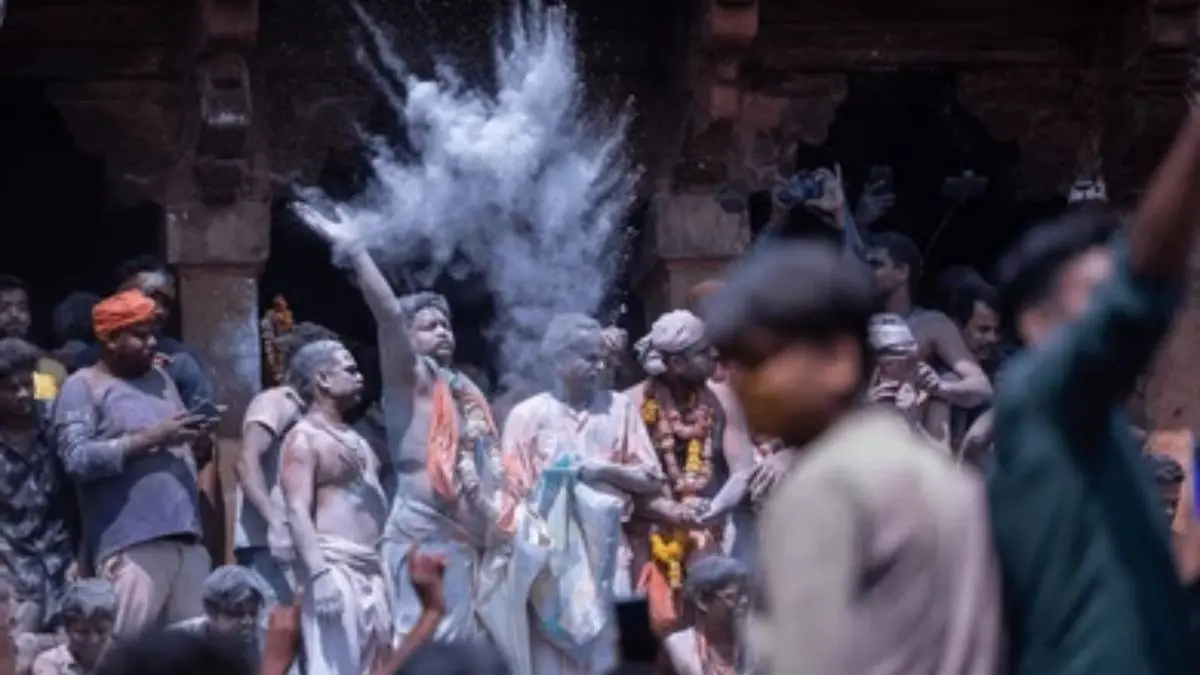
In Varanasi, a rare and powerful tradition known as Masan Holi replaces vibrant colours with ashes from funeral pyres. “Masan” refers to the cremation ground. Masan Holi is observed primarily at the iconic Manikarnika Ghat, one of the oldest and most sacred cremation ghats in the country. It can also be seen at the Harishchandra Ghat. Here, instead of smearing each other with colours, devotees and Aghori sadhus apply ashes from the pyres as a mark of spiritual awakening and detachment.
The ritual is closely associated with Lord Shiva, who is believed to frequent cremation grounds and is often depicted smeared in ash. According to local legends, after celebrating Holi with Goddess Parvati, Lord Shiva visited the cremation grounds and played Holi with spirits and ascetics. To honour this belief, devotees gather at the ghats a few days before the main Holi festival to participate in Masan Holi.
Also Read: Rang Bhari Ekadashi 2026: Date And Significance Of The Auspicious Day
Advertisement
Masan Holi significance
The atmosphere during Masan Holi is unlike any other Holi celebration. Amid chanting of “Har Har Mahadev,” the beating of drums and devotional songs dedicated to Lord Shiva, ash is gently tossed into the air, creating a surreal grey haze. The sight may appear intense to outsiders, but for participants, it represents acceptance of life’s ultimate truth, mortality.
In Hindu philosophy, ash symbolises the transient nature of human life. By playing Holi with ashes, devotees acknowledge that everything eventually turns to dust. It is a reminder to shed ego, material attachments and fear of death. The ash is also symbolically believed to cleanse a person from the inside. It is believed, that a person can purify themselves by participating in Kashi's Masan Holi. This spiritual message sets Masan Holi apart from the more playful, colour-filled festivities celebrated across India.
Also Read: Why Is Bhaang Offered To Lord Shiva And Consumed On Maha Shivratri?