Apple Hikes Prices of MacBooks, iPads Amid AI-Driven Memory Shortage. Should Indian Buyers Be Worried?
Among the affected products are the MacBook Neo, MacBook Air, MacBook Pro, iPad Air, and iPad Pro.
- Tech News
- 3 min read

;'%3e%3cpath%20d='m8,15.99c4.41,0,7.99-3.58,7.99-7.99S12.41,0,8,0,0,3.59,0,8s3.58,7.99,7.99,7.99Z'%20style='stroke:%23fff;%20stroke-miterlimit:10;%20stroke-width:.02px;'/%3e%3cpath%20d='m3.08,3.37l3.82,5.11-3.84,4.15h.87l3.37-3.64,2.72,3.64h2.94l-4.04-5.39,3.58-3.87h-.86l-3.1,3.35-2.5-3.35h-2.94Zm1.27.64h1.35l5.97,7.99h-1.35l-5.97-7.99Z'%20style='fill:%23fff;'/%3e%3c/g%3e%3c/svg%3e)


Apple has officially increased the prices of several MacBook and iPad models globally, blaming an unprecedented surge in memory and storage chip costs driven by the artificial intelligence boom.
Which Apple Products Have Become More Expensive?
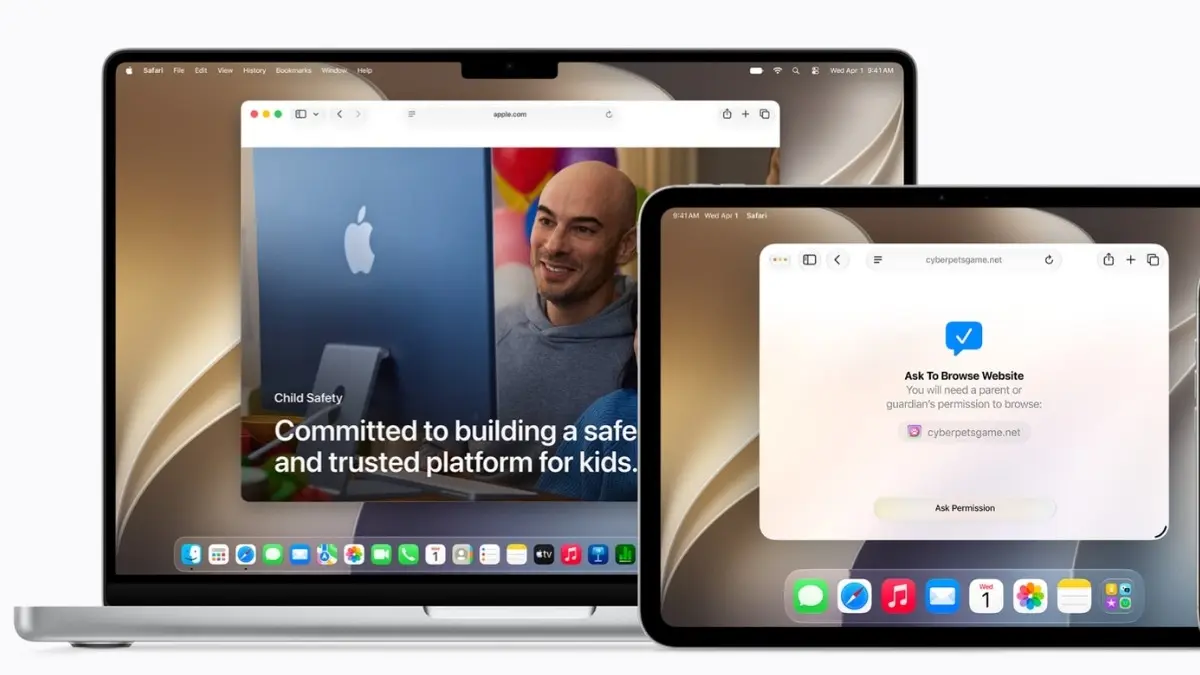
Apple has increased the prices of several Macs, iPads, and smart home devices. Among the affected products are the MacBook Neo, MacBook Air, MacBook Pro, iPad Air, and iPad Pro. HomePod and HomePod mini are also more expensive now.
The biggest jump is in the MacBook Neo's price, which now costs ₹79,900 for the base model instead of ₹69,900. Similarly, the MacBook Air M5 now starts at ₹1,49,900 for the 13-inch model, up from ₹ 1,19,900, and at ₹ 1,79,900 for the 15-inch model, up from ₹ 1,49,900. The base models for the MacBook Pro M5 Pro and M5 Max now cost ₹2,99,900 and ₹4,99,900, respectively, significantly up from their launch prices of ₹2,49,900 and ₹3,99,900. The regular M5 version of the MacBook Pro now costs ₹2,39,900, as opposed to the launch price of ₹1,69,900.
Apple has also revised the pricing for the iPad Air 11-inch base model with Wi-Fi, which now costs ₹89,900 instead of ₹59,900. The iPad Pro M5 now costs ₹1,39,900 for the base Wi-Fi model, significantly up from ₹99,900.
Advertisement
Similarly, the HomePod (2nd Gen) is now priced at ₹44,900, up from the previous cost of ₹32,900. The HomePod mini now costs ₹15,900, as opposed to the launch price of ₹9,900.
Notably, Apple has not raised iPhone prices at this stage, despite earlier concerns that the upcoming iPhone lineup could also become more expensive.
Advertisement
Why Is Apple Raising Prices?
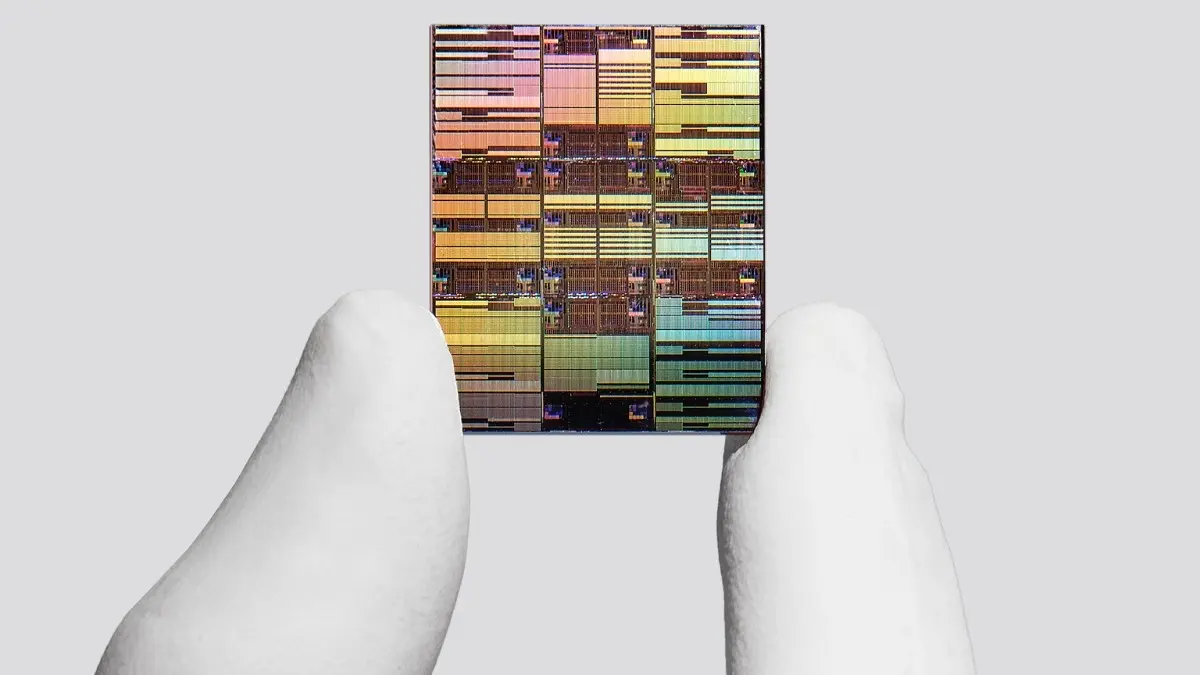
The answer lies in AI. Over the past year, companies including Microsoft, Google, Meta, OpenAI, and Amazon have dramatically expanded their AI infrastructure, leading to an unprecedented demand for memory chips used in data centres.
As suppliers prioritise high-margin AI customers, manufacturers of consumer electronics have found it increasingly difficult and expensive to secure DRAM and NAND memory chips used in laptops, tablets, smartphones, gaming consoles, and even cars.
Industry tracker TrendForce estimates that DRAM prices nearly doubled during the first quarter of 2026 and are expected to continue rising through the current quarter.
Tim Cook: We Could No Longer Absorb the Costs
Apple CEO Tim Cook had already warned that price increases were inevitable. In an interview earlier this month, Cook said Apple had tried to shield customers from rising component costs but could no longer continue doing so.
"We've been trying to shield our customers from the increases, but the situation has become unsustainable," Cook said while explaining the company's decision to pass some of the additional costs on to consumers.
Apple also noted that despite its extensive supply chain and inventory management, the pace at which memory prices have risen is unlike anything the company has experienced before.
The AI Boom Is Now Affecting Consumer Electronics
The development highlights an unexpected side effect of the AI race. Companies are spending billions of dollars building AI data centres, consuming enormous quantities of memory and storage chips that would otherwise go into consumer devices. As a result, everyday gadgets are becoming more expensive, even for people who have no interest in AI.
For Apple, this is one of the broadest price revisions in recent years. For consumers, it is a reminder that the cost of the AI boom is no longer limited to cloud infrastructure. It is beginning to show up in the price tags of the devices sitting on store shelves as well.