
The Fold That Won My Affection: Samsung’s Galaxy Z Fold 8 Ultra Is a Little Masterpiece of Two Worlds
With a brilliant outdoor display, effortless performance and a battery that can last two days, Samsung’s expensive, slender foldable comes remarkably close to getting the balance right. After a month together, I am rather reluctant to let it go.
- Tech News
- 11 min read

There are phones that impress you in a shop, phones that reveal their virtues over a week, and then there are those that quietly establish a place in your life. The Samsung Galaxy Z Fold 8 Ultra belongs to the last category. It is a device I have used for almost a month, and somewhere between the pleasure of watching a video on its expansive screen and the satisfaction of seeing its battery refuse to surrender, I have grown rather fond of it.
Samsung has continued from where the excellent Galaxy Z Fold 7 left off. The Fold 8 Ultra is its more ambitious offering, sitting above the new, passport-shaped Galaxy Z Fold 8. Closed, the Ultra has the familiar proportions of a conventional smartphone. Open it, and the familiar phone becomes an eight-inch tablet. The transformation is still a small piece of technological theatre, even when performed for the hundredth time.
There is something appealing about this arrangement. A tablet ordinarily demands a place in your bag, a little planning and, occasionally, a separate charger. The Fold 8 Ultra is already in your pocket. It does not ask you to decide whether you are carrying a phone or a tablet. It allows you to have both, and leaves the question of which one you need until the moment arrives.
The price, of course, is another matter. This is a premium device, and the buyer must be willing to pay handsomely for the convenience of having two forms of technology folded into one. Yet the Ultra makes a more persuasive case for itself after prolonged use than it does on a specification sheet.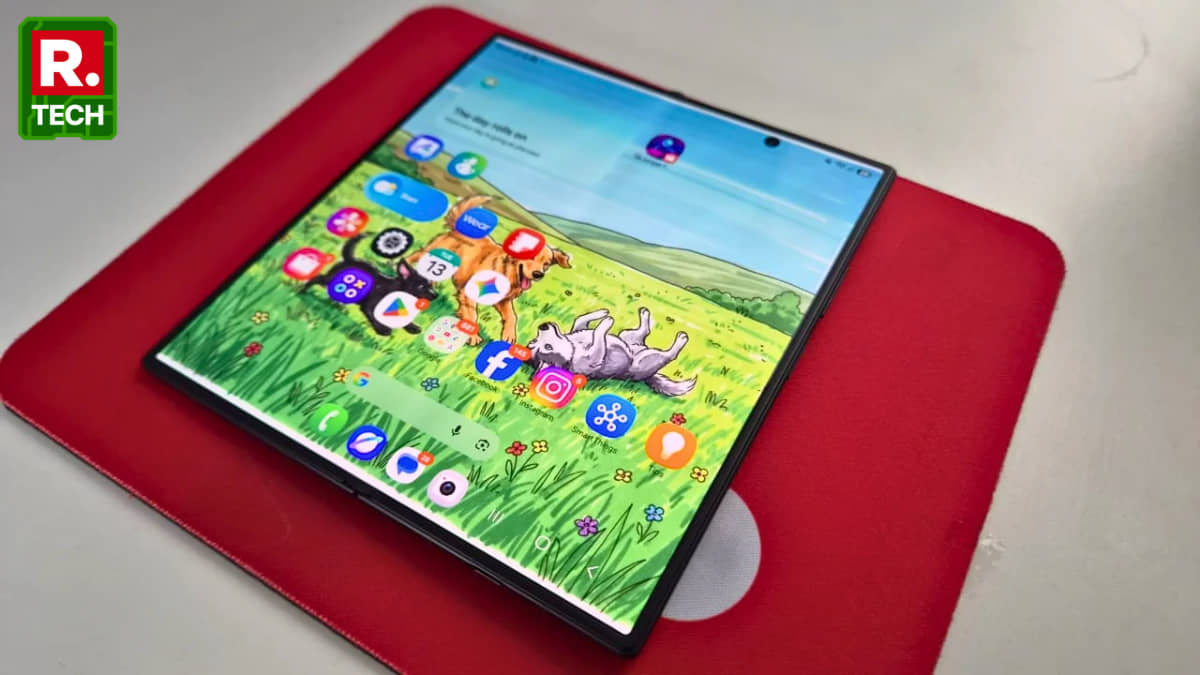
A screen that does not surrender to the sun
The display is where I found one of its most satisfying improvements.
Open the phone, and the eight-inch OLED screen greets you with greater crispness and brightness than its predecessors. The new anti-reflective coating is particularly welcome. I have often struggled to read a screen comfortably while outdoors, especially when sunlight falls directly upon it. With the Fold 8 Ultra, that familiar battle is considerably less troublesome.
This may sound like a modest achievement in an age when manufacturers compete to announce increasingly extravagant specifications. It is not. A screen can be dazzling in a darkened room and thoroughly tiresome in the open air. The Fold 8 Ultra is more obliging where it matters: in actual use.
The larger display also changes the character of ordinary activities. Watching YouTube or other video platforms becomes a more involving experience. Games run smoothly, and the extra room makes browsing and multitasking less cramped. There is, inevitably, some black letterboxing when watching certain videos on the squarer internal screen.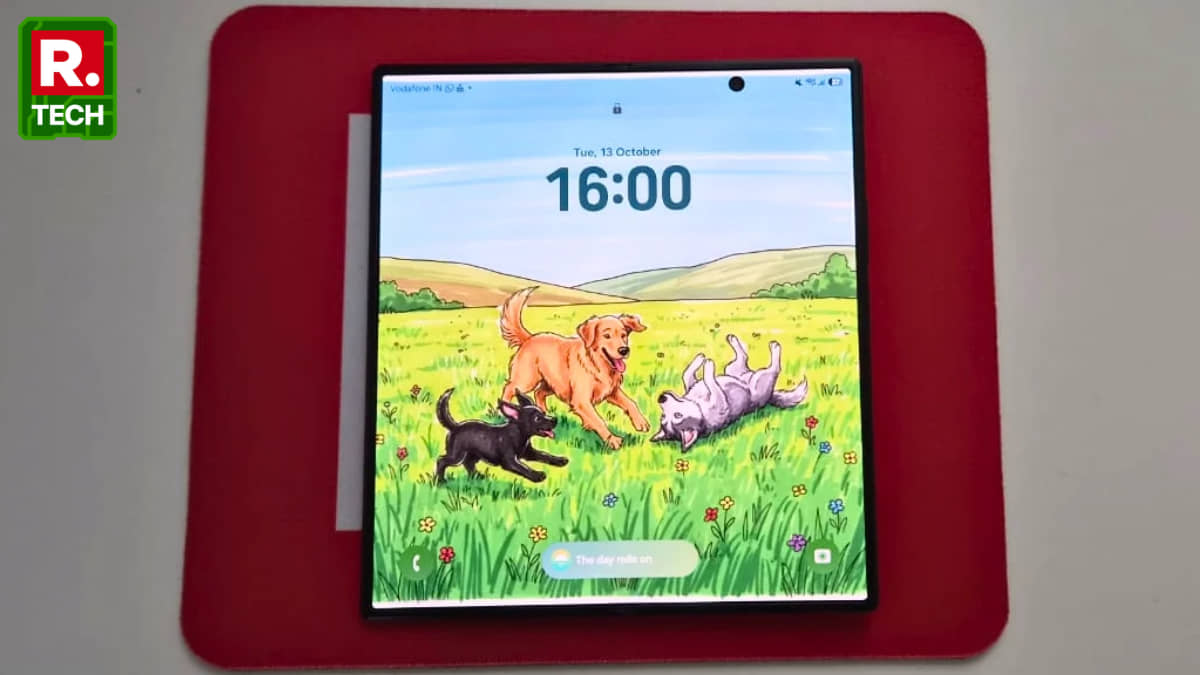
The screen has its own geometry, and not every film or video has been made to accommodate it. But I would rather have the generous canvas and the occasional black bars than surrender the space altogether.
The Fold 8 Ultra has the unusual virtue of making a technological luxury feel useful. Its screen is not simply something to admire. It is something to work, watch, read and play on.
The small artist in the family
The phone's most enthusiastic admirer in my home, however, has not been me.
My little one discovered the device's possibilities with the sort of immediate conviction that adults often lose beneath the burden of specifications and price comparisons. She downloaded an AR Drawing app and began sketching. Opened out, the phone offered her a larger canvas, one that made the exercise more comfortable and enjoyable.
Before long, the Fold 8 Ultra was spending a good deal of its time in her hands.
There is a particular pleasure in watching a child discover a use for a device that its makers may not have imagined as one of its principal selling points. For Samsung, the eight-inch display is a triumph of engineering. For her, it is a drawing board that happens to fold and can be carried around.
And so a phone that I had been testing for its cameras, processing power and battery life became an instrument of childhood concentration. I had intended to examine the device. She had other plans for it.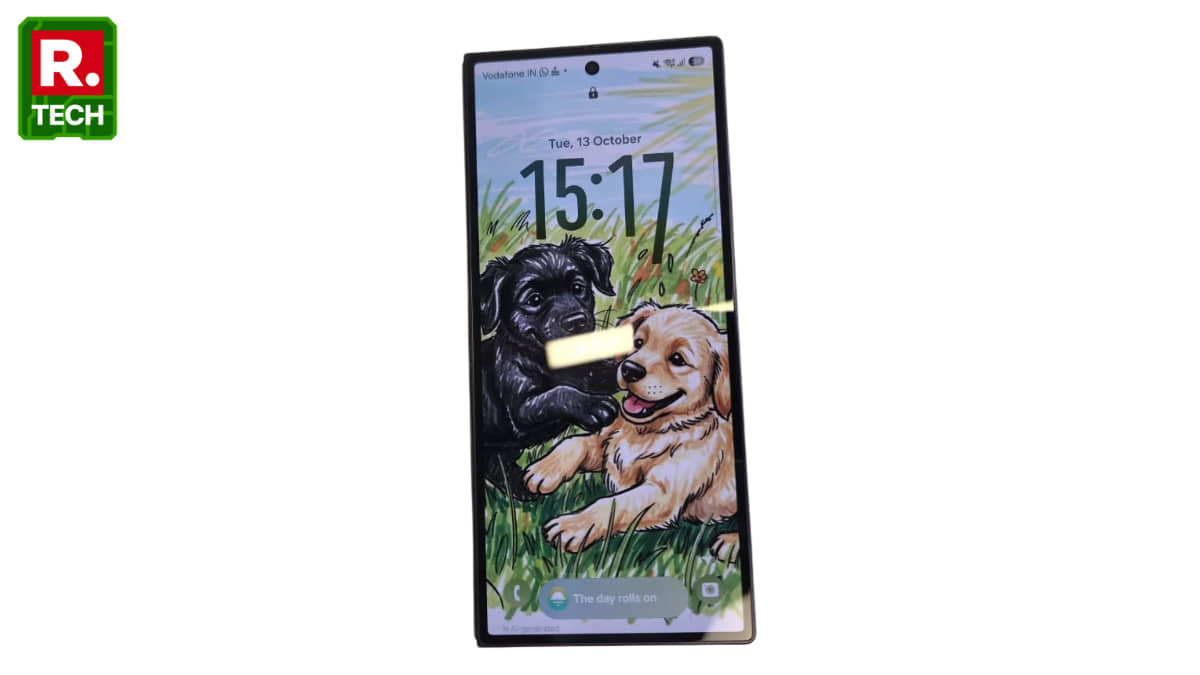
It is perhaps the best compliment one can pay a piece of consumer technology: it offers enough possibilities for somebody else to discover a new reason to use it.
A battery with staying power
A large screen is a fine thing, but it is of little use if the battery spends the afternoon pleading for mercy. This is where the Fold 8 Ultra has been particularly impressive in my experience.
The battery is larger than that of its predecessor, and Samsung claims a 13.6% increase in capacity. In my use, the improvement has translated into a reassuring endurance. Even with demanding activities such as gaming and AI-assisted sketching, I have not found the battery giving up as readily as I might have expected from a device with such a substantial display.
Two days of use is a realistic possibility, depending, naturally, on how heavily one uses the phone. It is not a promise that every user will enjoy the same result. Brightness, gaming, mobile connectivity and the number of hours spent with the internal screen open will all have their say. But the battery has proved one of the device's strongest qualities.
There is a psychological comfort in not watching the battery percentage with the anxiety of a man following the last few overs of a close cricket match. One begins to use the phone more freely, rather than rationing its pleasures. That freedom is worth more than a number printed on a specification sheet.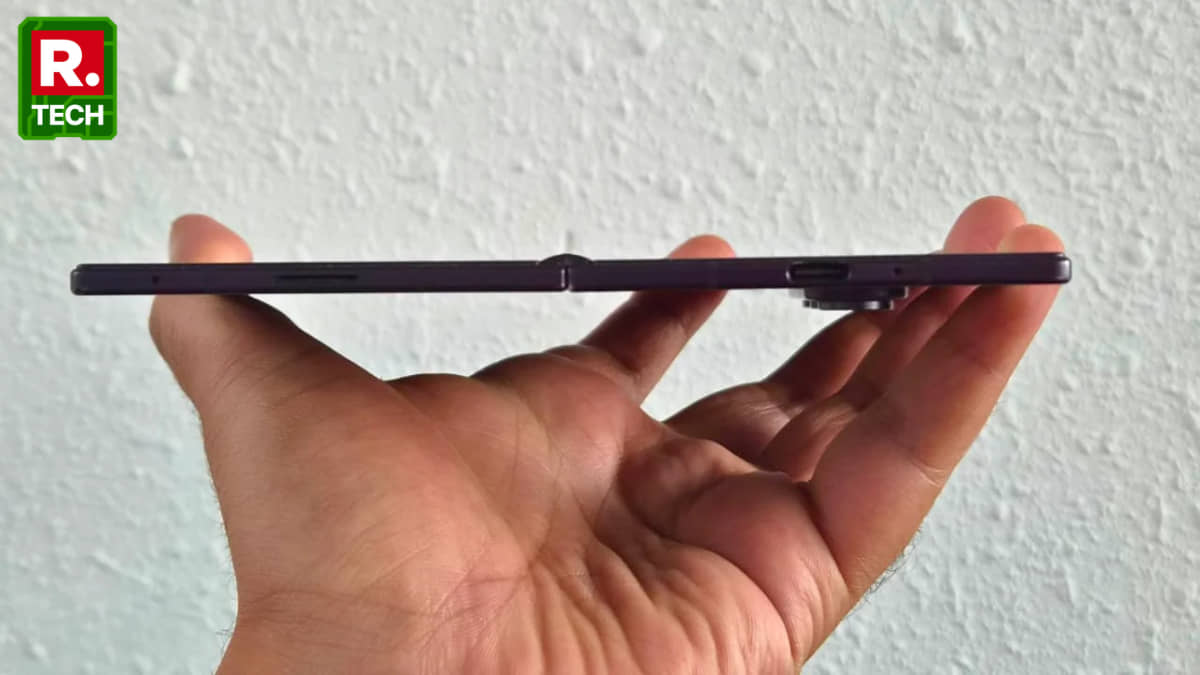
Samsung also rates the battery for at least 1,200 full-charge cycles while retaining a minimum of 80% of its original capacity. That should reassure buyers thinking beyond the initial excitement of an expensive purchase, though real-world longevity will depend on charging habits and conditions.
Power without the fuss
Inside, the Fold 8 Ultra is powered by Qualcomm's Snapdragon 8 Elite Gen 5 for Galaxy, supported by 12GB or 16GB of RAM, depending on the configuration. It has the sort of performance one expects from a flagship, and it rarely makes a spectacle of the work it is doing.
Multitasking is comfortable, games run smoothly, and the larger display does not feel as though it is asking the processor to perform some heroic feat merely to keep things moving. The best technology often has this quality. It does not continually remind you of its own cleverness.
The phone runs One UI 9, based on Android 17, and the experience feels well suited to its two-in-one form. The ability to move from a conventional phone to a larger working surface is the central proposition, and the software gives that proposition room to breathe.
There are configurations offering 256GB, 512GB and 1TB of storage. For anyone who keeps large quantities of video, photographs, games and other files on the device, the choice matters. A phone of this price and ambition is likely to become a repository for much of one's digital life.
The cameras: let the pictures speak
The Fold 8 Ultra has five cameras: two 10-megapixel selfie cameras, one on each screen, and a triple-camera system on the back, led by a 200-megapixel main camera alongside 50-megapixel and 10-megapixel cameras, with 3x telephoto capability.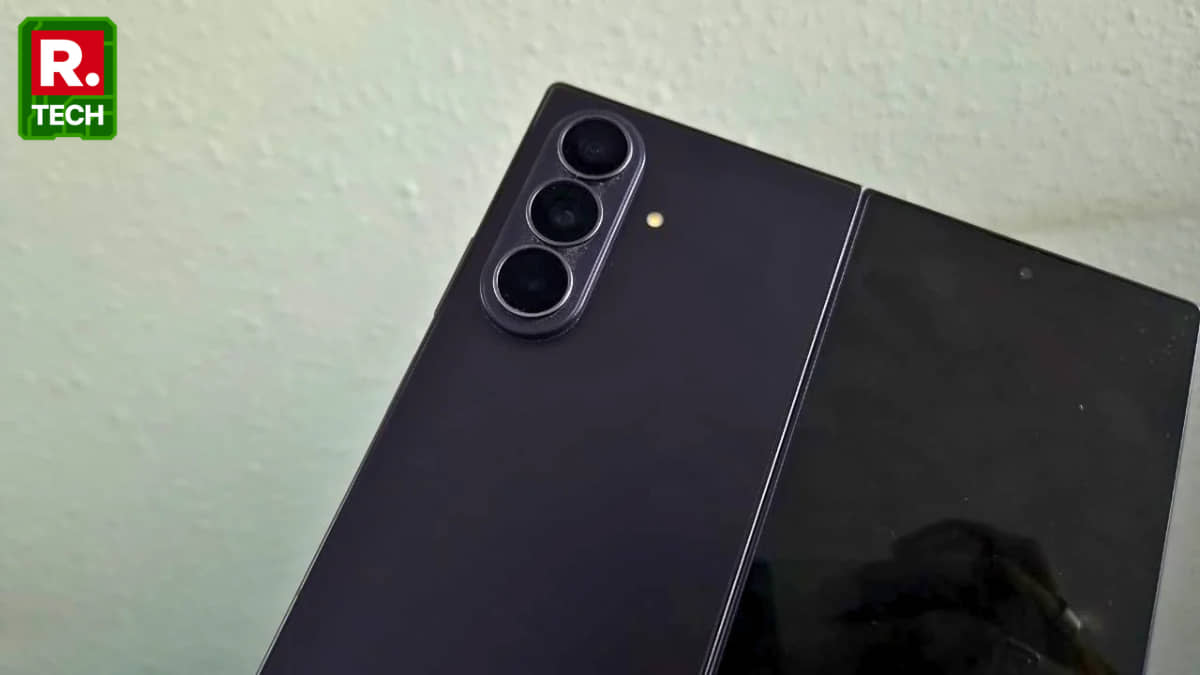
The front cameras are useful for video calls, while the rear system offers a versatile range of options for everyday photography. But I would rather not turn this section into an exercise in translating megapixels into adjectives.
I have taken photographs outdoors, and the results are included here for readers to judge for themselves. Photographs are more revealing than a string of claims about colour, sharpness and dynamic range. A camera review ought to let the pictures do some of the talking.
For my purposes, the cameras form a capable part of a broader package. The Fold 8 Ultra is not merely a phone that happens to open into a tablet; it is a flagship that must still perform the ordinary duties of a smartphone, and do them well.
The crease, the case and a small irritation
No folding phone has yet escaped the compromises imposed by its own design.
The crease in the internal display is less conspicuous than before, but it has not vanished into the realms of myth. With the screen off, it remains visible; run a finger across the fold, and the change in surface can still be felt. The softer material also attracts fingerprints and demands a little more care than the hardened glass found on a conventional smartphone.
These are compromises worth acknowledging, though in my experience they have remained minor irritations rather than reasons to abandon the device. After a while, one becomes accustomed to the crease. The convenience of the larger screen has proved more compelling than the imperfections of the mechanism.
I do, however, have a practical request for Samsung. The rear camera assembly makes the phone awkward to place flat on a table. The raised cameras cause it to sit unevenly, and the problem becomes particularly noticeable when using the device on a hard surface.
Samsung should offer a case designed to address this. An expensive phone ought not to wobble when it is put down to rest. It is a small detail, but small details are precisely where the relationship between a product and its owner is either made comfortable or needlessly complicated.
I have also encountered occasional trouble with auto-rotate. At times, the screen's orientation has not behaved as expected, requiring me to turn the phone around to get it right. It is hardly a catastrophe, but it is the sort of software quirk that becomes tiresome when the rest of the experience is so polished.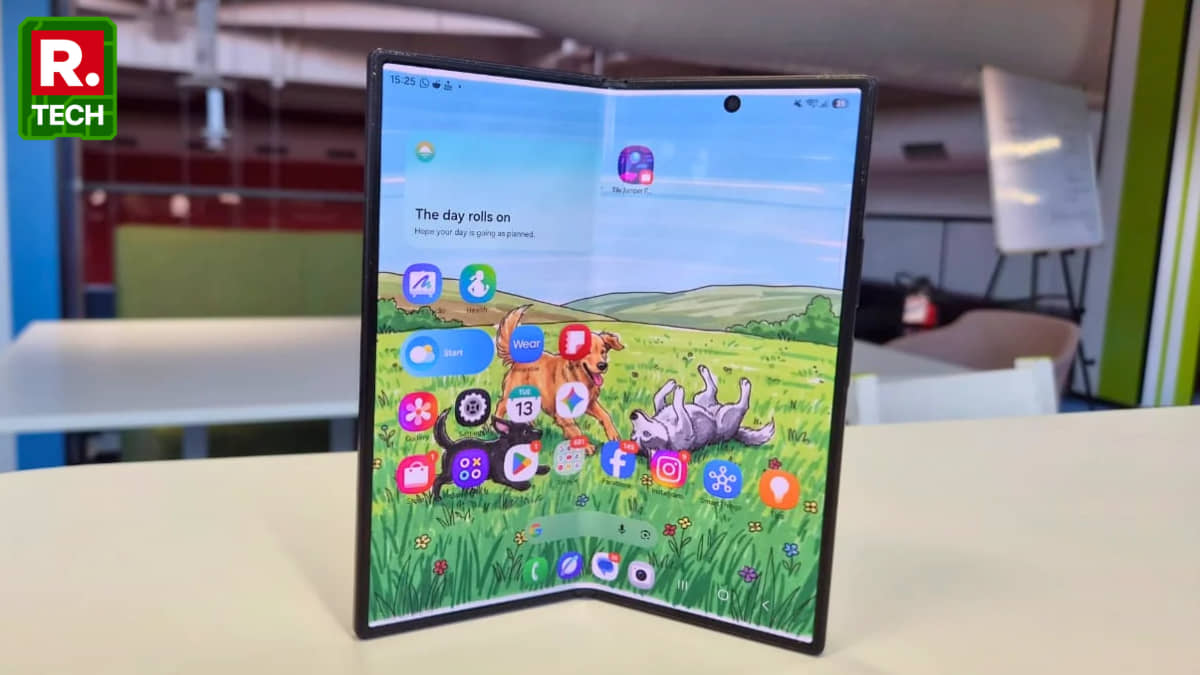
The Fold 8 question
There is one final consideration for anyone contemplating a purchase from Samsung's folding range.
The standard Galaxy Z Fold 8, with its passport-like design, has attracted praise from users who find it more convenient to handle. I have not had a chance to lay hands on that model to offer a direct comparison from personal experience. But the feedback is worth considering.
The Ultra's great attraction is its expansive internal screen, combined with the proportions of a conventional phone when closed. The standard Fold 8, meanwhile, may appeal to those who value a more compact, distinctive shape and a device that feels especially handy in everyday use.
This is not necessarily a contest in which one model must be declared the winner. The right choice depends on what one wants from a foldable. If the larger screen is central to your working day, your viewing habits or your creative pursuits, the Ultra makes a compelling argument. If portability and handling matter more, the standard Fold 8 deserves a close look before you spend your money.
Indeed, the standard model may prove a giant-slayer in its own right. I would urge prospective buyers to handle both phones in a shop before deciding. At this price, a few minutes of real-world handling are worth considerably more than a dozen online comparisons.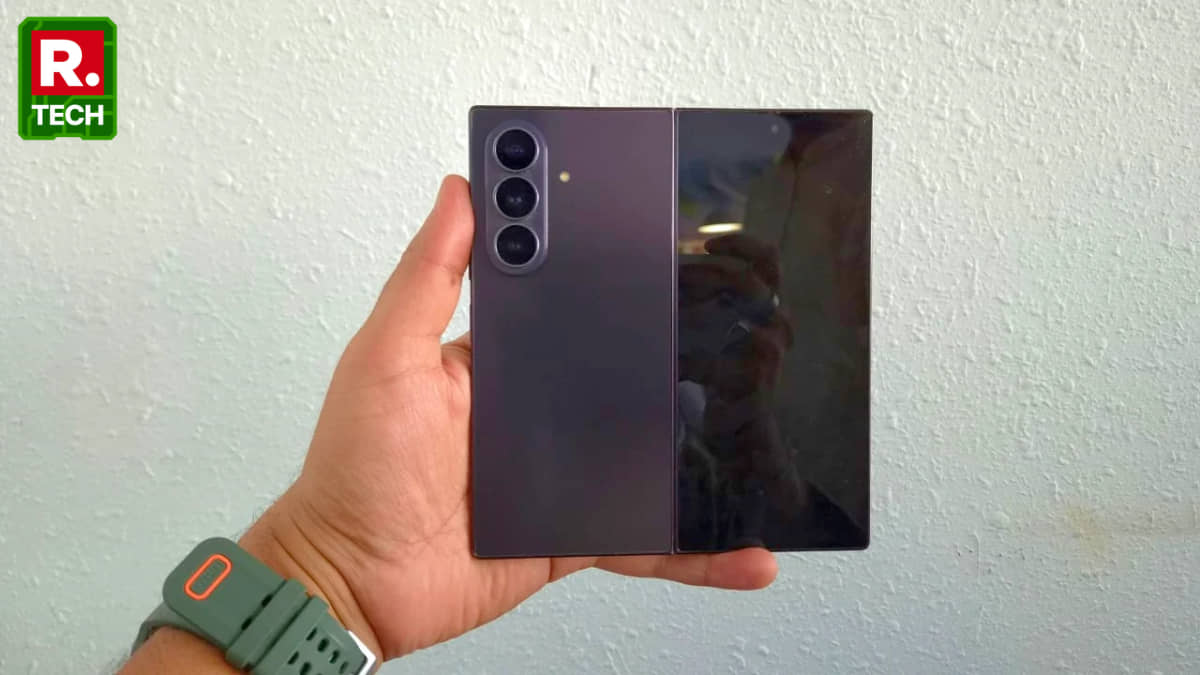
Verdict: A device I am reluctant to put down
The Samsung Galaxy Z Fold 8 Ultra is, in my experience, the most satisfying kind of technological luxury: one that earns its place through use rather than novelty.
Its eight-inch screen is bright, crisp and unusually comfortable outdoors. Its performance is smooth, its battery life has been excellent, and its foldable design allows it to be both a practical phone and a generous tablet. The crease remains, the camera bump needs attention, and the occasional auto-rotate problem deserves fixing. None of these, however, has materially diminished my affection for the device.
I had waited for the iPhone Duo, but its price put it beyond my reach. The Fold 8 Ultra is hardly an inexpensive alternative, yet it has given me little reason to wonder what I might have bought instead. After nearly a month, I find myself reluctant to switch.
That is perhaps the most honest conclusion a reviewer can reach. A phone may win an argument on paper, but living with it is a different matter. The Fold 8 Ultra has become a companion to work, leisure and family life. It has entertained me, served me well outdoors, endured demanding use and, on occasion, been appropriated by a small artist who regards its screen as her own.
A good piece of technology makes itself useful. A very good one makes you miss it when it is not there.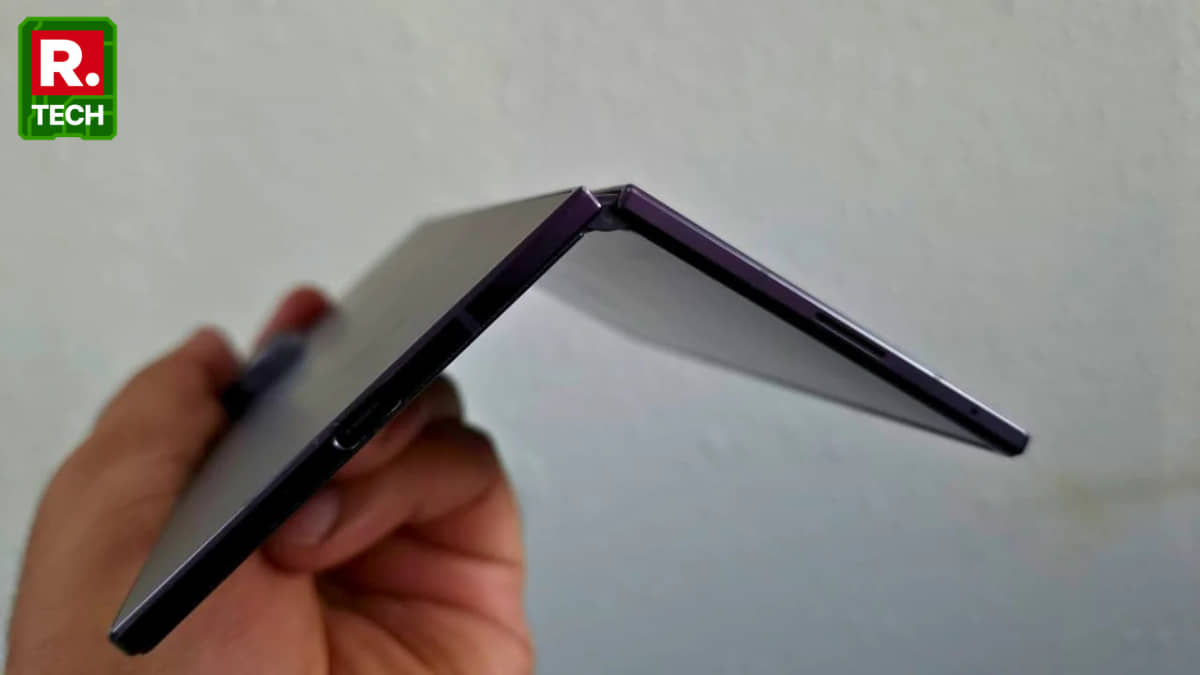
The Fold 8 Ultra has come rather close to the latter.
My advice to Samsung: keep refining the folding screen, sort out the rotation quirk, and give us a case that lets the phone lie flat. The larger task has already been accomplished. Samsung has made the foldable feel less like a compromise between two devices and more like a natural union of them.
For now, I am keeping mine.
Specifications
• Main display: 8-inch QXGA+ 120Hz AMOLED flexible display, 422ppi
• Cover display: 6.5-inch FHD+ 120Hz AMOLED, 422ppi
• Processor: Qualcomm Snapdragon 8 Elite Gen 5 for Galaxy
• RAM: 12GB or 16GB
• Storage: 256GB, 512GB or 1TB
• Software: One UI 9 based on Android 17
• Rear cameras: 200MP + 50MP + 10MP, with 3x telephoto
• Selfie cameras: 10MP on each screen
• Connectivity: 5G, dual SIM, eSIM, USB-C, Wi-Fi 7, NFC, Bluetooth 6 and UWB
• Water resistance: IP48
• Dimensions, folded: 158.4 × 72.8 × 8.9mm
• Dimensions, unfolded: 158.4 × 143.2 × 4.1mm
• Weight: 215g
Published By : Shubham Verma
Published On: 20 October 2026 at 17:40 IST