Delhi EV Policy 2026 Out: No Petrol Two-Wheelers from 2028; Up to ₹1 Lakh Incentive & Tax-Free EVs
The Delhi government estimates the policy will unlock over ₹15,000 crore worth of benefits, including direct incentives and investments in EV infrastructure.
- Automobile News
- 3 min read

;'%3e%3cpath%20d='m8,15.99c4.41,0,7.99-3.58,7.99-7.99S12.41,0,8,0,0,3.59,0,8s3.58,7.99,7.99,7.99Z'%20style='stroke:%23fff;%20stroke-miterlimit:10;%20stroke-width:.02px;'/%3e%3cpath%20d='m3.08,3.37l3.82,5.11-3.84,4.15h.87l3.37-3.64,2.72,3.64h2.94l-4.04-5.39,3.58-3.87h-.86l-3.1,3.35-2.5-3.35h-2.94Zm1.27.64h1.35l5.97,7.99h-1.35l-5.97-7.99Z'%20style='fill:%23fff;'/%3e%3c/g%3e%3c/svg%3e)


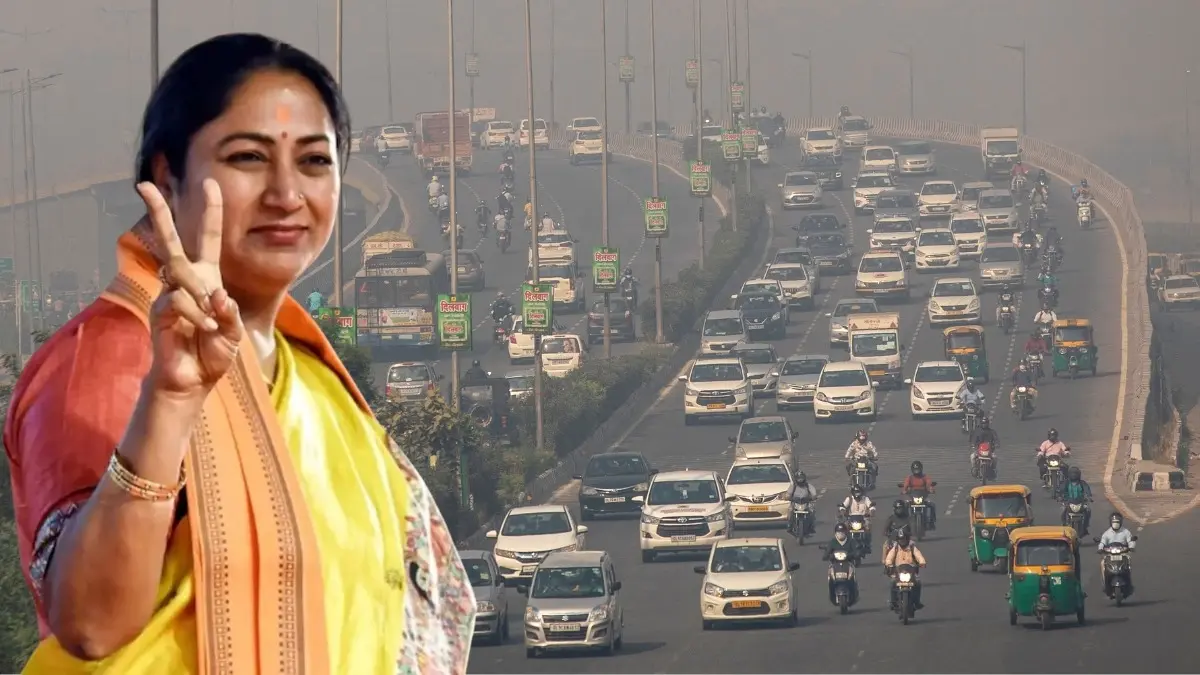
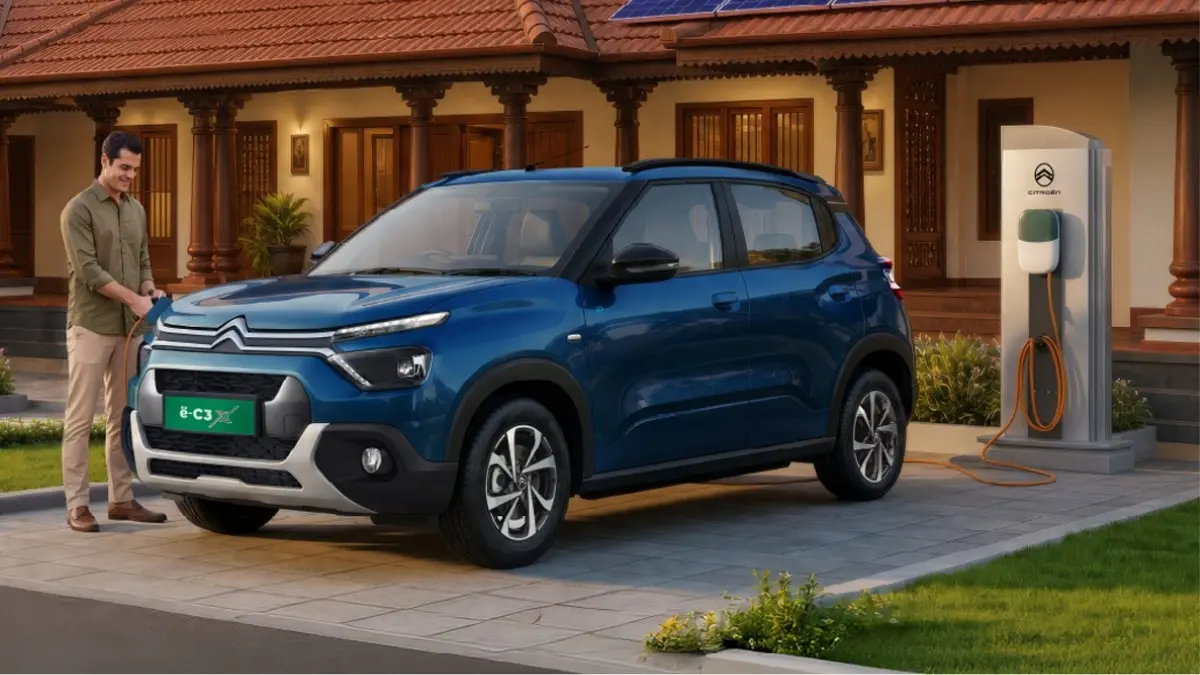
Delhi has unveiled one of India's most ambitious electric vehicle policies yet. The Delhi Cabinet has approved the Delhi EV Policy 2026, a four-year roadmap aimed at accelerating the adoption of electric vehicles while reducing the capital's worsening air pollution.
Proposed to come into force from July 1, 2026, after receiving the Lieutenant Governor's approval, the policy combines purchase subsidies, generous scrappage incentives, tax exemptions, and large-scale charging infrastructure to encourage residents to switch to electric mobility. The government estimates the policy will unlock over ₹15,000 crore worth of benefits, including direct incentives and investments in EV infrastructure.
Up to ₹1 Lakh for Scrapping Your Old Vehicle
The biggest highlight of the new policy is its focus on replacing ageing, polluting vehicles with electric ones. Delhi residents scrapping BS-IV or older vehicles will receive additional incentives over and above the purchase subsidies available under the policy.
The scrappage incentives include:
Advertisement
- ₹10,000 for replacing an old two-wheeler with an electric two-wheeler.
- ₹25,000 for replacing an old three-wheeler with an electric three-wheeler.
- Up to ₹50,000 for replacing an N1 commercial truck with an electric equivalent.
- ₹1 lakh for replacing a BS-IV or older petrol or diesel car with an electric four-wheeler.
The government says the incentives are designed to accelerate the retirement of older vehicles, which remain among the largest contributors to Delhi's transport-related emissions.
Buying an EV in Delhi Is About to Get Cheaper
Alongside the scrappage incentives, the policy introduces several financial concessions for new EV buyers.
Advertisement
All pure electric vehicles will receive:
- 100% exemption from road tax.
- 100% exemption from registration charges.
For electric cars, these benefits will apply to vehicles with an ex-showroom price of up to ₹30 lakh, making a large portion of the mainstream EV market eligible for tax savings. Combined with manufacturer discounts and central government incentives where applicable, buyers could save significantly on the overall cost of purchasing an electric vehicle.
Massive Investment in Charging Infrastructure
The Delhi government also plans to address one of the biggest barriers to EV adoption: charging availability. Under the policy, the city aims to install 32,000 public EV charging points over the next four years, creating one of India's largest public charging networks.
The government expects more than ₹7,000 crore to be invested directly in EV adoption and supporting infrastructure during the policy period, with the overall economic impact expected to exceed ₹15,000 crore.
Petrol and CNG Vehicles Will Be Phased Out Gradually
The policy also outlines an aggressive transition roadmap for commercial and personal vehicles.
Among the key proposals:
- Only electric auto-rickshaws will be registered in Delhi from January 1, 2027.
- Registration of new petrol and CNG two-wheelers will stop from April 1, 2028.
Institutional fleets and several categories of commercial vehicles will also transition to electric power in phases over the life of the policy.
What It Means for Buyers
For consumers, the new policy could substantially lower the cost of switching to an electric vehicle, particularly for those replacing an older petrol or diesel vehicle.
A buyer purchasing an eligible electric car could potentially benefit from:
- Purchase incentives.
- Up to ₹1 lakh in scrappage benefits.
- Complete exemption from road tax.
- Waiver of registration charges.
If implemented as planned, the Delhi EV Policy 2026 will make keeping an older petrol or diesel vehicle increasingly difficult to justify, signalling the capital's strongest push yet towards an all-electric transport future.