
Jaundice To Malaria, Common Diseases That Occur During Monsoons And How To Prevent Them
Health experts believe that even slight negligence during the monsoon season can lead to major health issues. Therefore, it is crucial to adhere to hygiene, dietary and health-related guidelines during the rainy season.
- Health News
- 3 min read

;'%3e%3cpath%20d='m8,15.99c4.41,0,7.99-3.58,7.99-7.99S12.41,0,8,0,0,3.59,0,8s3.58,7.99,7.99,7.99Z'%20style='stroke:%23fff;%20stroke-miterlimit:10;%20stroke-width:.02px;'/%3e%3cpath%20d='m3.08,3.37l3.82,5.11-3.84,4.15h.87l3.37-3.64,2.72,3.64h2.94l-4.04-5.39,3.58-3.87h-.86l-3.1,3.35-2.5-3.35h-2.94Zm1.27.64h1.35l5.97,7.99h-1.35l-5.97-7.99Z'%20style='fill:%23fff;'/%3e%3c/g%3e%3c/svg%3e)


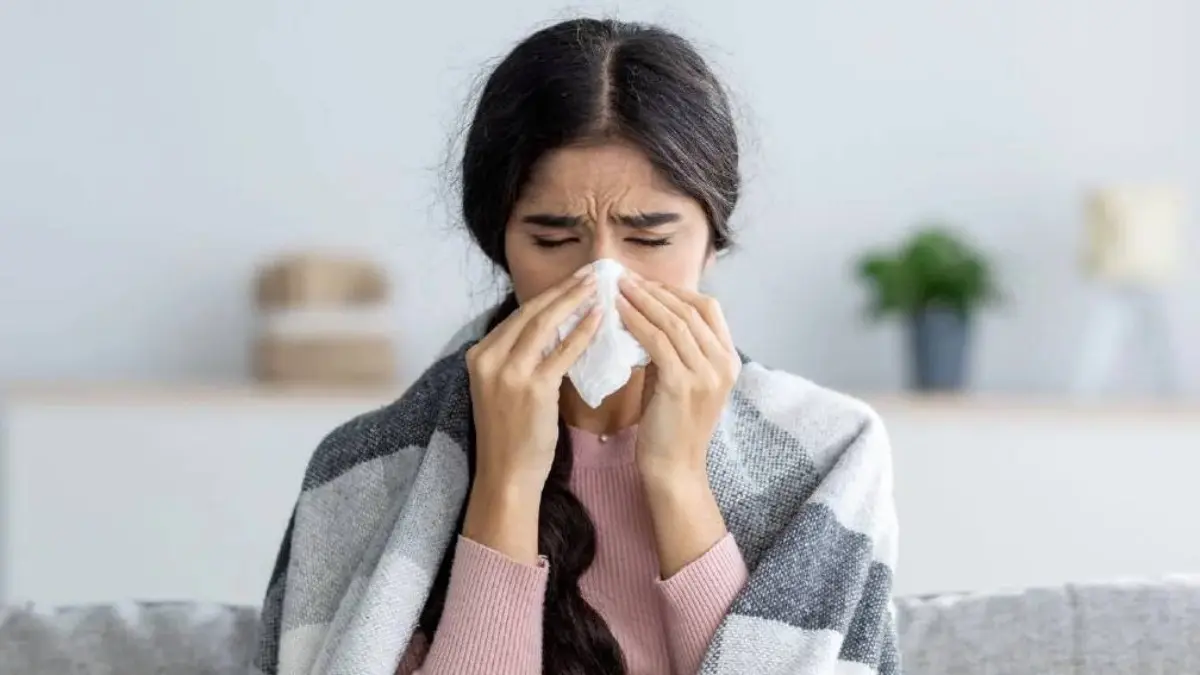
While the monsoon brings relief from the heat, it also brings several health challenges. As the rains begin, humidity rises and water accumulates in various places, creating an ideal environment for the breeding of bacteria, viruses and mosquitoes. This is why the risk of illness increases significantly during the rainy season. Children, the elderly, and those with weak immunity are the most vulnerable during this time. Diseases such as dengue, malaria, viral fever, typhoid, flu and gastrointestinal issues spread rapidly during the monsoon. However, these illnesses can largely be prevented by exercising a little caution and adopting healthy habits.
Water stagnation in and around the house during the rains is a primary cause of mosquito breeding, leading to a rapid rise in dengue and malaria cases. Dengue is characterised by high fever, headache, body aches and weakness, whereas malaria presents with high fever accompanied by chills. To prevent these, avoid letting water collect around your home, use mosquito nets and wear full-sleeved clothing.

Fluctuations in temperature and humidity during the monsoon can weaken the body's immunity, making it easier for ailments like viral fever, the common cold and the flu to spread. If you experience symptoms such as fever, cough, sore throat, or body aches, consult a doctor immediately and get plenty of rest. Maintaining good hygiene and washing your hands frequently are also crucial.
Advertisement
Also read: What Causes Painful Nighttime Leg Cramps?
Contaminated water and food during the rainy season increase the risk of diseases like typhoid, cholera and gastroenteritis. These conditions can cause symptoms such as abdominal pain, diarrhea, vomiting and high fever. Therefore, always drink clean and boiled water. Avoid consuming pre-cut fruits, street food and food that has been sitting out for a long time.
Advertisement
Contaminated food and water during the monsoon can also lead to infections like Hepatitis A and E, which increase the risk of developing jaundice. Symptoms can include yellowing of the eyes and skin, along with weakness and a loss of appetite. Consuming clean food and water is the easiest way to prevent this illness.
How to keep monsoon diseases at bay?
– Always drink filtered or boiled water, as contaminated water can lead to serious diseases.
– Wash your hands with soap before eating and after returning from outside.
– Do not allow water to stagnate in or around your home, and take measures to keep mosquitoes away.
– Avoid eating stale food or food that has been left uncovered. Always consume fresh, well-cooked meals.
– Include Vitamin C-rich fruits and green vegetables in your diet and stay properly hydrated. Adequate sleep and regular exercise are also essential.
Health experts believe that even slight negligence during the monsoon season can lead to major health issues. Therefore, it is crucial to adhere to hygiene, dietary and health-related guidelines during the rainy season. Taking timely precautions can largely prevent ailments such as dengue, malaria, viral fever, and stomach-related illnesses.