Australia Says Social Media Ban for Kids Isn't Working, Decides to Penalise Meta, Google
Australia became the first country in the world to prohibit children under 16 from creating accounts on major social media platforms, with the law coming into effect six months ago.

;'%3e%3cpath%20d='m8,15.99c4.41,0,7.99-3.58,7.99-7.99S12.41,0,8,0,0,3.59,0,8s3.58,7.99,7.99,7.99Z'%20style='stroke:%23fff;%20stroke-miterlimit:10;%20stroke-width:.02px;'/%3e%3cpath%20d='m3.08,3.37l3.82,5.11-3.84,4.15h.87l3.37-3.64,2.72,3.64h2.94l-4.04-5.39,3.58-3.87h-.86l-3.1,3.35-2.5-3.35h-2.94Zm1.27.64h1.35l5.97,7.99h-1.35l-5.97-7.99Z'%20style='fill:%23fff;'/%3e%3c/g%3e%3c/svg%3e)


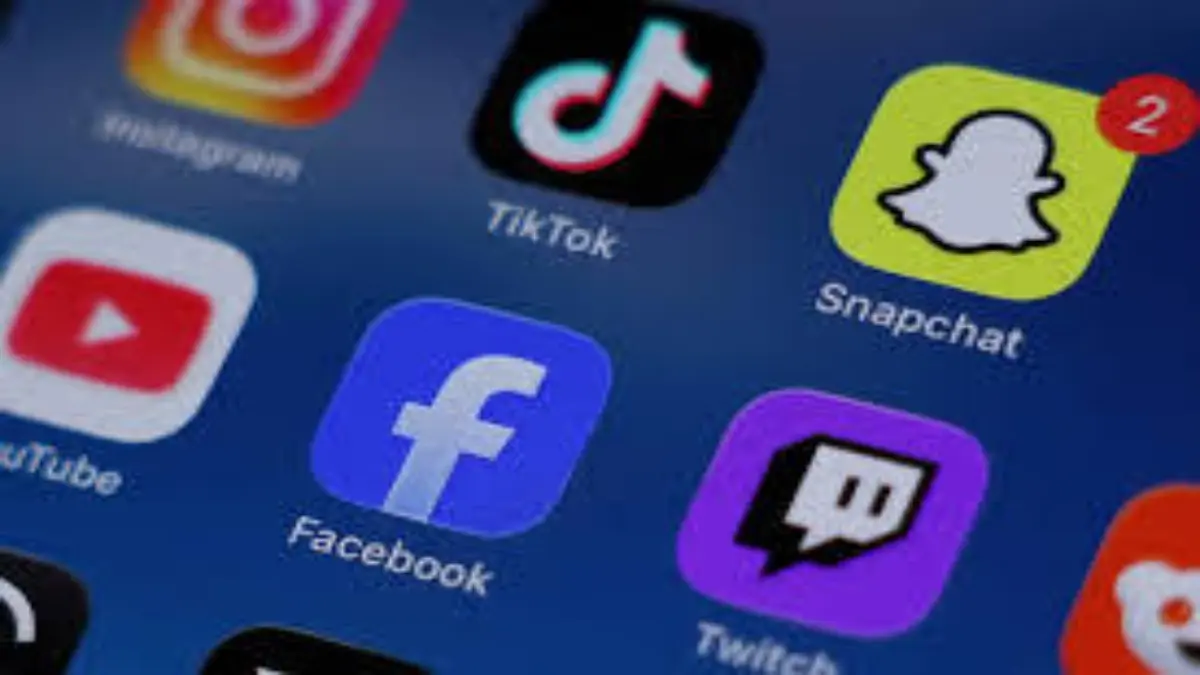
Australia is preparing to tighten its landmark social media ban for children under 16 after fresh evidence showed the law has done little to keep teenagers off platforms such as Instagram and YouTube.
Prime Minister Anthony Albanese said his government will "bullet-proof" the legislation to ensure it survives legal challenges and gives regulators stronger powers to enforce the ban. The move comes as Australia prepares legal action against some of the world's biggest technology companies for allegedly failing to comply with the rules.
Australia's Social Media Ban Isn't Delivering the Intended Results
Australia became the first country in the world to prohibit children under 16 from creating accounts on major social media platforms, with the law coming into effect six months ago. However, recent studies suggest the restrictions have had only a limited impact.
A study published in the British Medical Journal found that 85% of Australian children aged 12 to 15 were still using social media three months after the ban took effect. Researchers said many teenagers simply bypassed age verification by declaring themselves older than 16 or uploading selfies that platforms accepted as proof of age.
Advertisement
Tech Companies Could Face Massive Fines
The Australian government is now preparing legal action against five major platforms, which could face penalties of up to A$49.5 million if they are found to have systematically failed to prevent underage users from accessing their services.
Speaking to the Australian Broadcasting Corporation, Albanese said the government wants to ensure the legislation is "as strong as possible" and capable of withstanding court challenges.
Advertisement
One area expected to receive greater attention is the role of Australia's eSafety Commissioner, with the government considering additional powers for the internet regulator to enforce the law more effectively.
The Biggest Problem Is Age Verification
The latest findings expose one of the biggest weaknesses in social media regulation: verifying a user's age. According to researchers, many of the age-assurance systems deployed by technology companies remain surprisingly easy to circumvent. In many cases, children were never required to provide official proof of age, while selfie-based verification systems frequently misidentified teenagers as adults.
That has reignited debate over whether existing age verification technologies are mature enough to support nationwide social media bans.
The Law Is Also Facing Legal Challenges
Australia's approach is already being tested in court. Reddit has challenged the legislation in Australia's highest court, arguing that the restrictions violate principles of free speech. The government has said it will vigorously defend the law.
Despite the early enforcement problems, Albanese's government has made it clear that abandoning the policy is not an option. Instead, it wants to strengthen it.
Experts Say One Thing Is Changing
While usage remains high, some experts believe the legislation is beginning to influence social behaviour. Researchers studying adolescent health say parents have become far more willing to monitor their children's social media use and question when they should receive smartphones. Those conversations, they argue, were far less common before the legislation was introduced.
A Test Case for the Rest of the World
Australia's experiment is being watched closely by governments across Europe and beyond. Countries including the UK, Germany, France, and Ireland are either considering or expanding similar restrictions as concerns grow over the impact of social media on children's mental health, online safety, and wellbeing.