Vivo X300 FE Review: A Camera Enthusiast's Dream With a Few Expensive Quirks
If you're looking for a camera-focused smartphone that offers some degree of modularity and customisation, the Vivo X300 FE makes a compelling case.
- Tech News
- 9 min read

;'%3e%3cpath%20d='m8,15.99c4.41,0,7.99-3.58,7.99-7.99S12.41,0,8,0,0,3.59,0,8s3.58,7.99,7.99,7.99Z'%20style='stroke:%23fff;%20stroke-miterlimit:10;%20stroke-width:.02px;'/%3e%3cpath%20d='m3.08,3.37l3.82,5.11-3.84,4.15h.87l3.37-3.64,2.72,3.64h2.94l-4.04-5.39,3.58-3.87h-.86l-3.1,3.35-2.5-3.35h-2.94Zm1.27.64h1.35l5.97,7.99h-1.35l-5.97-7.99Z'%20style='fill:%23fff;'/%3e%3c/g%3e%3c/svg%3e)


The Vivo X300 FE is one of the strangest "Fan Edition" phones I've used in recent years.
Traditionally, FE phones exist to bring flagship experiences to a lower price point. Vivo seems to have interpreted that differently. At ₹79,999, the X300 FE is significantly more expensive than the ₹54,999 Vivo X200 FE it succeeds and, depending on the variant, can even cost more than the standard X300, priced at ₹75,999.
Vivo's explanation is straightforward. The X300 FE borrows the same camera mechanism used in the X300 Ultra and supports the company's optional telephoto extender lens system. The extender isn't bundled with the phone and is sold separately, but Vivo believes the support for it, combined with increased component costs, helps justify the price increase.

As a buyer, though, I don't particularly care about Vivo's manufacturing economics. What matters is whether the phone justifies ₹79,999.
Advertisement
After using it for several weeks, I think the answer depends entirely on how much you value photography. If you're looking for a camera-focused smartphone that offers some degree of modularity and customisation, the X300 FE makes a compelling case for itself. If you're looking for the most complete flagship experience at this price, things become less straightforward.
Interestingly, Vivo isn't alone in exploring this category. Smartphone brands suddenly seem obsessed with camera-centric phones that sit a notch below their true flagships. Xiaomi is even taking a direct jab at Vivo's telephoto extender approach with its upcoming Xiaomi 17T, which the company claims can deliver 5x optical zoom without requiring an external lens attachment. It's an interesting battle because smartphone makers increasingly seem convinced that cameras, not AI or processors, will be the next major differentiator.
Advertisement
What's Good
A refreshing design that stands apart
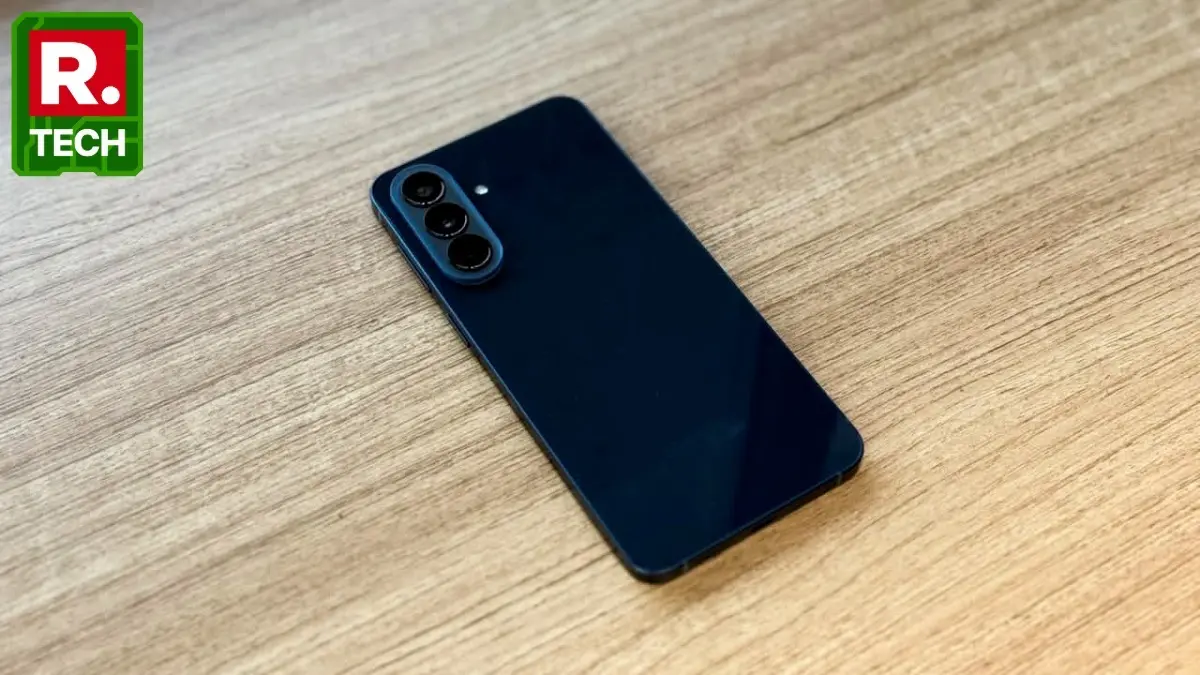
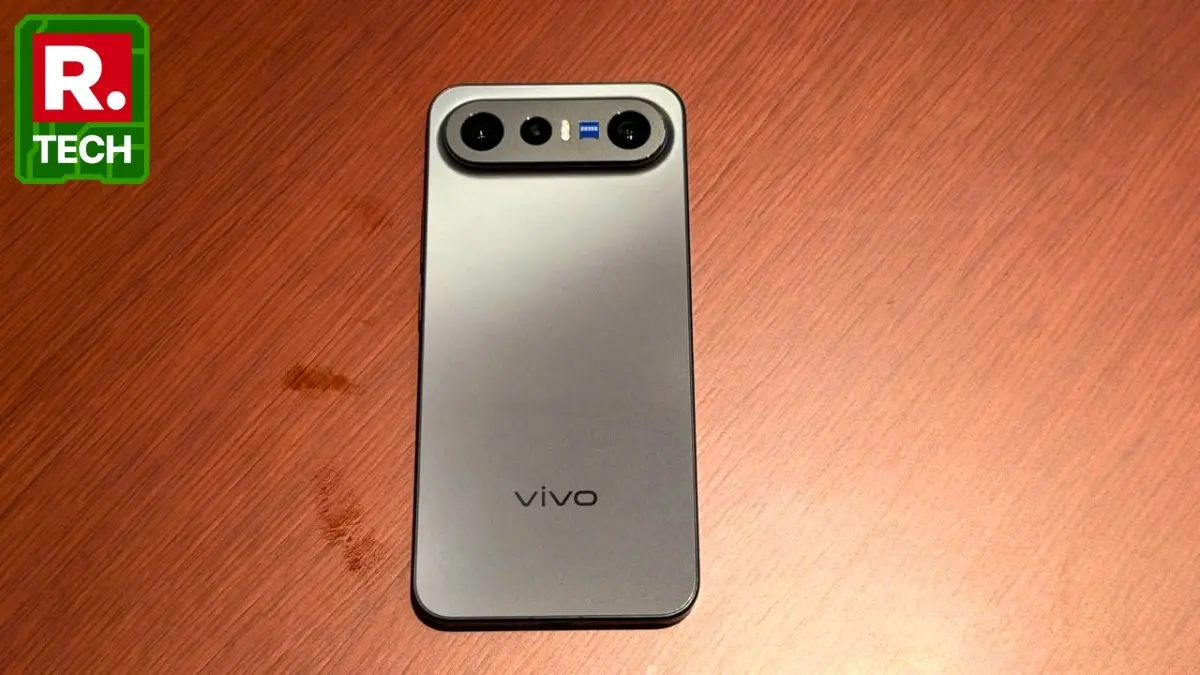
The X300 FE looks nothing like the rest of the X300 family. Instead, it resembles a distant cousin of the Pixel 10 and the iPhone Air. The pill-shaped camera island immediately gives that away. Thankfully, Vivo hasn't copied either device outright. The final result feels distinct enough to stand on its own.
The Noir Black colour I reviewed is particularly tasteful. It doesn't scream for attention. It simply looks expensive. The entire rear panel is made of glass and merges seamlessly into the phone's 3D glass construction. Vivo has done a commendable job with the finish. Minor scratches and smudges can often be wiped away with a finger swipe, making the phone surprisingly resilient during everyday use.
In fact, this became one of the few phones I genuinely wanted to use without a case because it simply looked too good to cover up. Ironically, that's also exactly why I ended up using the bundled case. Glass remains glass, and gravity continues to be undefeated.
At 191g, the X300 FE isn't particularly light, but it remains comfortable to hold for long periods. The compact dimensions make one-handed usage easy, whether you're replying to messages, editing photos, or browsing social media.
One of the best displays in the segment
The 6.31-inch 1.5K AMOLED display is excellent. Colours are vibrant, blacks are deep, and brightness levels are high enough to keep text readable even under harsh sunlight. Whether I was navigating through maps outdoors, reading articles, or editing photos, visibility was never an issue.
The adaptive 120Hz refresh rate keeps animations and scrolling smooth, although Vivo's default implementation prioritises battery life over maximum fluidity. Users who prefer consistently smooth animations can manually adjust refresh rate settings.
The display also offers multiple colour profiles and an effective Eye Care mode for late-night doomscrolling sessions that somehow begin with Instagram and end with you watching videos about abandoned Soviet infrastructure at 2 AM.
HDR10+ support makes streaming content look fantastic. Movies and TV shows on Netflix, Prime Video, and YouTube benefit from excellent contrast and vibrant colours. Which is exactly why the absence of Dolby Vision feels strange. At ₹79,999, Dolby Vision should have been present.
Strong performance with one important caveat
The Snapdragon 8 Gen 5 is one of the fastest mobile chipsets available today. Everyday performance is excellent. Apps launch instantly, multitasking feels effortless, and switching between workloads never feels sluggish. Vivo has also included a large vapour chamber cooling system to manage heat during demanding tasks.
Gaming performance is impressive as well. I played Genshin Impact and Call of Duty: Mobile extensively, and both games ran smoothly at high settings. Frame rates remained stable and the phone stayed responsive throughout most gaming sessions. Push graphics settings to their absolute maximum, however, and occasional frame drops start appearing. The visual experience is also slightly limited by the smaller display size. Games remain enjoyable, but they don't feel as immersive as they do on larger phones.
That said, I don't think gamers are the target audience here. The bigger issue is that creators may end up more frustrated than gamers.
Recording 4K and especially 8K videos causes the phone to heat up surprisingly quickly, particularly outdoors in North Indian weather. Extended video editing sessions in apps like VN also expose thermal limitations that shouldn't really exist on a phone marketed so heavily around cameras.
The telephoto camera is the reason to buy this phone
The camera system is the headline feature.
The X300 FE includes:
- A 50MP primary camera
- A 50MP telephoto camera
- An 8MP ultrawide camera
- A 50MP selfie camera
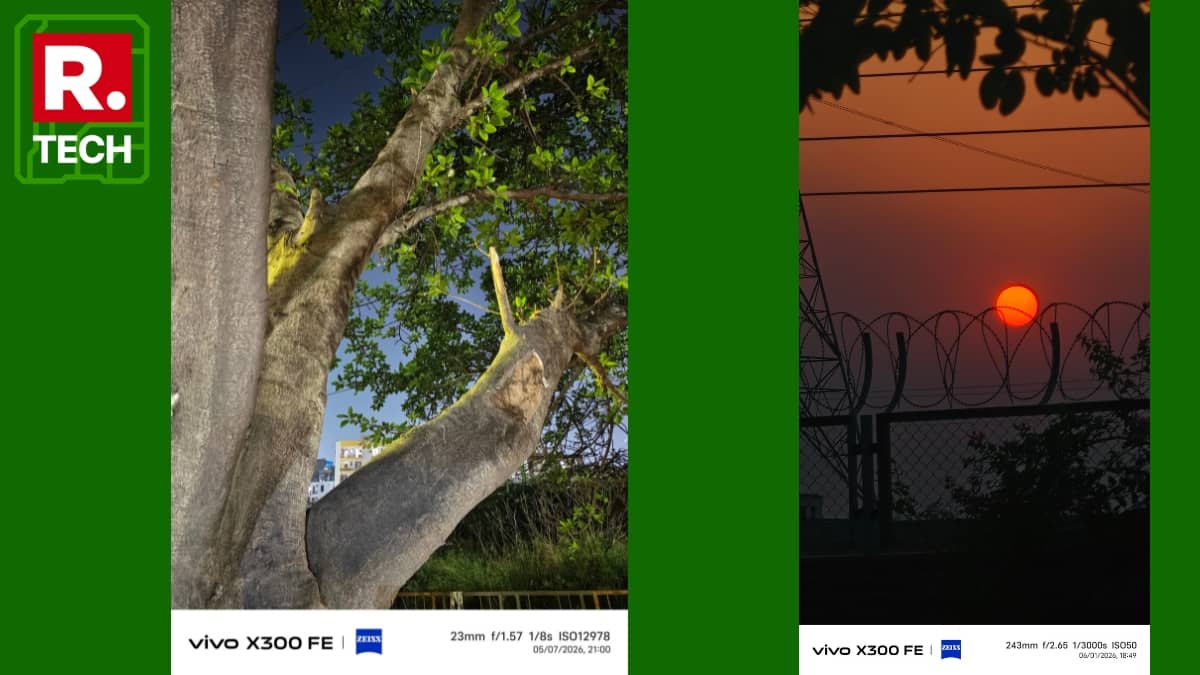
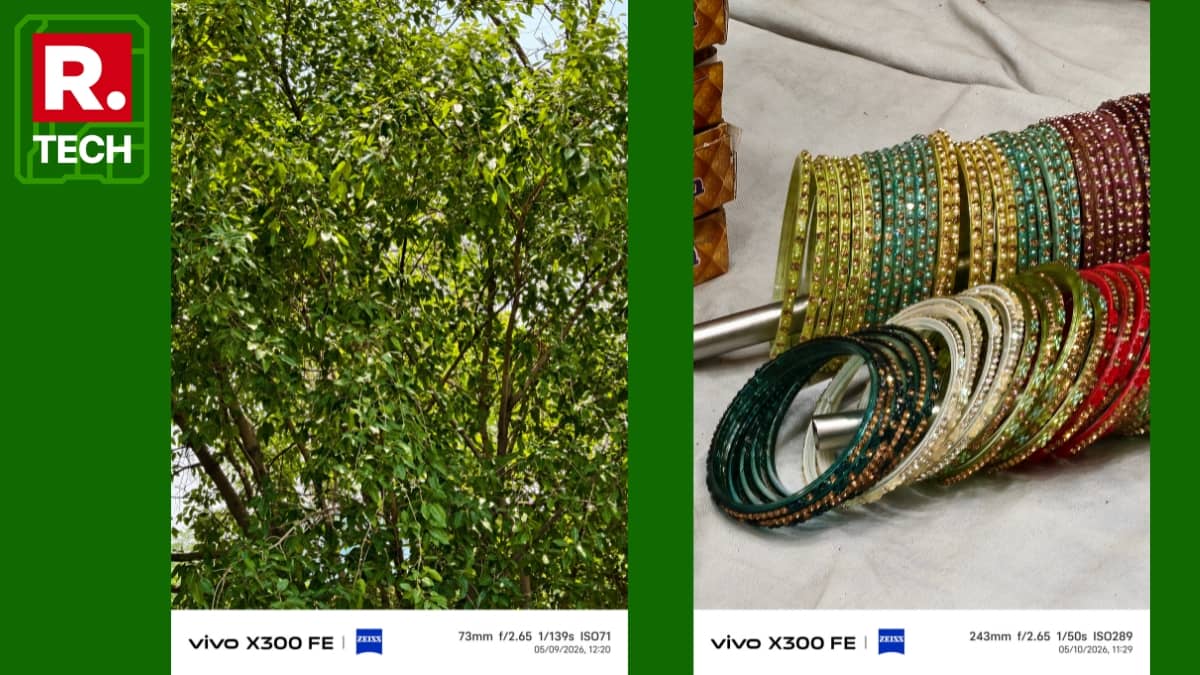
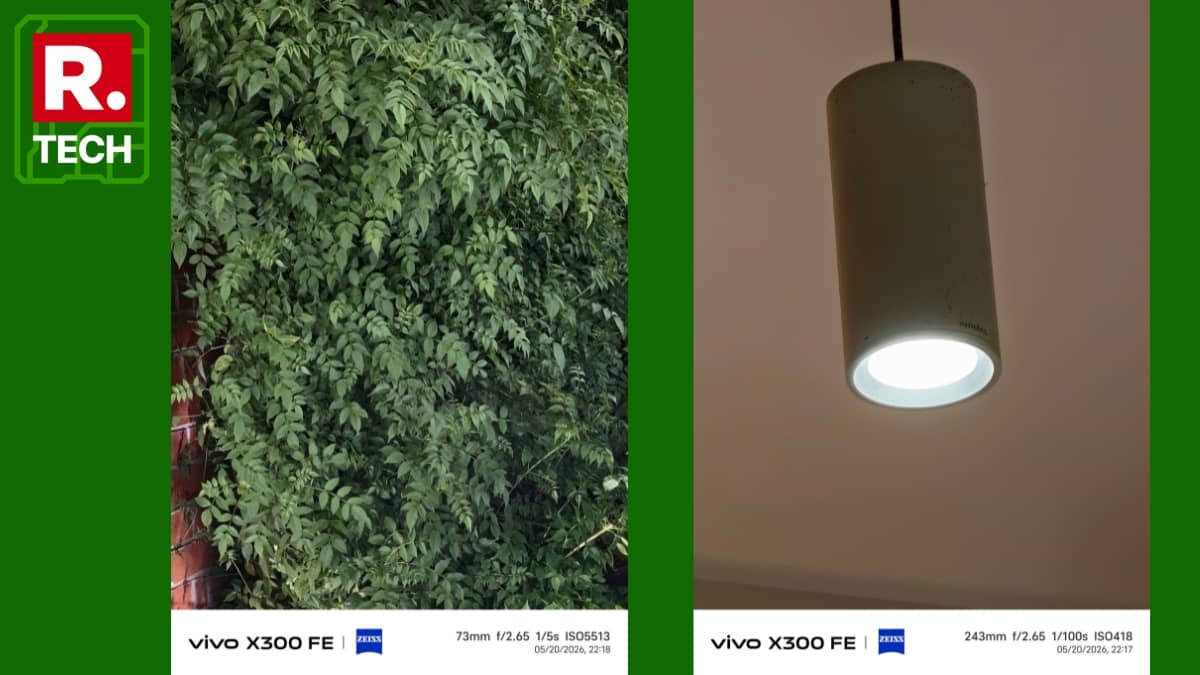
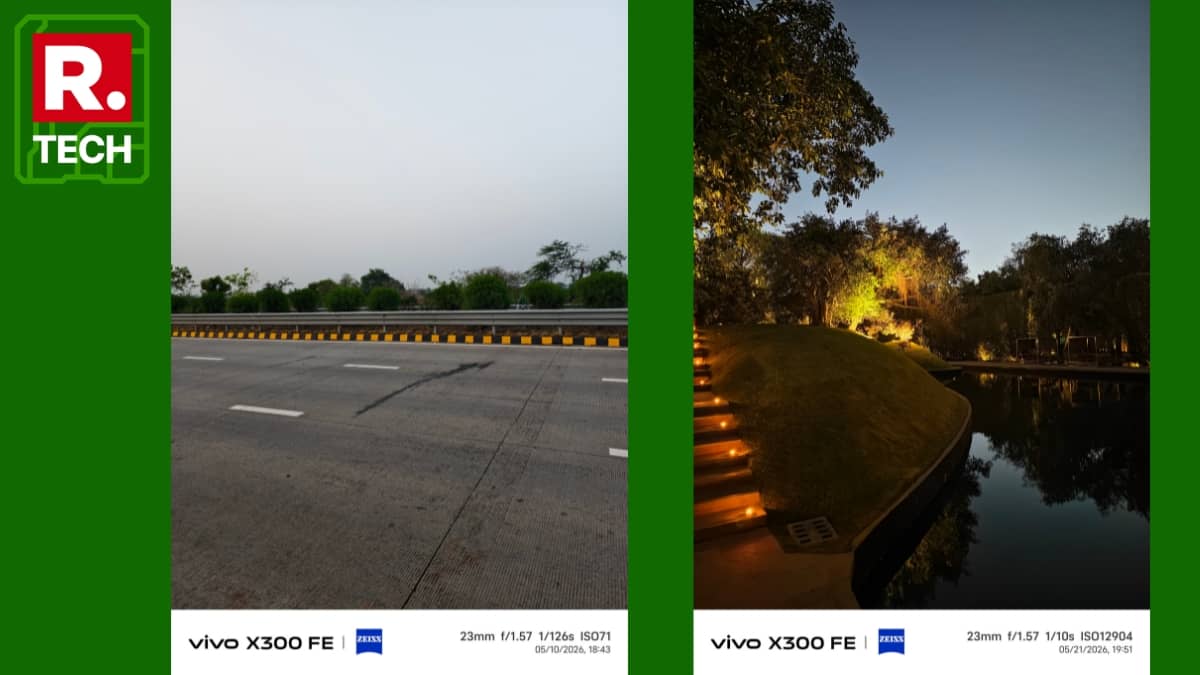
The primary camera performs very well. Autofocus is fast, colours are mostly accurate, and dynamic range is generally strong. Daylight photos look detailed and natural without excessive sharpening.
Low-light photos are also appealing because Vivo avoids aggressive processing. Images can occasionally appear soft, but they rarely look artificial.
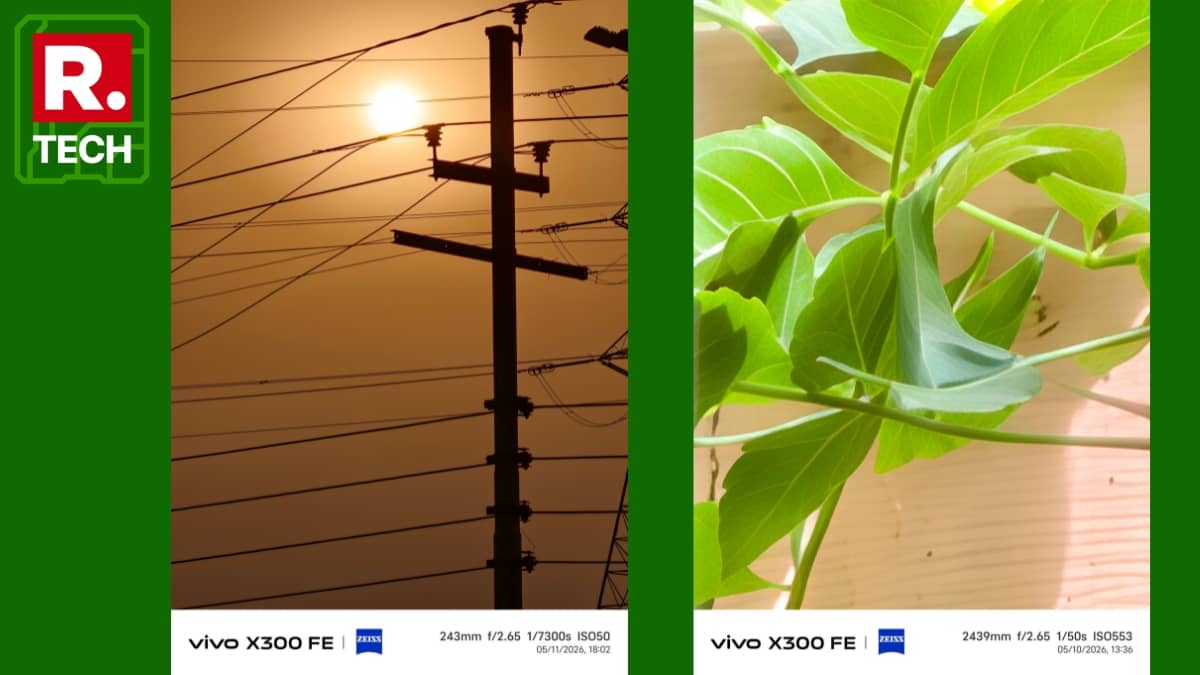
Sunset photography is particularly enjoyable. The phone captures colours beautifully, although some rivals do a better job balancing soft and harsh light sources during golden hour.
The ultrawide camera is surprisingly competent in daylight. Landscape shots retain good levels of detail without falling apart toward the edges of the frame. Night-time performance, however, drops significantly and ends up feeling average.
The real star is the telephoto camera. This 50MP sensor with 3x optical zoom consistently produced my favourite images during testing. Portraits look exceptional, with natural background separation and colour reproduction that often surpasses the primary camera.
In some situations, portrait shots genuinely looked DSLR-like. Hair separation is accurate, skin tones remain pleasant, and Vivo's portrait processing avoids the exaggerated artificial blur many competitors rely on.
The various portrait filters also allow for a surprising amount of creativity without turning images into overprocessed social-media caricatures.
The telephoto camera is the reason to buy this phone. Not the primary camera. Not the ultrawide. Certainly not the selfie camera.
Unfortunately, Vivo did not send me the optional telephoto extender lens, so I couldn't evaluate it.
What I can say is that once you move beyond the native optical zoom range, image quality deteriorates quickly. AI processing becomes increasingly aggressive, and some photos start looking more generated than captured. If the extender solves that problem, it could genuinely justify its existence. If it doesn't, Xiaomi's criticism suddenly starts looking a lot more valid.
Battery life is excellent
The 6500mAh silicon-carbon battery is enormous by flagship standards. Battery anxiety simply wasn't part of my experience with the X300 FE. Even on days involving photography, gaming, navigation, social media, and video streaming, I consistently ended the day with enough battery left to comfortably reach the next morning.
The bundled 90W charger takes roughly an hour to refill the battery, while wireless charging support provides additional convenience for users who prefer cleaner desk setups.
What's Bad
OriginOS 6 is good, but still not among Android's best
OriginOS 6 is significantly better than Funtouch OS. The interface is fluid, responsive, and heavily inspired by iOS 26. Surprisingly, I don't necessarily see that as a negative. Everything works reliably, and Vivo's AI tools are genuinely useful rather than existing purely for marketing slides.
I particularly liked the Albums app integration with Google Photos. Having local and cloud-backed images appear in one place makes photo management significantly easier.
However, the software still suffers from unnecessary bloat. At ₹79,999, I don't understand why Vivo thinks pre-installed applications are acceptable. Most of them can be removed, but the company's V-Store cannot. The constant notification spam from V-Store quickly became irritating and feels completely out of place on a premium smartphone.
Samsung, OnePlus, and Xiaomi have largely moved past this behaviour. Vivo should too.
The selfie camera is surprisingly average
The 50MP selfie camera sounds impressive on paper. In reality, it's merely good.
Photos are detailed enough for social media, but Vivo's processing often smooths skin even when beauty enhancements are disabled. Edge detection in portrait mode is average at best, particularly considering the price.
Low-light selfies are where things really fall apart. For a phone built around cameras, I expected significantly better front-camera performance.
Video recording doesn't match the photography experience
This is perhaps the most disappointing aspect of the X300 FE. The phone supports 8K video recording, but thermal limitations prevent you from using that capability comfortably for long periods.
4K recording becomes the practical sweet spot, but even then, white balance can drift unpredictably. Stabilisation is good, colours are attractive, and contrast remains pleasing, but consistency isn't always there.
Interestingly, the telephoto camera often produces better-looking videos than the primary sensor.
The ultrawide camera, meanwhile, doesn't support 4K recording at all. Its 1080p footage feels difficult to recommend for serious content creation, especially on a phone that costs ₹79,999.
Verdict
Rating: 3.5/5
The Vivo X300 FE feels like a phone designed by camera enthusiasts.
Its strengths are obvious. The telephoto camera is outstanding, the display is excellent, the battery life is phenomenal, and performance remains comfortably flagship-grade for most users.
At the same time, the phone's weaknesses become more noticeable because of its price. The software still contains unnecessary bloat, video recording isn't as polished as it should be, thermal management needs work, and the selfie camera fails to impress. Most importantly, the X300 FE feels heavily dependent on the promise of its camera ecosystem, including the optional telephoto extender that many buyers may never purchase.
If photography, especially portrait photography, sits at the top of your priority list, the Vivo X300 FE is easy to recommend.
If you're looking for the most complete flagship experience available at ₹79,999, you may find yourself wondering whether Vivo spent so much time perfecting the camera that it forgot to polish everything around it.