
Researchers in Denmark find new way to cure infections resistant to antibiotics
Scientists in Denmark have devised a new way that would eradicate the need to rely on antibiotics to cure "golden staph" infections on the skin.
- World News
- 2 min read


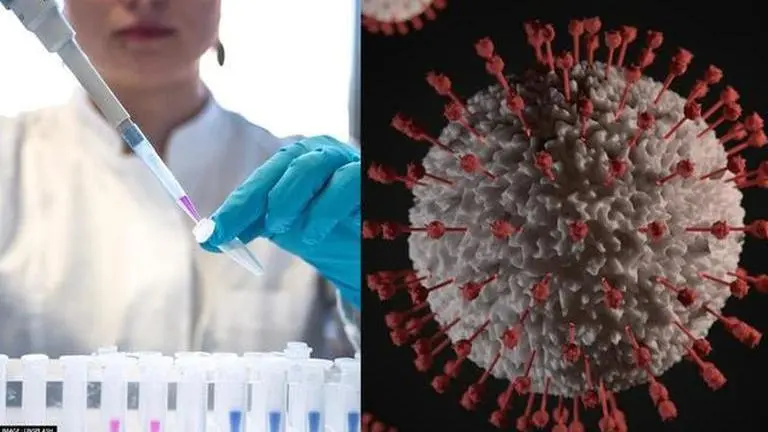
Scientists in Denmark have devised a new way that would eradicate the need to rely on antibiotics to cure "golden staph" infections on the skin that affect cancer patients and threaten those ailing in hospitals. According to Science Alert, researchers from the University of Copenhagen used an artificial version of an enzyme that is found in bacteriophages (viruses that infect bacteria).
They then used the version to eliminate Staphylococcus aureus, known as golden staph, in biopsy samples extracted from people diagnosed with skin lymphoma. "To people who are severely ill with skin lymphoma, staphylococci can be a huge, sometimes insoluble problem, as many are infected with a type of Staphylococcus aureus that is resistant to antibiotics," said immunologist Niels Ødum of the University of Copenhagen.
"That is why we are careful not to give antibiotics to everyone, because we do not want to have to deal with more resistant bacteria. Therefore, it is important that we find new ways of treating – and not the least to prevent – these infections," he added.
What is S aureus?
S aureus is commonly found on human skin and nasal tracts, and do not pose any major threat. However, this does not mean that it is harmless. Being an opportunistic pathogen, it can cause infections in people with low immunity. In its least aggressive form, it can cause skin infections like boils. However, severe cases can experiences illnesses like pneumonia and sepsis.
Advertisement
Elucidating the new research, lead author and University of Copenhagen immunology researcher Emil Pallesen said: "The great thing about this enzyme is that it has been designed to penetrate the wall of Staphylococcus aureus. This enables it to target and kill the harmful staphylococcus and leave harmless skin bacteria unharmed".